

Introduction to the Equipment and Structural Principles of the Beer Brewery Solids Pneumatic Conveyi
HeadPowder, a leading engineering firm based in Shandong, China, specializes in advanced pneumatic conveying solutions tailored for the beer brewing industry. The company's expertise lies in designing and manufacturing efficient systems that handle beer brewery solids, such as spent grain and other byproducts, with precision and reliability.
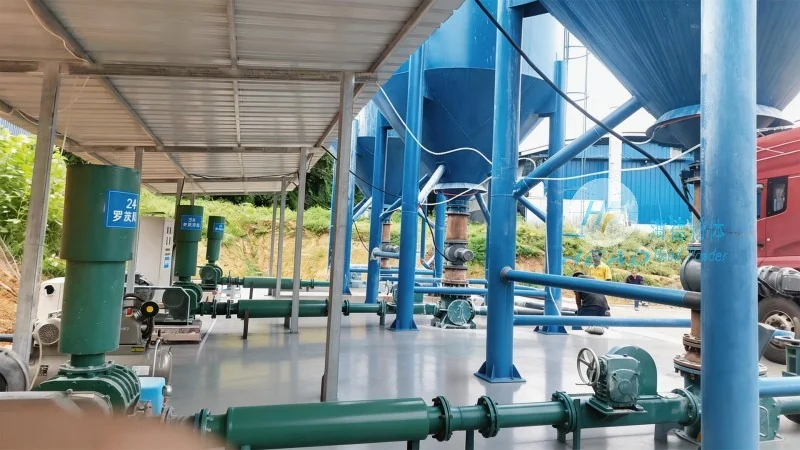
Overview of the Beer Brewery Solids Pneumatic Conveying System
The beer brewery solids pneumatic conveying system is a critical component in modern brewing operations, enabling the safe and efficient transport of solid waste materials from production areas to disposal or recycling facilities. This system replaces traditional bulk handling methods, offering significant advantages in terms of hygiene, speed, and operational flexibility. The equipment is engineered to meet the stringent requirements of the brewing industry, ensuring minimal contamination and optimal performance under various process conditions.
Key Components and Structural Design
The system comprises several essential components, each playing a vital role in the overall operation. The main parts include the hopper for material storage, the air compressor or blower that generates the conveying air, the pipeline network for transporting the solids, and the control system that regulates the flow. The structural design emphasizes durability and ease of maintenance, with materials selected to withstand the corrosive and abrasive nature of brewery waste. For instance, the hopper is typically made from stainless steel to prevent rust and maintain hygiene, while the pipeline is equipped with special fittings to handle the solid-liquid mixture without clogging.
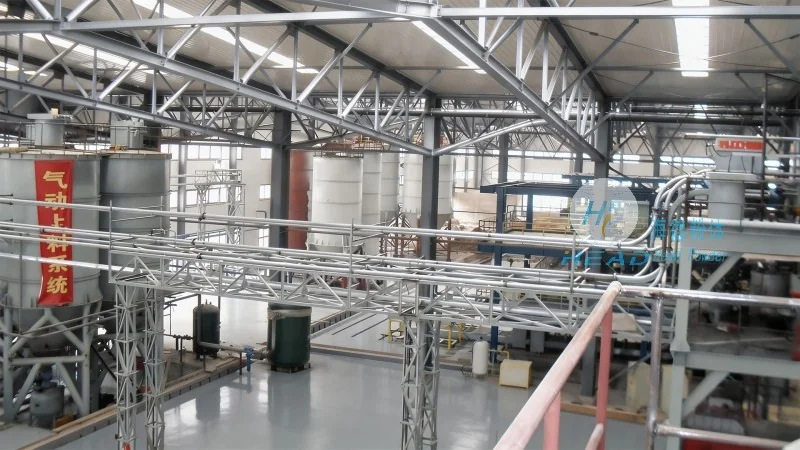
Working Principle of the Pneumatic Conveying Process
The operation of the beer brewery solids pneumatic conveying system is based on the principle of air-assisted transport. When the system is activated, the air compressor generates a high-pressure air stream that is introduced into the pipeline. Simultaneously, the solid material is fed into the hopper and then into the pipeline via a feeder. The air stream lifts and propels the solids through the pipeline, ensuring a continuous and controlled flow. The velocity of the air is carefully controlled to prevent material degradation or damage, while maintaining sufficient force to overcome pipeline resistance and elevation changes. The system can operate in both positive and negative pressure modes, depending on the specific application and layout of the brewery.
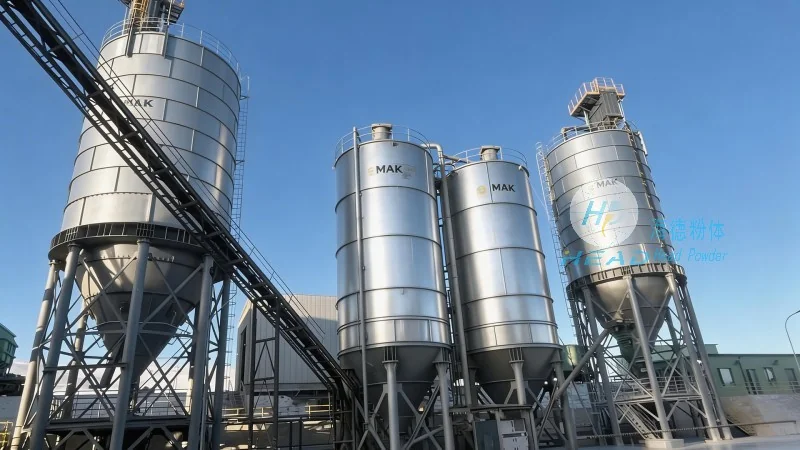
Advantages and Benefits for Brewing Operations
Implementing the beer brewery solids pneumatic conveying system brings numerous benefits to breweries. Firstly, it enhances operational efficiency by reducing the time and labor required for manual handling of waste materials. The automated process minimizes downtime and improves overall productivity. Secondly, it improves hygiene and sanitation, as the enclosed system prevents exposure to airborne particles and contaminants, which is crucial for maintaining food safety standards. Thirdly, the system offers cost savings by reducing the need for additional storage facilities and minimizing waste disposal costs. Additionally, the flexibility of the system allows for easy integration with existing brewery infrastructure, adapting to different production scales and layouts.
Application Scenarios and Customization Options
The beer brewery solids pneumatic conveying system is versatile and can be customized to suit various brewery sizes and production capacities. For small to medium-sized breweries, a compact system with a lower air volume and simpler pipeline layout is suitable. In contrast, large-scale breweries may require a more extensive network with higher air pressure and larger hoppers to handle higher volumes of waste. The system can also be adapted for different types of solids, such as spent grain, yeast, or other byproducts, by adjusting the feeder and pipeline design. HeadPowder provides tailored solutions, working closely with clients to understand their specific needs and design a system that maximizes efficiency and performance.