Introduction to Perlite Pneumatic Conveying Systems: Structure and Working Principles
Release time:2026-09-21 20:01:36
name of the company:Shandong Headpowder Engineering Co., Ltd.
telephone:156-6277-7102
contacts:Zhang manager
Perlite, a lightweight volcanic glass, is widely used in construction, horticulture, and industrial applications due to its excellent thermal insulation properties and lightweight characteristics. The efficient handling and transportation of perlite particles often rely on pneumatic conveying systems, which offer a flexible and effective solution for moving bulk materials over short to medium distances. This article provides an overview of perlite pneumatic conveying systems, detailing their structural components and the underlying principles of operation.
Key Components of a Perlite Pneumatic Conveying System
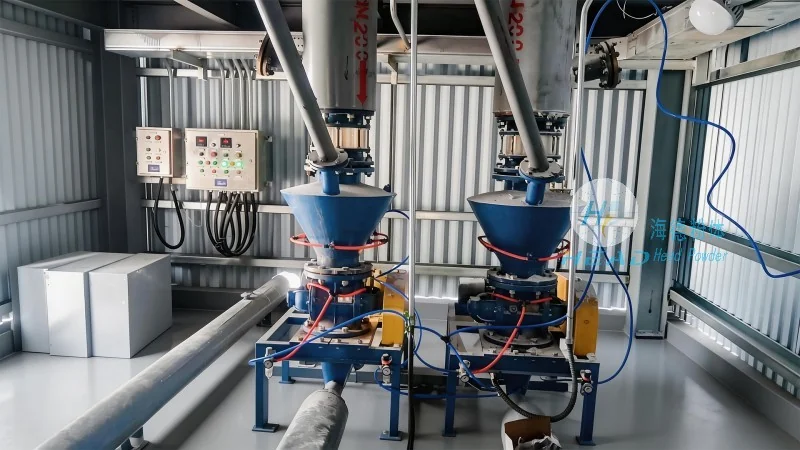
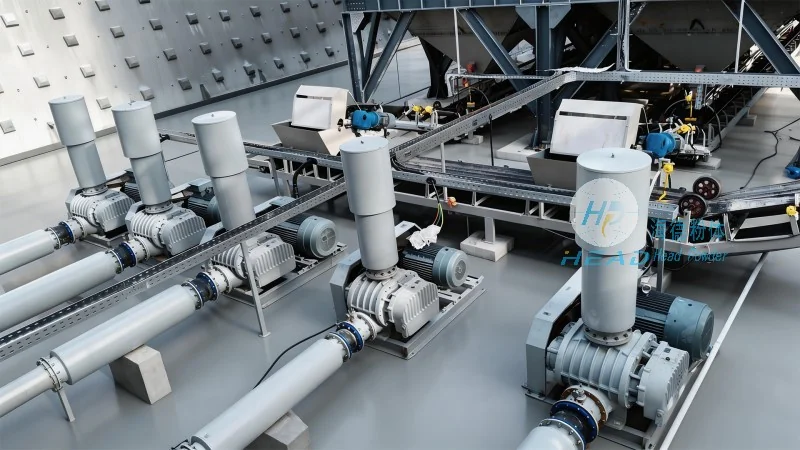
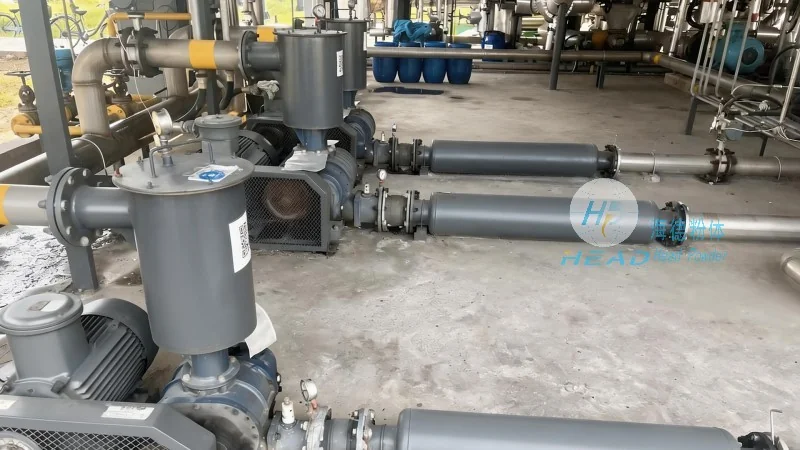
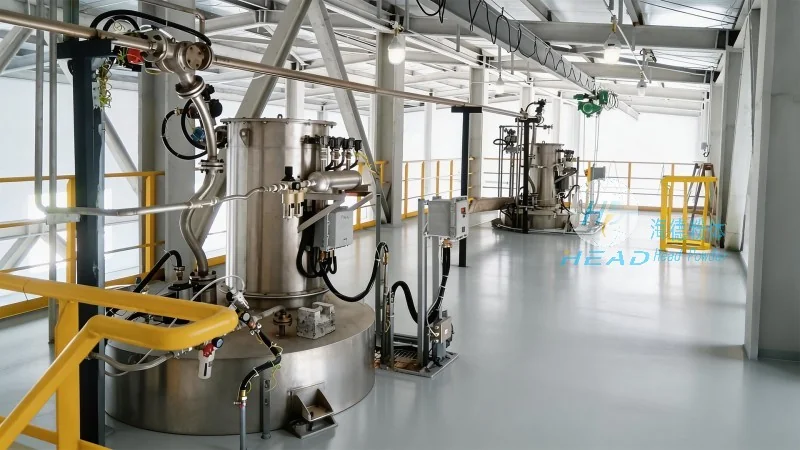
A typical perlite pneumatic conveying system consists of several essential components that work in concert to transport the material. The core elements include a material hopper, a rotary airlock feeder, a conveying pipeline, a pressure vessel or receiver, and a dust collector. Each component plays a critical role in ensuring the system operates efficiently and safely.
The material hopper is the initial storage unit where perlite is stored before being fed into the system. It is designed to hold a sufficient quantity of material to maintain continuous operation without frequent refilling. The hopper is equipped with a lid and a discharge port that connects to the rotary airlock feeder. The rotary airlock feeder acts as a controlled gate, regulating the flow of perlite from the hopper into the conveying pipeline. This component prevents backflow and ensures a steady, controlled feed rate, which is crucial for maintaining consistent system performance.




