HeadPowder, a leading engineering firm based in Shandong, China, specializes in the design and implementation of advanced pneumatic conveying systems tailored for the gypsum industry. This overview provides a comprehensive look at the gypsum pneumatic conveying system, focusing on its structural design and operational principles to help clients understand its functionality and benefits.
Gypsum Pneumatic Conveying System: An Overview
The gypsum pneumatic conveying system is a sophisticated technology used to transport gypsum powder efficiently and safely. As a key component in the gypsum processing industry, this system plays a crucial role in enhancing production efficiency and reducing operational costs. The system is engineered to handle the unique characteristics of gypsum, such as its fine particle size and moisture content, ensuring reliable and consistent material transport.
Core Components and Structural Design
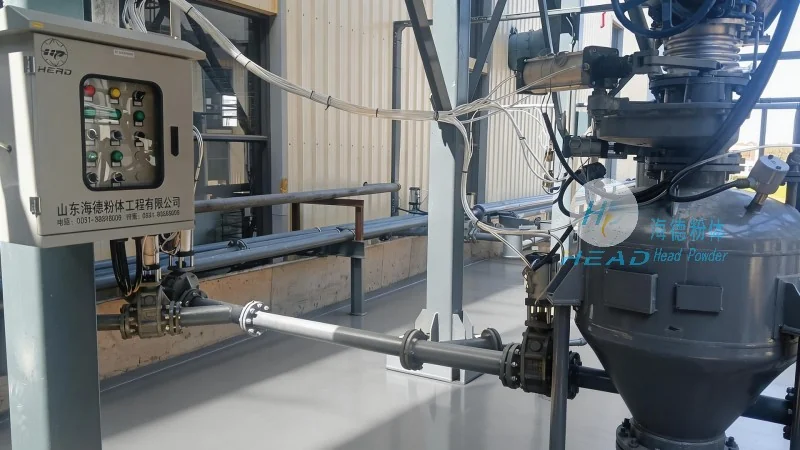
The gypsum pneumatic conveying system consists of several critical components that work in tandem to achieve effective material handling. The main parts include the hopper, feeder, air compressor, conveying line, and receiver. Each component is designed with precision to meet the specific demands of gypsum transport.
The hopper serves as the initial storage and feeding unit, where gypsum is loaded and prepared for transport. It is typically equipped with a discharge valve or feeder mechanism to control the flow rate of the material. The feeder, often a rotary or vibratory type, ensures a steady and controlled feed of gypsum into the conveying line, preventing blockages and maintaining consistent flow.
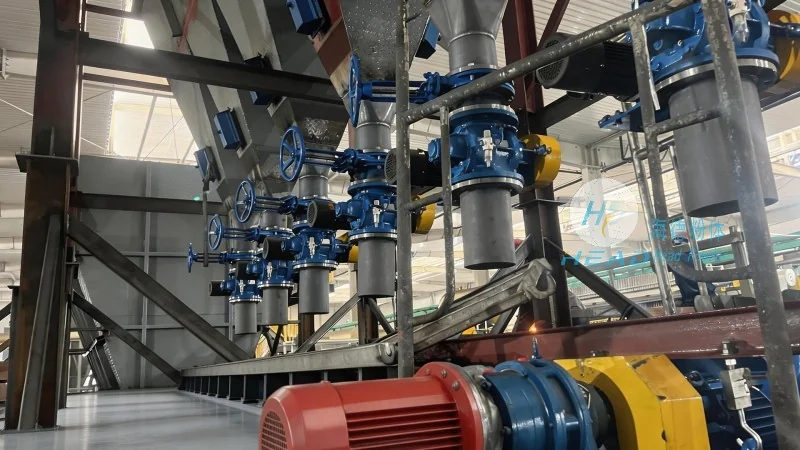
The air compressor is the heart of the system, generating the necessary air pressure to move the gypsum particles through the conveying line. It is selected based on the system's capacity and the specific requirements of the gypsum being transported. The conveying line, usually made of stainless steel or other corrosion-resistant materials, is designed to withstand the abrasive nature of gypsum and maintain airtight integrity to prevent material loss and contamination.
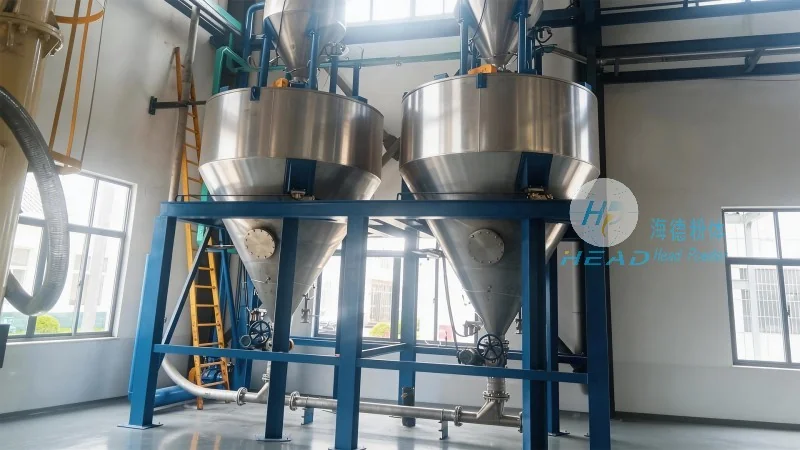
The receiver, located at the destination point, collects the conveyed gypsum and stores it until it is ready for further processing. It is equipped with a discharge valve to regulate the release of the material. The entire system is integrated with control panels and sensors to monitor pressure, flow, and other critical parameters, ensuring optimal performance and safety.
Operational Principle of the Gypsum Pneumatic Conveying System
The operational principle of the gypsum pneumatic conveying system is based on the use of compressed air to transport the material. The process begins when the feeder introduces gypsum particles into the conveying line. The air compressor then supplies high-pressure air, which creates a flow that lifts and propels the gypsum particles through the line. The air and material mixture travels at a high velocity, ensuring efficient transport over long distances.
As the mixture moves through the conveying line, the air and gypsum particles separate at the receiver. The air is typically filtered and recycled back to the compressor, while the gypsum is collected in the receiver. This separation process is crucial for maintaining the purity of the material and preventing dust contamination. The system's design minimizes the risk of material degradation and ensures that the gypsum remains in its original form throughout the transport process.
Advantages and Applications
The gypsum pneumatic conveying system offers several advantages over traditional material handling methods. It provides a dust-free and hygienic transport solution, which is particularly important in industries where product quality and safety are paramount. The system also reduces labor costs by automating the material transport process and minimizes the risk of material spillage or contamination.
Applications of the gypsum pneumatic conveying system include the transportation of gypsum from storage silos to processing plants, as well as the movement of finished gypsum products to packaging or storage areas. It is widely used in the production of gypsum boards, plaster, and other gypsum-based materials, where consistent and efficient material handling is essential for maintaining production quality and meeting market demands.
Conclusion
HeadPowder's gypsum pneumatic conveying system exemplifies advanced engineering and design, providing reliable and efficient material transport solutions for the gypsum industry. By understanding the structural components and operational principles, clients can appreciate the benefits of this technology and how it contributes to improved productivity and operational efficiency. With a focus on quality and innovation, HeadPowder continues to deliver cutting-edge solutions tailored to the specific needs of its clients in Shandong and beyond.




