

Operation Process and Working Principle of Calcite Material Handling Equipment
Calcite, a widely used mineral in various industrial applications, requires efficient and reliable equipment for its transportation and handling. The calcite material handling equipment developed by Shandong HeadPowder Engineering Co., Ltd. (hereinafter referred to as HeadPowder) is designed to meet the demanding needs of modern calcite processing industries. This equipment ensures smooth material flow, enhances operational efficiency, and reduces downtime, making it an essential component in calcite production lines.
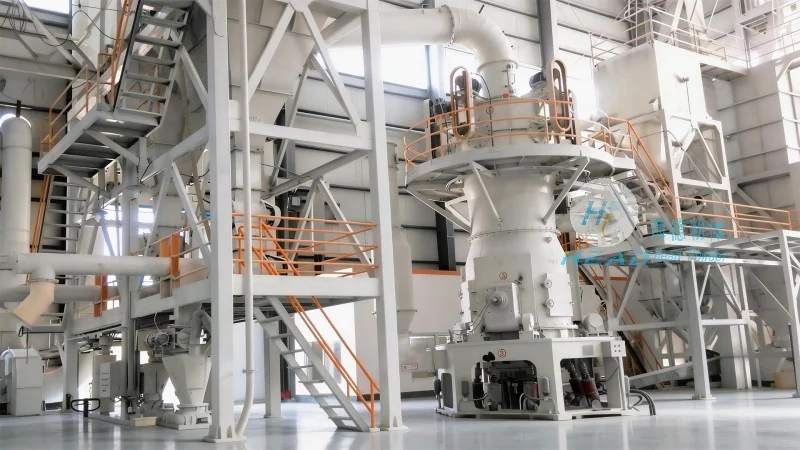
Overview of the Equipment's Operational Process
The operation process of the calcite material handling equipment involves several key stages, each optimized to ensure seamless material transfer from the source to the destination. The process begins with the loading of calcite material into the feeding hopper. The hopper is equipped with a robust design to handle the bulk nature of calcite, preventing material spillage and ensuring uniform feeding. Once the material is loaded, the feeder mechanism, typically a screw or belt feeder, gradually releases the calcite into the conveyor system. The conveyor, which can be a belt conveyor, chain conveyor, or pneumatic conveyor depending on the specific application, transports the calcite through the processing line. The conveyor speed is precisely controlled to match the production rate, maintaining a consistent flow rate. At the discharge end, the calcite is deposited into a storage bin or directly into the next processing unit. The entire process is monitored by an integrated control system that adjusts parameters such as speed, pressure, and flow rate in real-time to maintain optimal performance.
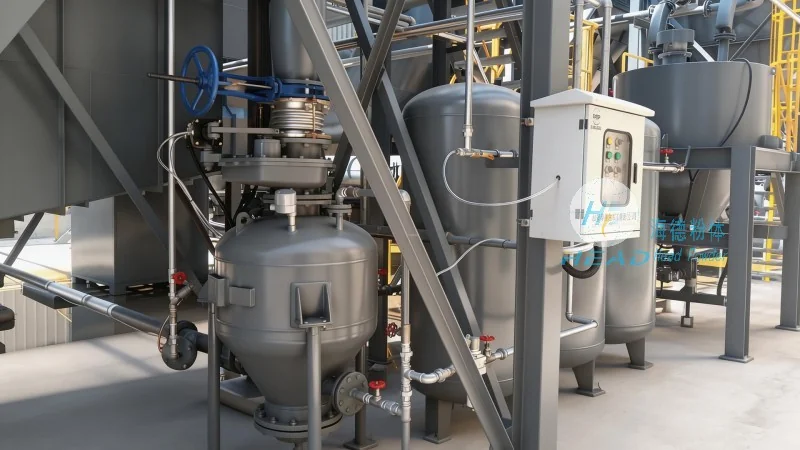
Detailed Working Principle of the Equipment
The working principle of the calcite material handling equipment is based on mechanical and hydraulic systems that work in tandem to achieve efficient material handling. The feeding mechanism, often a screw feeder, uses rotating screws to push the calcite material forward. The screw's pitch and speed determine the flow rate, allowing for precise control over the amount of material being transported. The conveyor system, whether a belt or chain type, relies on motor-driven rollers or chains to move the material along the path. The belt conveyor, for instance, has a flexible belt that carries the calcite, with idlers supporting the belt and ensuring proper alignment. The chain conveyor uses metal chains with attached buckets or plates to lift and move the material vertically or at an incline. The control system, which may include sensors and programmable logic controllers (PLCs), continuously monitors the system's status. Sensors detect the level of material in the hopper and the speed of the conveyor, sending signals to the PLC to adjust the feeder speed or conveyor speed as needed. This closed-loop control ensures that the material handling process remains stable and efficient, minimizing the risk of overloading or underloading.
Key Components and Their Functions
The calcite material handling equipment consists of several critical components, each playing a vital role in the overall operation. The feeding hopper is the first component, designed to store and feed the calcite material into the system. It is typically made of durable materials like stainless steel or high-density polyethylene to withstand the abrasive nature of calcite. The feeder mechanism, as mentioned earlier, can be a screw feeder or a belt feeder. The screw feeder is ideal for fine or powdery calcite, while the belt feeder is suitable for larger chunks. The conveyor system is the core of the equipment, responsible for transporting the calcite over long distances. The drive system, which includes motors and gearboxes, provides the necessary power to move the conveyor. The control panel houses the PLC and other electronic components, allowing operators to monitor and adjust the system's parameters. The safety features, such as emergency stop buttons and overload protection, ensure the safety of the operators and the equipment. The discharge system, which can be a bin or a chute, collects the transported calcite and directs it to the next stage of processing.
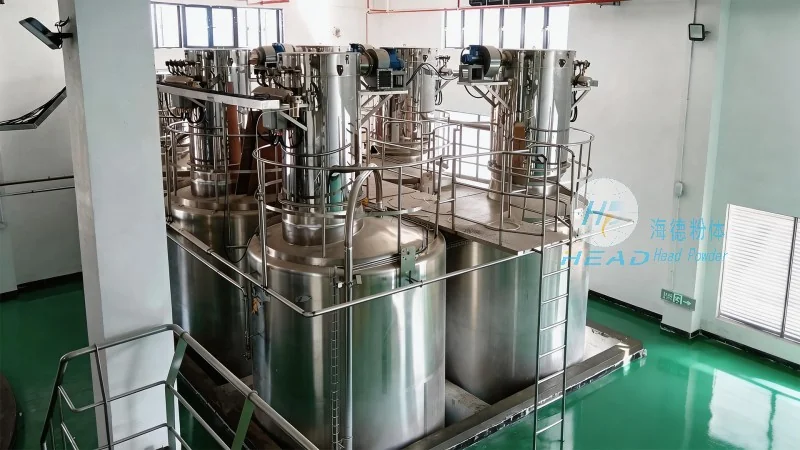
Benefits of Using Calcite Material Handling Equipment
Implementing calcite material handling equipment from HeadPowder offers numerous benefits to industrial operations. Firstly, it significantly improves operational efficiency by ensuring a continuous and consistent flow of calcite material. This reduces the time spent on manual handling and minimizes the risk of material loss or contamination. Secondly, the equipment enhances safety by automating the material handling process, reducing the need for manual labor in hazardous environments. Thirdly, the precise control systems allow for better management of material inventory, preventing overstocking or stockouts. Fourthly, the robust design of the equipment ensures long-term reliability, reducing maintenance costs and downtime. Finally, the equipment is customizable to meet the specific needs of different calcite processing applications, making it a versatile solution for various industries.