

Operation Process and Working Principle of Hydrogen Sulfide Material Handling Equipment
Hydrogen sulfide (H₂S) is a highly toxic and corrosive gas, making the safe and efficient handling of materials containing or exposed to this gas critical in industrial applications. The equipment designed for transporting and managing such materials must adhere to stringent safety standards and operational protocols to ensure worker protection and process reliability. This article provides an overview of the operation process and working principles of specialized equipment used for hydrogen sulfide material handling, highlighting key components, safety measures, and operational procedures.
Key Components of Hydrogen Sulfide Material Handling Systems
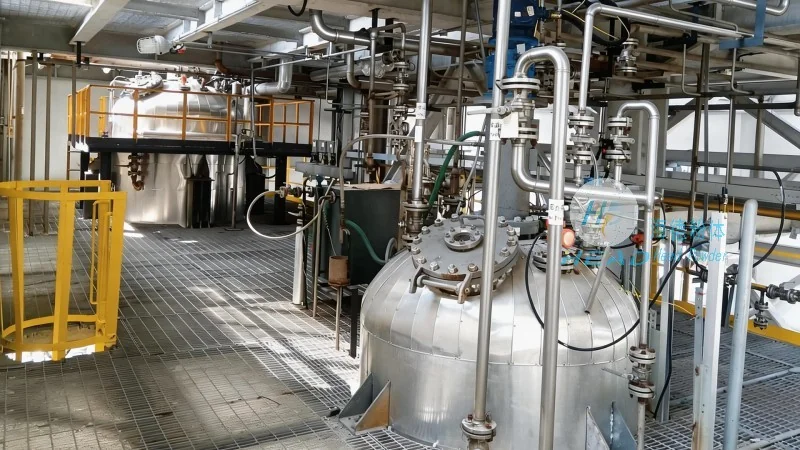
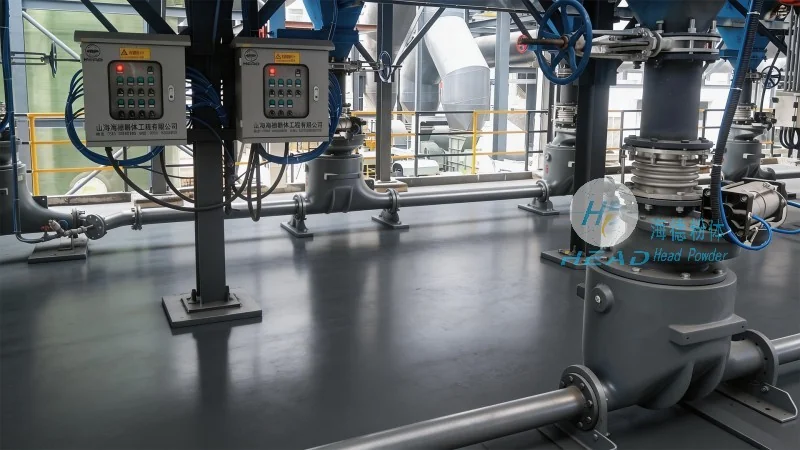
The core components of a hydrogen sulfide material handling system typically include storage tanks, transfer pumps, piping systems, and control panels. Storage tanks are designed with corrosion-resistant materials, such as stainless steel or specialized alloys, to withstand the aggressive nature of H₂S and prevent leaks. Transfer pumps, often centrifugal or positive displacement types, are selected based on the material's viscosity and flow requirements. Piping systems are equipped with non-metallic or lined components to minimize corrosion and ensure durability. Control panels integrate sensors, valves, and monitoring devices to regulate the flow and pressure of the material, while also providing real-time alerts for abnormal conditions.
Operation Process of Hydrogen Sulfide Material Handling Equipment
The operation process of hydrogen sulfide material handling equipment follows a systematic sequence to ensure safe and efficient material transfer. The process begins with the preparation of the system, which involves checking the integrity of all components, verifying the proper functioning of sensors and controls, and ensuring that all safety protocols are in place. Next, the material is introduced into the storage tank, either through a loading port or by connecting to a source. The transfer pump is then activated to start the material flow. During the transfer, the system continuously monitors pressure, temperature, and flow rates to maintain optimal conditions. The material is directed through the piping system to the desired destination, such as a processing unit or storage vessel. The process concludes with the shutdown of the pump, isolation of the system, and verification of the material's final position. Each step is critical to prevent leaks, overpressurization, or other hazards associated with H₂S handling.
Working Principles of Hydrogen Sulfide Material Handling Equipment
The working principles of hydrogen sulfide material handling equipment are based on fundamental fluid dynamics and safety engineering. The equipment operates by creating a pressure differential to move the material through the system. For example, centrifugal pumps use rotating impellers to increase the velocity of the material, converting kinetic energy into pressure energy to drive the flow. Positive displacement pumps, such as gear or piston pumps, mechanically displace the material, ensuring a consistent flow rate even at low pressures. The control system plays a vital role in maintaining the pressure and flow within safe limits. Sensors, including pressure transducers and flow meters, provide real-time data to the control panel, which adjusts the pump speed or valve position as needed. Additionally, the system incorporates safety features like pressure relief valves and emergency shut-off mechanisms to prevent overpressurization and contain leaks in case of failures.
Safety Measures and Compliance in Hydrogen Sulfide Material Handling
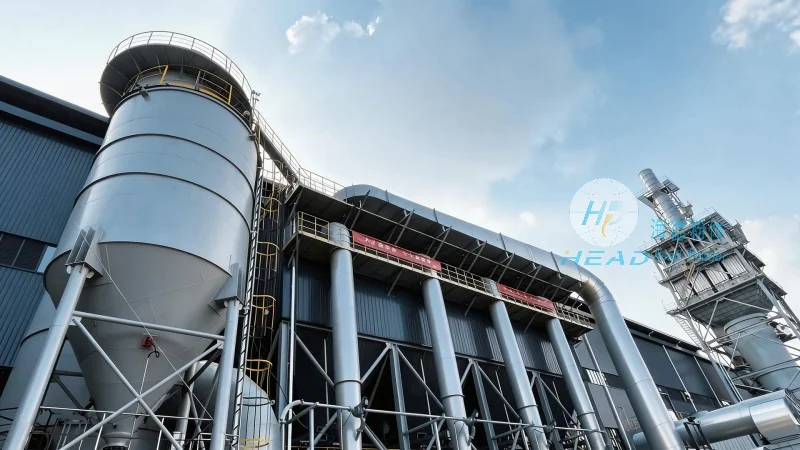
Given the hazardous nature of hydrogen sulfide, safety is paramount in the design and operation of material handling equipment. All components are constructed from materials that resist corrosion and chemical attack, reducing the risk of leaks. The system is equipped with multiple layers of protection, including secondary containment and leak detection sensors. Regular maintenance and inspections are conducted to ensure the equipment remains in optimal condition. Operational procedures include training for personnel on safe handling practices, proper use of personal protective equipment (PPE), and emergency response protocols. Compliance with industry standards, such as those from the American Petroleum Institute (API) and the Occupational Safety and Health Administration (OSHA), is mandatory to ensure the equipment meets safety requirements. These measures collectively minimize the risks associated with H₂S handling and protect both personnel and the environment.