

Operation Process and Working Principle of Heavy Powder Material Handling Systems
Shandong HeadPowder Engineering Co., Ltd., a professional manufacturer based in Shandong, China, specializes in the design, development, and implementation of heavy powder material handling systems. These systems are engineered to efficiently transport bulk powders and granular materials over long distances, ensuring reliable performance in industrial applications.
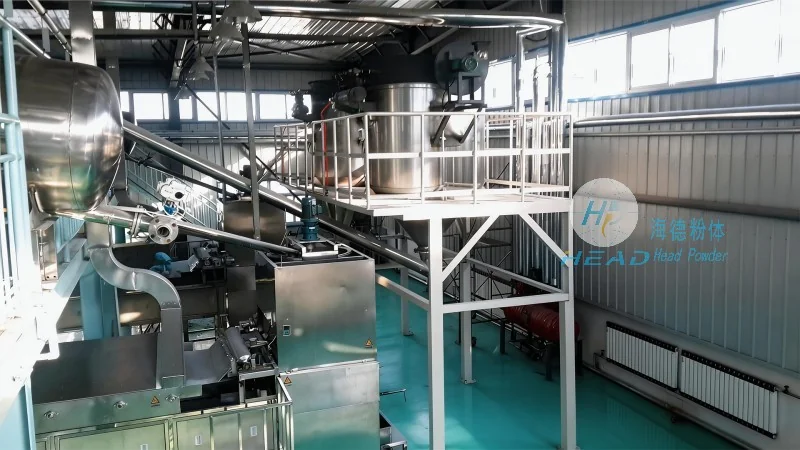
Overview of Heavy Powder Material Handling Systems
Heavy powder material handling systems are sophisticated industrial solutions designed to manage the transportation of bulk powders and granular materials. These systems are crucial in various industries, including chemical, pharmaceutical, food processing, and mining, where the efficient and safe movement of powders is essential for operational efficiency and product quality. The systems typically consist of components such as feeders, conveyors, and control systems, all working in tandem to ensure smooth material flow.
Key Components of the System
The heavy powder material handling system comprises several critical components that work together to achieve optimal performance. The primary components include:
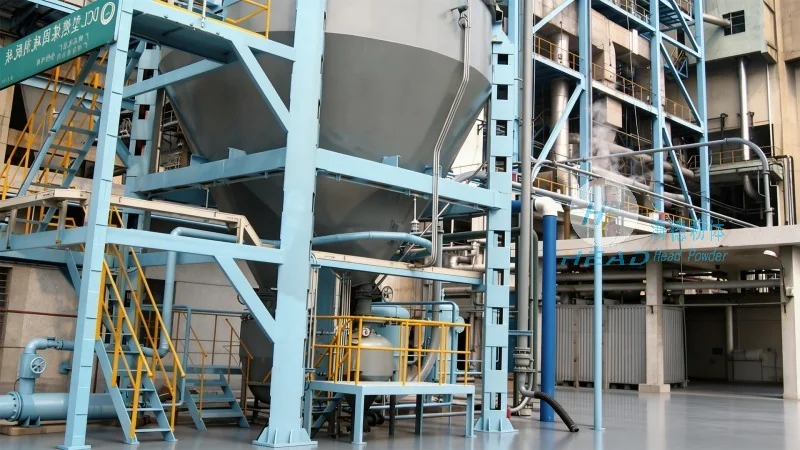
- Feeders: These devices are responsible for uniformly feeding the powder material into the conveyor system. Common types include screw feeders, vibratory feeders, and rotary valves, each designed to handle specific material characteristics and flow rates.
- Conveyors: The core of the material handling system, conveyors transport the powder from the feed point to the discharge point. Options include belt conveyors, pneumatic conveyors, and bucket elevators, selected based on the material's properties, distance, and environmental requirements.
- Control Systems: Advanced control systems monitor and regulate the operation of the feeders and conveyors. These systems ensure consistent material flow, prevent overloading, and provide real-time feedback on system performance, enhancing operational reliability.
Operation Process of the System
The operation of a heavy powder material handling system follows a systematic process to ensure efficient material transport. The process typically begins with the material being fed into the system from a storage silo or hopper. The feeder then regulates the flow rate, ensuring a consistent stream of material enters the conveyor. The conveyor then transports the material to the discharge point, where it is collected in a receiving container or transferred to another processing unit.
During operation, the control system continuously monitors key parameters such as flow rate, pressure, and temperature. Any deviations from the set parameters are immediately detected and corrected by the control system, preventing system downtime and ensuring smooth operation. The system is designed to handle a wide range of powder types, from fine powders to coarse granules, with minimal material degradation or loss.
Working Principle of the System
The working principle of the heavy powder material handling system is based on the principles of fluidization and mechanical transport. The system uses a combination of mechanical forces and air flow to move the powder material through the system. The feeder ensures a uniform flow of material, while the conveyor transports the material using either mechanical or pneumatic forces. The control system maintains the optimal operating conditions, ensuring that the material is transported efficiently and safely.
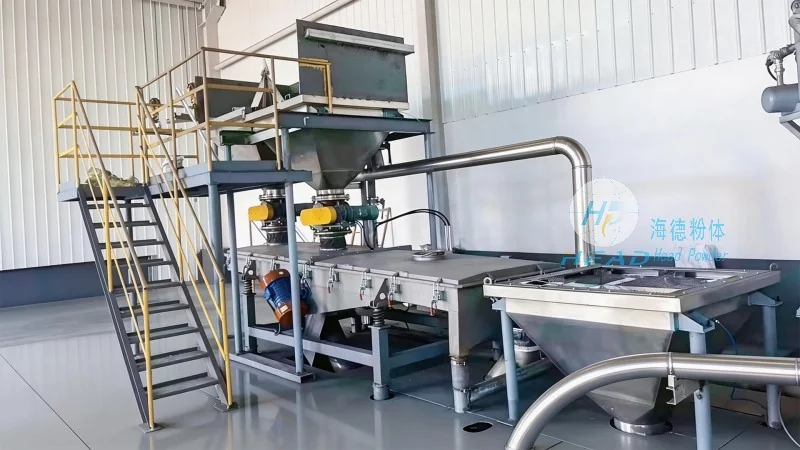
The system's design allows for flexibility in handling different material types and flow rates. For example, screw feeders are ideal for handling cohesive powders, while vibratory feeders are suitable for free-flowing materials. Pneumatic conveyors are effective for transporting fine powders over long distances, while bucket elevators are used for vertical transport of bulk materials. The control system integrates all these components, providing a seamless operation that meets the specific requirements of the industrial application.
Benefits of Using Heavy Powder Material Handling Systems
Implementing a heavy powder material handling system offers numerous benefits for industrial operations. These systems enhance operational efficiency by reducing manual handling and minimizing material loss. They also improve product quality by ensuring consistent material flow and preventing contamination. Additionally, the systems reduce labor costs and improve workplace safety by automating the material handling process.
Another significant benefit is the ability to handle a wide range of materials, from fine powders to coarse granules, with minimal modifications to the system. This flexibility allows industries to adapt to changing production needs and expand their operations without significant capital investment. The systems also contribute to environmental sustainability by reducing waste and improving material utilization.
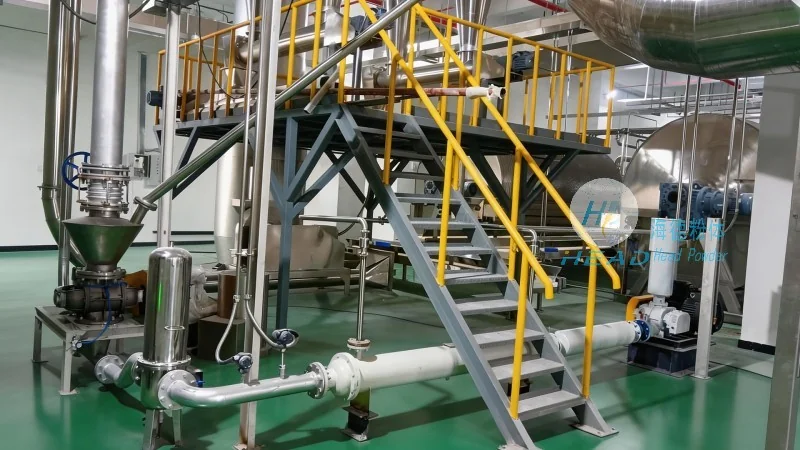
Application Examples
Heavy powder material handling systems are widely used in various industrial applications. For instance, in the chemical industry, these systems are used to transport raw materials such as powders and granules to reactors and processing units. In the pharmaceutical industry, they are used to handle active pharmaceutical ingredients (APIs) and excipients, ensuring a clean and controlled environment. In the food processing industry, they are used to transport ingredients like flour, sugar, and spices, maintaining food safety standards.
In the mining industry, heavy powder material handling systems are used to transport ore and other minerals from the mine to processing facilities. These systems are designed to handle the harsh conditions of mining operations, including dust, moisture, and temperature variations. The systems also contribute to the overall efficiency of mining operations by reducing the time and cost associated with material transport.