Gypsum powder and dust pneumatic conveying equipment is a critical component in industrial material handling systems, designed to efficiently transport fine powders like gypsum over long distances with minimal loss and contamination. This equipment plays a vital role in various industries, including construction, mining, and chemical processing, where the reliable and safe movement of bulk materials is essential for operational efficiency and product quality. The technology behind these systems combines principles of fluidization, air flow dynamics, and mechanical design to achieve seamless material transfer, making it an indispensable tool for modern industrial applications.
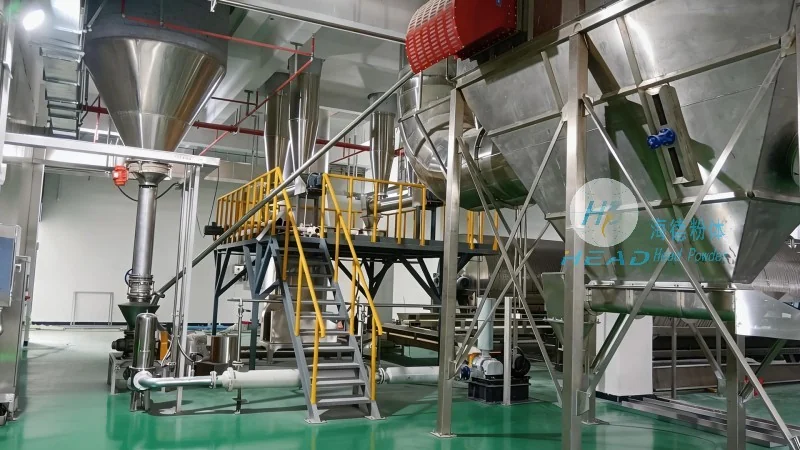
Company Profile: Shandong HeadPowder Engineering Co., Ltd.
Headpowder, as the name suggests, specializes in engineering solutions for powder handling and material transport. As a leading manufacturer based in Shandong, China, the company has established itself as a trusted provider of high-quality pneumatic conveying equipment. With a strong commitment to innovation and customer satisfaction, Headpowder offers tailored solutions that meet the specific needs of clients across different sectors. The company’s headquarters is located in Shandong, China, where its team of experienced engineers and technicians work diligently to develop and refine advanced material handling technologies.
Key Components and Structure of Pneumatic Conveying Systems
The gypsum powder and dust pneumatic conveying equipment typically consists of several key components that work in tandem to ensure effective material transport. These components include a hopper for material storage, a blower or compressor to generate the necessary air pressure, a pipeline system for conveying the material, and a receiver or discharge unit for the final delivery. The hopper is designed to hold the gypsum powder and maintain a consistent feed rate, preventing clogging and ensuring smooth operation. The blower or compressor provides the driving force by creating a pressure differential that propels the material through the pipeline. The pipeline system, often made of stainless steel or other corrosion-resistant materials, is engineered to minimize material degradation and maintain hygiene standards. The receiver or discharge unit collects the conveyed material and can be equipped with features like dust collection or filtration to ensure environmental compliance and product purity.
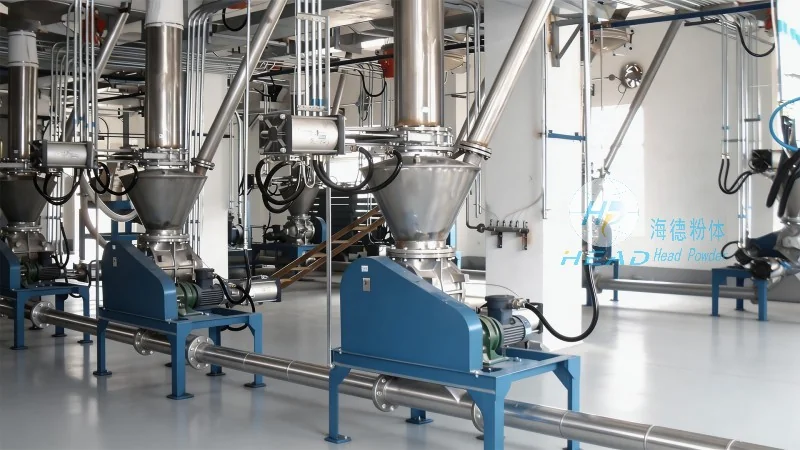
Working Principle of Pneumatic Conveying
The working principle of gypsum powder and dust pneumatic conveying equipment is based on the principle of fluidization, where the material is suspended and transported by a stream of air. When the blower or compressor operates, it generates a high-velocity air flow that enters the hopper and lifts the gypsum powder particles. As the air flows through the pipeline, it carries the particles along, maintaining a consistent velocity to prevent settling or blockages. The system uses either positive pressure or negative pressure (or a combination of both) to move the material, depending on the application requirements. Positive pressure systems push the material from the source to the destination, while negative pressure systems pull the material from the source. The choice of system depends on factors such as the distance to be covered, the material characteristics, and the desired flow rate. The equipment is designed to handle fine powders like gypsum, which are prone to agglomeration and clogging, making the fluidization process crucial for maintaining efficient operation.
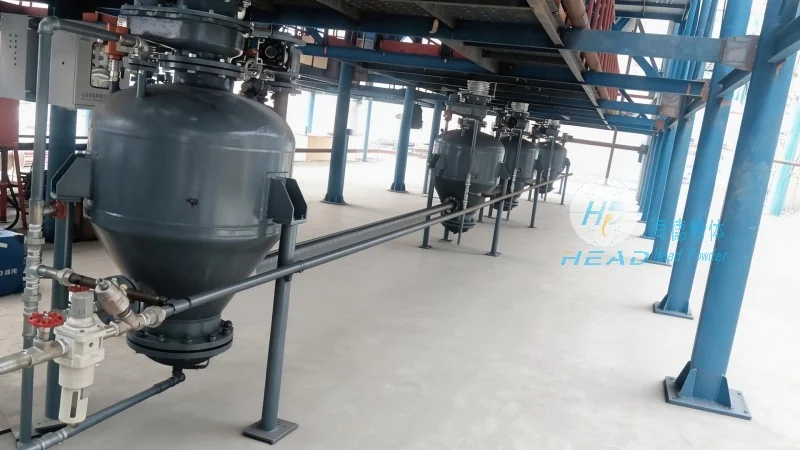
Operation Process of Gypsum Powder and Dust Pneumatic Conveying
The operation process of the gypsum powder and dust pneumatic conveying equipment involves several sequential steps that ensure the smooth and continuous transfer of material. The process begins with the loading of gypsum powder into the hopper. The hopper is equipped with a feeder mechanism, such as a rotary valve or a screw feeder, which controls the feed rate to match the air flow. As the feeder opens, the gypsum powder falls into the pipeline, where it is entrained by the air stream. The air flow then carries the material through the pipeline to the receiver or discharge unit. The receiver is typically a container or silo that collects the conveyed material, and it may be equipped with a dust collection system to capture any fine particles that escape during the process. The entire operation is monitored by control systems that adjust the air pressure and feed rate as needed to maintain optimal performance. The system is designed to operate continuously, with minimal downtime, ensuring that production processes remain uninterrupted. Regular maintenance and cleaning of the components, such as the hopper, pipeline, and blower, are essential to prevent clogging and maintain the efficiency of the equipment.
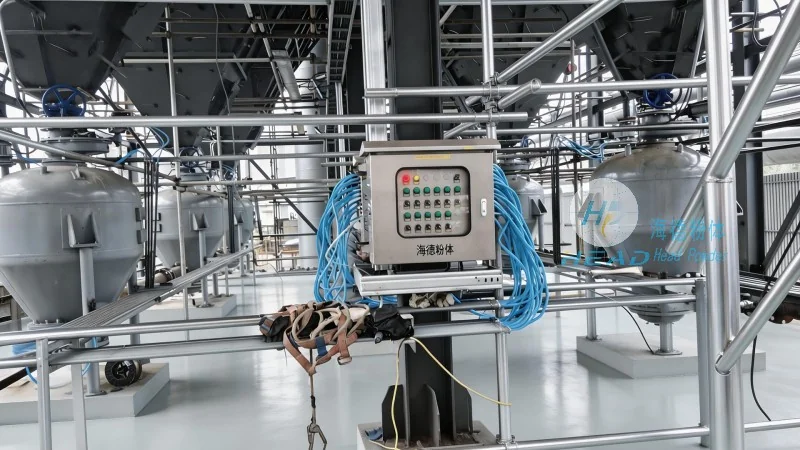
Advantages of Using Gypsum Powder and Dust Pneumatic Conveying Equipment
There are several advantages to using gypsum powder and dust pneumatic conveying equipment in industrial applications. One of the primary benefits is the ability to transport fine powders over long distances without the need for mechanical conveyors, which can be prone to material degradation and contamination. The pneumatic system provides a clean and hygienic method of material transfer, which is particularly important in industries like food processing and pharmaceuticals where product purity is critical. Additionally, the equipment is highly flexible, allowing for changes in the material flow rate or direction without significant modifications to the system. The system can also be integrated with other processing equipment, such as mixers or dryers, to create a seamless production line. Another advantage is the reduced risk of dust explosions compared to other material handling methods, as the air flow helps to dilute any combustible dust particles. Overall, the gypsum powder and dust pneumatic conveying equipment offers a reliable, efficient, and cost-effective solution for material handling in various industrial sectors.
Applications in Different Industries
Gypsum powder and dust pneumatic conveying equipment finds applications in a wide range of industries due to its versatility and effectiveness. In the construction industry, it is used to transport gypsum powder for wallboard production, ensuring a consistent supply of raw material to manufacturing plants. The equipment is also used in mining operations to transport fine dust and ore particles from processing facilities to storage or disposal sites. In the chemical industry, it helps in the transfer of gypsum-based products, such as plaster or cement additives, maintaining the quality and purity of the materials. The equipment is also utilized in the agricultural sector for handling gypsum as a soil amendment, improving soil structure and fertility. Additionally, in the pharmaceutical and food industries, the system is employed to transport fine powders like gypsum for use in product formulations, ensuring that the materials are handled in a sterile and controlled environment. The adaptability of the pneumatic conveying system makes it suitable for various applications, making it a preferred choice for many industries.




