

Operation Process and Working Principle of Dust Gas-Pneumatic Conveying
Shandong HeadPowder Engineering Co., Ltd., a leading provider in the field, specializes in the design, manufacturing, and implementation of dust gas-pneumatic conveying systems. These systems are crucial for efficiently transporting fine powders and dust materials, such as those generated in industrial processes like cement production, chemical manufacturing, and mineral processing. The company's expertise lies in ensuring reliable and efficient material handling solutions tailored to the specific needs of various industries.
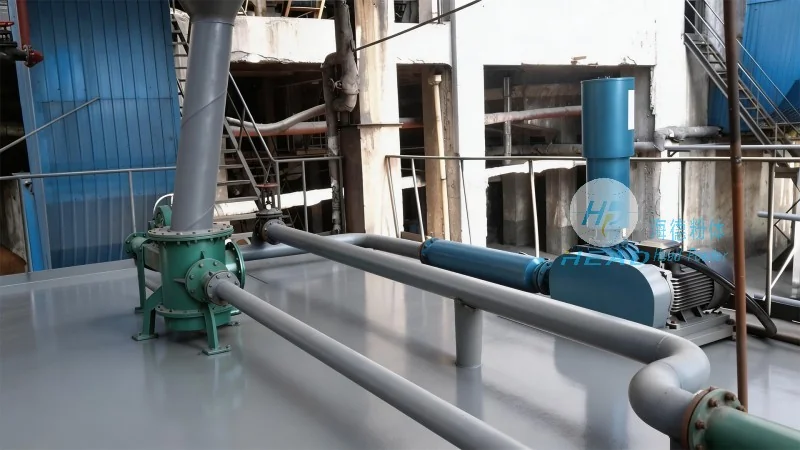
Key Components of a Dust Gas-Pneumatic Conveying System
At the core of any dust gas-pneumatic conveying system are several essential components that work in tandem to achieve effective material transport. The primary components include a blower or compressor to generate the necessary air pressure, a hopper or feed hopper to store and feed the material, a pipeline system to guide the material and air mixture, and a receiver or discharge hopper to collect the conveyed material. Additionally, control valves, filters, and safety devices are integrated to manage the system's operation and ensure operational safety and efficiency.
The Operation Process of Dust Gas-Pneumatic Conveying
The operation of a dust gas-pneumatic conveying system involves a series of steps that ensure the smooth and continuous transport of dust materials. The process begins with the material being fed into the hopper from the source, such as a silo or storage bin. The blower then starts, creating a low-pressure or high-pressure airflow within the pipeline. As the air flows through the hopper, it lifts the material particles and carries them along the pipeline to the discharge point. The material is then deposited into the receiver hopper at the destination. The system operates continuously as long as the material supply and air pressure are maintained, ensuring a steady flow of material without the need for manual handling.
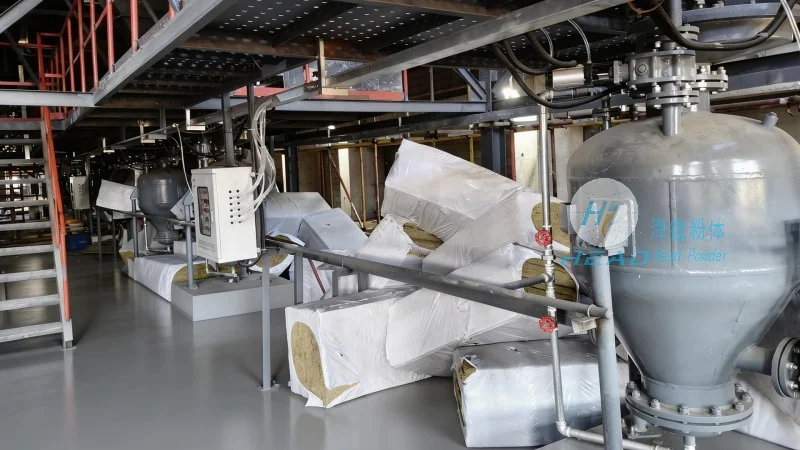
Working Principle of Dust Gas-Pneumatic Conveying
The working principle of dust gas-pneumatic conveying is based on the physical properties of air and the material being transported. When air is forced through a pipeline at a sufficient velocity, it creates a flow that can entrain and transport solid particles. The key principle is the balance between the air velocity and the particle size and density. For fine powders like dust, the air velocity must be high enough to overcome the gravitational force acting on the particles and provide the necessary lift. The system utilizes this principle to move materials over long distances or vertical heights with minimal energy consumption and high efficiency. The design of the pipeline, including the diameter and bends, is critical to maintaining the air velocity and preventing material settling or blockages.
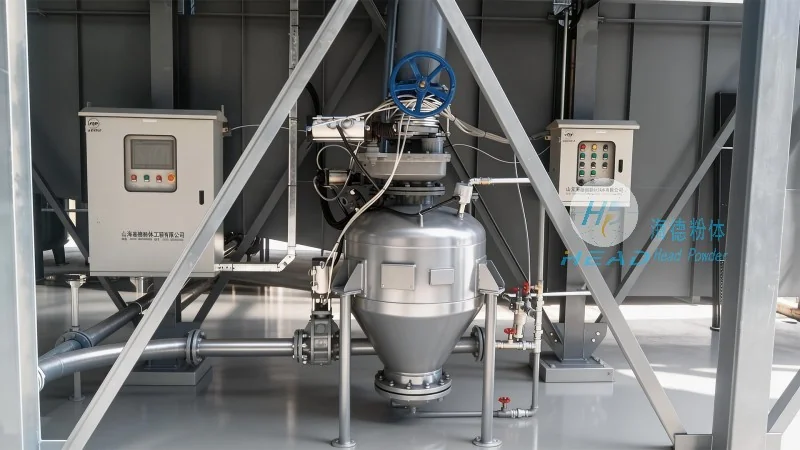
Advantages of Using Dust Gas-Pneumatic Conveying Systems
Implementing dust gas-pneumatic conveying systems offers numerous advantages for industrial applications. One of the primary benefits is the ability to transport materials in a closed system, which helps in controlling dust emissions and maintaining a clean working environment. This is particularly important in industries where dust is a health hazard or where environmental regulations are strict. Additionally, these systems are highly flexible, allowing for the conveyance of materials over varying distances and through complex layouts, including vertical lifts and horizontal turns. The continuous operation of the system reduces labor costs and increases production efficiency compared to traditional manual or mechanical conveying methods. Furthermore, the low maintenance requirements and the ability to handle a wide range of material types make these systems a cost-effective solution for long-term material handling needs.
Applications in Industrial Settings
Dust gas-pneumatic conveying systems are widely used across various industrial sectors due to their versatility and efficiency. In the cement industry, these systems are employed to transport raw materials and finished products, such as clinker and cement, from storage silos to production lines or packaging facilities. In chemical manufacturing, they are used to handle powders like chemicals, pigments, and additives, ensuring safe and efficient transfer between processing stages. The mineral processing industry also benefits from these systems, as they can transport crushed ores and fine powders from grinding mills to concentration or storage areas. Other applications include the food and pharmaceutical industries, where dust and powder handling requires strict hygiene and contamination control. The adaptability of the system to different material characteristics and process requirements makes it a preferred choice in these sectors.