HeadPowder, a leading engineering company based in Shandong, China, specializes in the design, manufacturing, and installation of advanced pneumatic conveying systems tailored for various industrial applications. Among its diverse offerings, the sesame pneumatic conveying system stands out as a reliable solution for efficient and safe handling of sesame seeds and other similar bulk materials. This article delves into the operational process and underlying working principles of such systems, highlighting their efficiency, versatility, and the technical expertise behind their design.
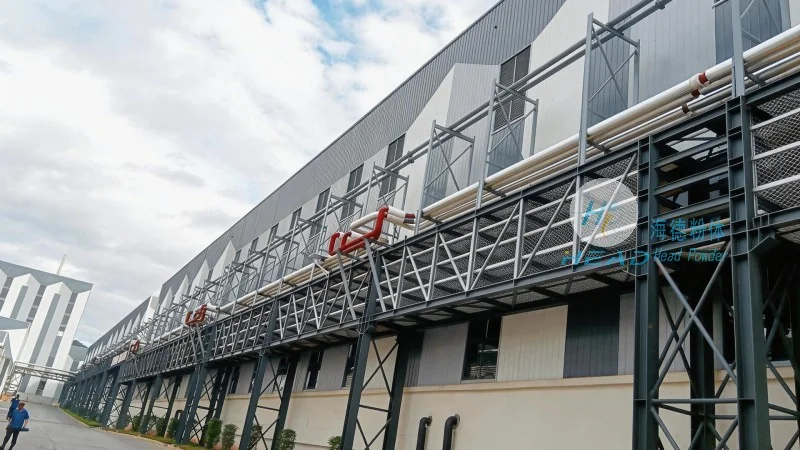
Understanding Pneumatic Conveying Systems
Pneumatic conveying systems utilize air or gas to transport bulk materials like sesame seeds through a network of pipes. Unlike traditional mechanical conveyors, these systems offer several advantages, including reduced risk of contamination, lower maintenance requirements, and the ability to handle materials that are difficult to transport mechanically. The core components of a typical pneumatic conveying system include a material feed hopper, a conveying line, a control valve, and a receiver or discharge point. Each component plays a crucial role in ensuring the smooth and efficient movement of the material from the source to the destination.
The Sesame Pneumatic Conveying Process: Step-by-Step
The operation of a sesame pneumatic conveying system involves a series of coordinated steps that ensure the material is transported safely and efficiently. The process typically begins with the loading of sesame seeds into the material feed hopper. The hopper is designed to hold a sufficient quantity of material and features a feeding mechanism, such as a rotary valve or a screw feeder, which regulates the flow of seeds into the conveying line. As the material enters the conveying line, it is mixed with compressed air, which creates a slurry-like mixture. This mixture is then propelled through the pipes by the pressure of the air, moving the seeds along the path from the feed point to the discharge point.
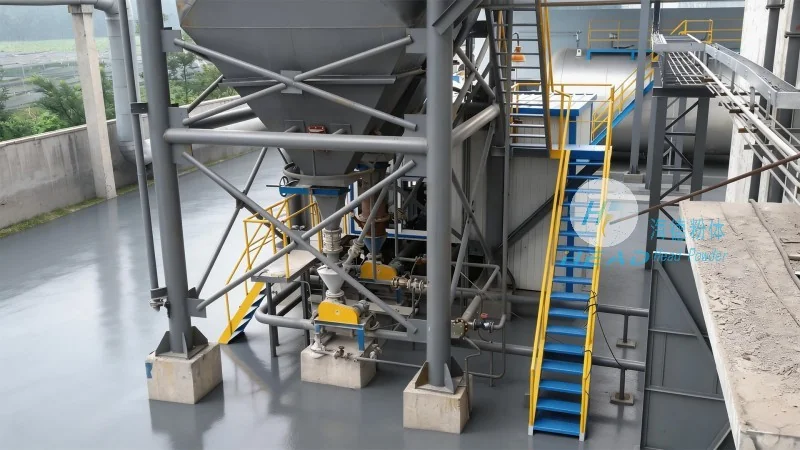
During the conveying process, the system maintains a consistent air pressure and flow rate to ensure the material moves without clogging or excessive wear on the equipment. The control valve, often an air-operated diaphragm valve, regulates the air flow and material discharge, allowing for precise control over the conveying rate. The receiver or discharge hopper at the end of the line collects the transported sesame seeds, where they are then discharged for further processing or storage. This step-by-step process ensures that the entire operation is automated and can be easily monitored and adjusted as needed.
Working Principles of the Sesame Pneumatic Conveying System
The working principle of a sesame pneumatic conveying system is based on the fundamental physics of fluid dynamics and material transport. The system operates by creating a pressure differential between the inlet and outlet of the conveying line. Compressed air is introduced into the system, creating a high-pressure environment at the feed point. As the air flows through the pipes, it entrains the sesame seeds, forming a dense phase flow. This flow is characterized by the continuous movement of particles suspended in the air stream, which allows for the efficient transport of the material over long distances and varying elevations.
A key aspect of the system's design is the use of appropriate air velocity and pressure to maintain the stability of the material-air mixture. The air velocity must be sufficient to prevent the material from settling or clogging the pipes but not so high as to cause excessive wear or energy consumption. The system also incorporates features such as cyclone separators or filters at the discharge point to separate the air from the material, ensuring that the transported sesame seeds are clean and free from contaminants. This separation process is critical for maintaining the quality of the final product and preventing any damage to downstream equipment.
Advantages of Using a Sesame Pneumatic Conveying System
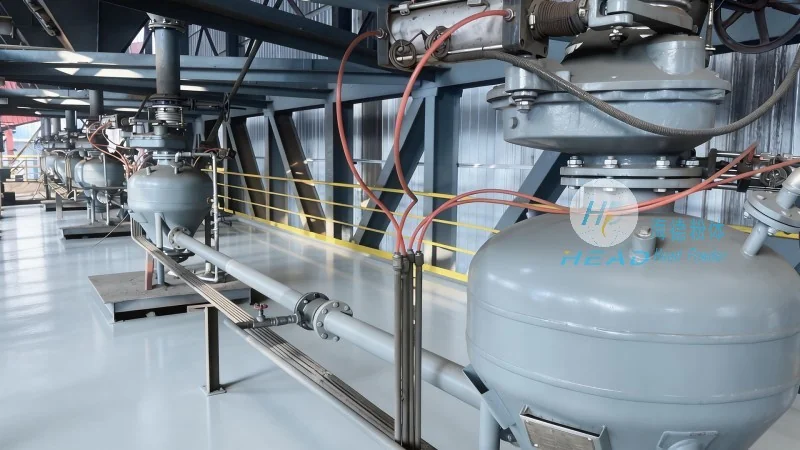
Implementing a pneumatic conveying system for sesame seed handling offers numerous benefits that enhance operational efficiency and product quality. One of the primary advantages is the reduced risk of contamination, as the system operates in a closed environment, preventing exposure to dust, moisture, or other external factors. This is particularly important for sesame seeds, which are sensitive to moisture and can easily spoil if not handled properly. Additionally, the system minimizes the need for manual handling, reducing labor costs and the risk of workplace injuries associated with manual loading and unloading of bulk materials.
Another significant advantage is the flexibility and adaptability of the system. Pneumatic conveying systems can be easily reconfigured or expanded to accommodate changes in production volume or processing requirements. The modular design allows for the addition of new components, such as longer conveying lines or additional receivers, without disrupting the existing operation. This flexibility makes the system suitable for a wide range of applications, from small-scale processing facilities to large industrial plants.
Technical Considerations and Maintenance
While pneumatic conveying systems offer many advantages, proper design and maintenance are essential to ensure optimal performance and longevity. HeadPowder, as a professional engineering company, emphasizes the importance of selecting the right components and materials for the specific application. For example, the choice of pipe material, such as stainless steel or plastic, depends on the characteristics of the material being conveyed and the operating conditions. Stainless steel is commonly used for its corrosion resistance and durability, while plastic pipes are suitable for non-corrosive materials and lower pressure applications.
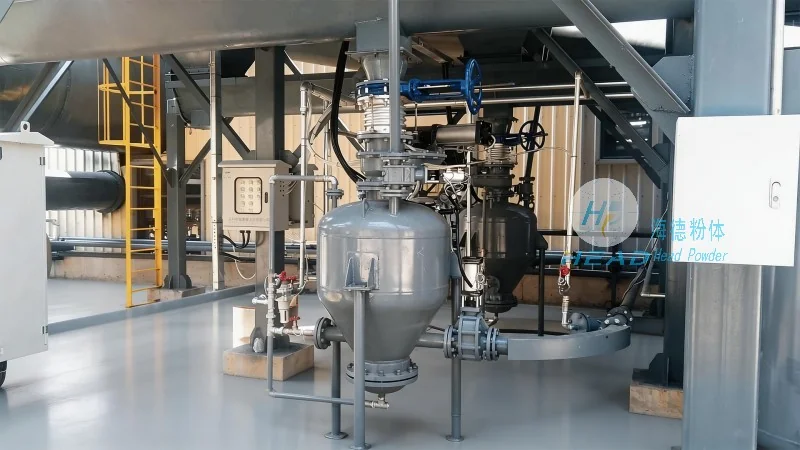
Maintenance of the system involves regular inspection of components such as the feed hopper, conveying line, and control valves. This includes checking for signs of wear, clogging, or leaks, and performing routine cleaning and lubrication as needed. The system's control system, which monitors air pressure, flow rate, and material level, should also be regularly calibrated to ensure accurate operation. By adhering to a proper maintenance schedule, the system can operate efficiently for extended periods, minimizing downtime and maximizing productivity.
Conclusion
The sesame pneumatic conveying system, as exemplified by the solutions offered by Shandong HeadPowder Engineering Co., Ltd., represents a sophisticated and efficient approach to handling bulk materials. Through its well-designed operational process and robust working principles, the system ensures the safe and reliable transport of sesame seeds while maintaining product quality and operational efficiency. As a leading provider in the field, HeadPowder continues to innovate and refine its pneumatic conveying systems to meet the evolving needs of the industry, providing customers with reliable and high-performance solutions for their material handling requirements.




