

Principles and Working Scene Characteristics of Sugar Powder Pneumatic Conveying
Pneumatic conveying is a widely used method for transporting bulk materials, including powdered substances like sugar, through the use of air or gas. This technology involves the movement of material particles within a pipeline system, driven by the pressure or velocity of the gas. For sugar powder, which is often used in food processing, pharmaceuticals, and other industries, efficient and reliable transportation is crucial to maintain product quality and operational efficiency. Understanding the principles behind pneumatic conveying and the specific characteristics of working scenes is essential for optimizing processes and selecting appropriate equipment.
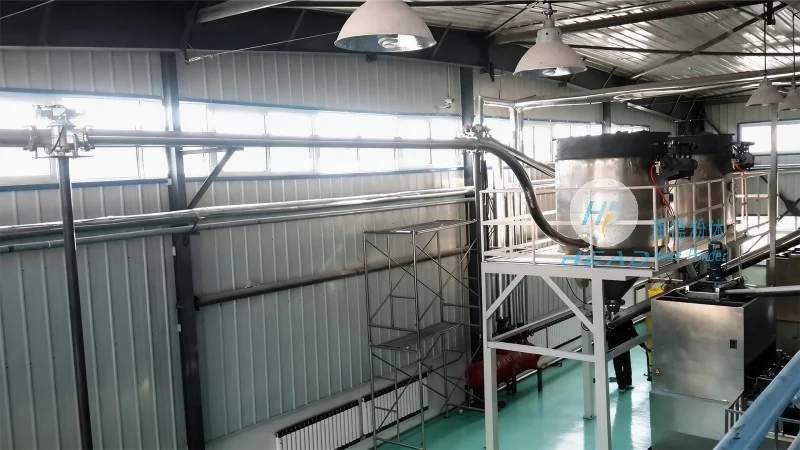
The Core Principles of Sugar Powder Pneumatic Conveying
The fundamental principle of pneumatic conveying for sugar powder is the creation of a flow of air or gas that lifts and transports the powder particles through a pipeline. This process can be categorized into two main types: dilute phase and dense phase. Dilute phase conveying uses low air velocity and pressure, typically operating at pressures below atmospheric, and is suitable for short distances and low to medium material flow rates. Dense phase conveying, on the other hand, uses higher air velocity and pressure, often operating at or above atmospheric pressure, and is ideal for longer distances and higher material flow rates, as well as for handling materials that are sensitive to high velocities or pressure surges.
In the context of sugar powder, the choice between these two phases depends on several factors, including the required conveying distance, the volume of material to be transported, and the sensitivity of the sugar to handling conditions. For example, in a small-scale food processing plant where sugar is being moved from a storage silo to a mixing area, dilute phase conveying might be sufficient due to the short distance and low material volume. Conversely, in a large-scale industrial facility where sugar is being transported over several kilometers to a processing plant, dense phase conveying would be more appropriate to ensure efficient and stable transport.
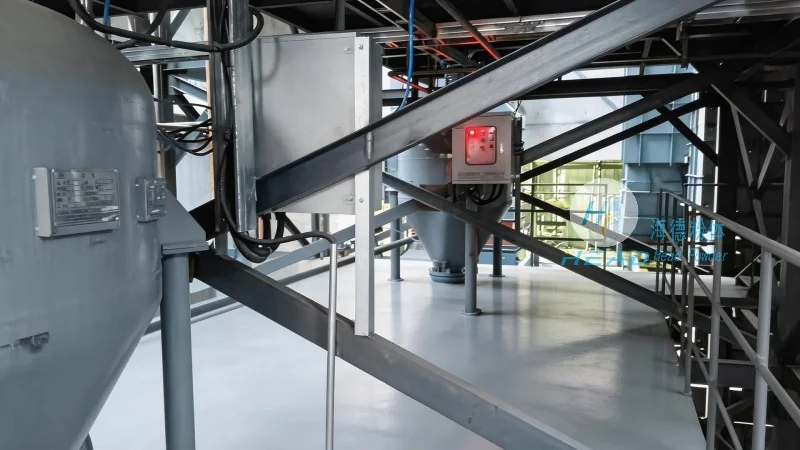
Key Working Scene Characteristics for Sugar Powder Pneumatic Conveying
When considering the application of pneumatic conveying for sugar powder, several working scene characteristics must be taken into account to ensure optimal performance and product integrity. These characteristics include the physical properties of the sugar powder, the operational environment, and the specific requirements of the end-use application.
Firstly, the physical properties of the sugar powder, such as particle size, density, and moisture content, significantly influence the conveying process. Sugar powders are typically fine particles with a relatively low bulk density, which can affect the air-to-material ratio required for effective transport. For instance, finer sugar particles may require higher air velocities to prevent clogging or bridging in the pipeline, while coarser particles might be more easily conveyed at lower velocities. Additionally, moisture content is a critical factor, as excessive moisture can lead to clumping or agglomeration, which can disrupt the conveying process and affect product quality.
Secondly, the operational environment plays a vital role in determining the suitability of pneumatic conveying for sugar powder. Factors such as temperature, humidity, and the presence of contaminants must be considered. In food processing applications, for example, the conveying system must be designed to maintain the sanitary standards required for handling food-grade materials. This may involve the use of stainless steel components, sealed systems, and proper filtration to prevent contamination. Similarly, in pharmaceutical applications, the system must meet stringent regulatory requirements for cleanliness and product purity, which may necessitate additional measures such as air filtration and material handling protocols.
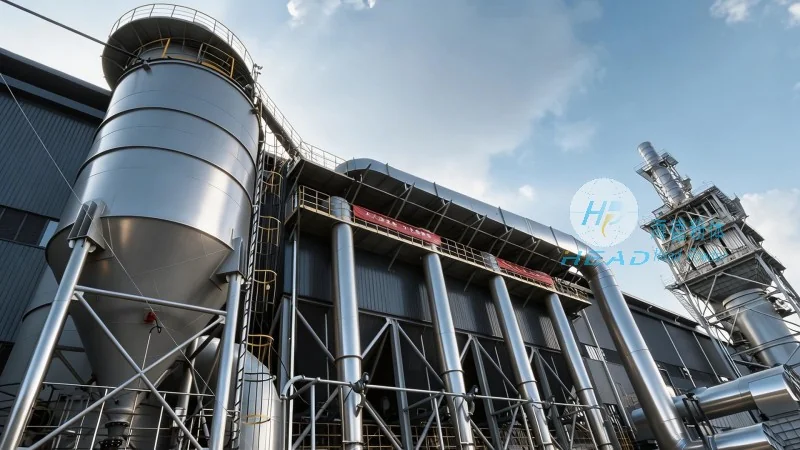
Thirdly, the specific requirements of the end-use application influence the design and operation of the pneumatic conveying system. For instance, if the sugar is being transported to a mixing or blending process, the conveying system must ensure that the material is delivered in a consistent and uniform manner to avoid variations in the final product. This may require the use of control systems to regulate the flow rate and pressure of the air, as well as the use of appropriate valves and meters to monitor and adjust the conveying parameters. Additionally, if the sugar is being transported to a storage facility, the system must be designed to minimize product degradation and maintain its quality over time, which may involve the use of temperature-controlled systems or specialized storage containers.
Applications and Benefits in Different Industries
Sugar powder pneumatic conveying is widely used across various industries, each with its own specific requirements and benefits. In the food industry, for example, this technology is used to transport sugar from storage silos to processing lines, ensuring a continuous and efficient supply of raw material. The benefits of using pneumatic conveying in this context include improved product quality, reduced labor costs, and increased operational efficiency. Similarly, in the pharmaceutical industry, pneumatic conveying is used to transport sugar as an excipient or filler in the production of tablets and capsules. The benefits in this application include enhanced product purity, reduced risk of contamination, and improved process control.
In the chemical industry, sugar powder pneumatic conveying is used for the transport of sugar-based products, such as sugar syrups or molasses, which are used as raw materials in the production of various chemicals. The benefits in this application include the ability to handle high volumes of material over long distances, as well as the reduction of handling-related costs and product loss. Additionally, in the agricultural industry, pneumatic conveying is used to transport sugar from processing facilities to storage or distribution centers, ensuring a smooth and efficient supply chain.
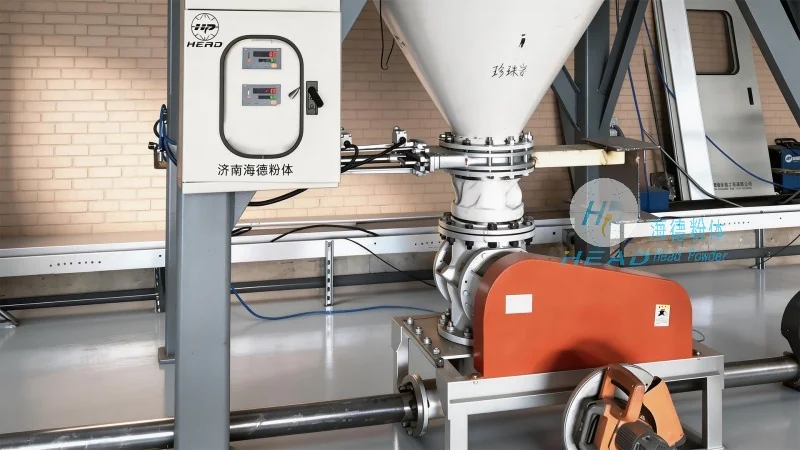
Company Overview: Shandong HeadPowder Engineering Co., Ltd.
Shandong HeadPowder Engineering Co., Ltd., also known as headpowder, is a leading provider of pneumatic conveying solutions for sugar powder and other bulk materials. With a focus on innovation and customer satisfaction, the company has established itself as a trusted partner in the industry, offering a wide range of products and services tailored to the specific needs of its clients. HeadPowder's expertise in the design, manufacturing, and installation of pneumatic conveying systems has enabled the company to serve a diverse range of industries, including food processing, pharmaceuticals, chemicals, and agriculture.
The company's headquarters is located in Shandong, China, where it has a team of experienced engineers and technicians dedicated to developing and implementing advanced pneumatic conveying solutions. HeadPowder's commitment to quality and reliability is reflected in its adherence to international standards and its use of high-quality materials and components in its products. The company also provides comprehensive after-sales support, including maintenance, repair, and technical assistance, to ensure that its clients' systems operate at optimal performance levels.