

Principle and Working Scene Characteristics of Lithium-Ion Battery Nanomaterial Material Handling Co
HeadPowder, a leading provider in the field of material handling solutions, specializes in the design and implementation of advanced conveying systems tailored for lithium-ion battery manufacturing processes. This article delves into the core principles of a lithium-ion battery nanomaterial material handling conveying line, exploring its operational mechanisms and the distinct characteristics of its working environments. By understanding these aspects, stakeholders in the battery industry can better appreciate the efficiency and precision these systems offer in handling nanomaterials, a critical component in modern battery production.
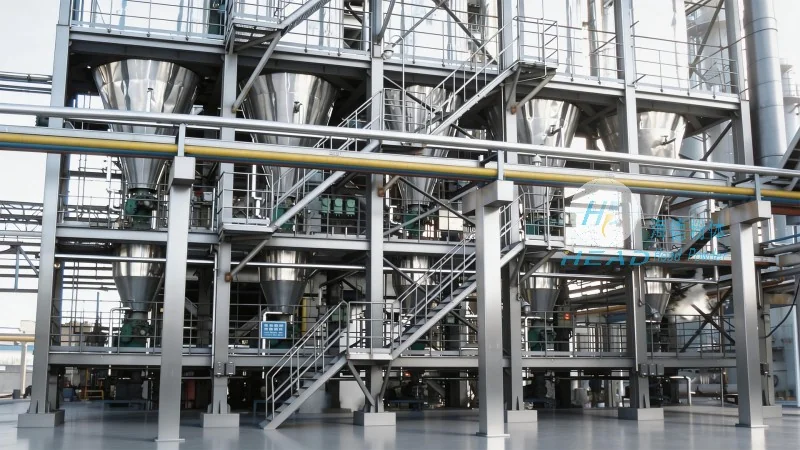
Core Principles of the Material Handling System
The lithium-ion battery nanomaterial material handling conveying line operates on a sophisticated set of principles designed to ensure the safe and efficient transport of nanomaterials from raw material storage to the final processing stages. At its heart, the system integrates multiple components, including feeding mechanisms, conveying belts or rollers, and control systems, all working in tandem to maintain material integrity and process consistency. The primary principle is to minimize material degradation while maximizing throughput, which is achieved through precise control of speed, pressure, and environmental conditions. For instance, the conveying system is often equipped with specialized materials that are non-reactive to the nanomaterials being handled, preventing contamination or chemical reactions that could compromise the quality of the final battery components. Additionally, the design incorporates features such as temperature regulation and dust control, which are essential for maintaining the purity of nanomaterials, especially those used in high-performance lithium-ion batteries. The system's modularity allows for easy integration with existing production lines, enabling manufacturers to upgrade their operations without significant disruption. This adaptability is a key advantage, as it supports the evolving needs of the battery industry, where new materials and production techniques are constantly being introduced.
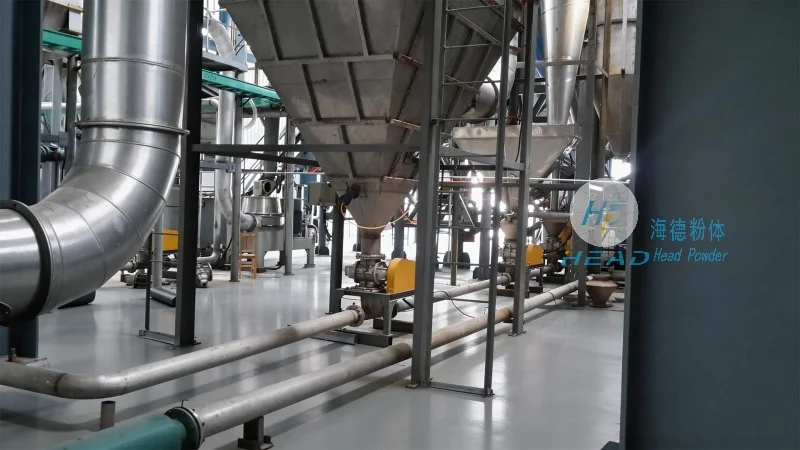
Working Scene Characteristics and Application Scenarios
The working scene characteristics of the lithium-ion battery nanomaterial material handling conveying line are tailored to the specific demands of battery manufacturing environments. These environments typically involve high-volume production, strict quality control, and the handling of sensitive materials that require precise handling to avoid damage or contamination. The conveying line is often deployed in cleanroom or controlled environments, where dust and particulate matter are minimized to prevent interference with the nanomaterials. The system is designed to handle various types of nanomaterials, including but not limited to, graphite, lithium cobalt oxide, and other active materials used in battery cathodes and anodes. Each material may have unique handling requirements, such as different particle sizes, moisture content, or chemical properties, which the conveying line addresses through adjustable parameters and specialized components. For example, in the processing of graphite, the system may use vibration feeders to ensure uniform material flow, while for lithium cobalt oxide, it may employ gentle conveying methods to prevent agglomeration. The working scene also includes integration with other production equipment, such as mixers, classifiers, and coating machines, creating a seamless production flow. This integration is crucial for maintaining the continuity of the manufacturing process and reducing downtime. The system's ability to handle different materials and adapt to various production stages makes it a versatile solution for battery manufacturers, whether they are producing small-format batteries for consumer electronics or large-format batteries for energy storage systems.
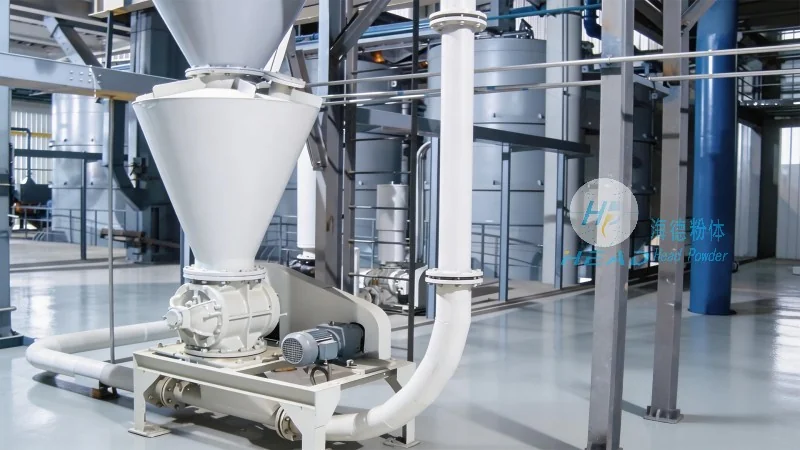
Technical Advantages and Operational Efficiency
The lithium-ion battery nanomaterial material handling conveying line offers several technical advantages that contribute to enhanced operational efficiency and product quality. One of the key advantages is its ability to maintain material purity and consistency throughout the conveying process. By using non-stick surfaces and gentle handling mechanisms, the system minimizes the risk of material contamination or degradation, which is critical for the performance of lithium-ion batteries. The precise control of conveying speed and pressure ensures that the nanomaterials are transported without excessive friction or impact, preserving their particle size distribution and chemical properties. This is particularly important for high-performance batteries, where even minor changes in material characteristics can affect battery life and energy density. Another advantage is the system's energy efficiency. Advanced motor controls and energy recovery systems are integrated into the design, reducing energy consumption while maintaining high throughput. This not only lowers operational costs but also aligns with the industry's sustainability goals. The system also features real-time monitoring and data logging capabilities, allowing operators to track material flow, detect anomalies, and optimize performance. This data-driven approach enhances process control and helps in identifying areas for improvement, leading to continuous optimization of the production process. Furthermore, the modular design of the conveying line allows for easy maintenance and component replacement, reducing downtime and increasing overall equipment effectiveness (OEE). The system's reliability and durability are further enhanced by the use of high-quality materials and robust construction, ensuring long-term performance in demanding manufacturing environments.
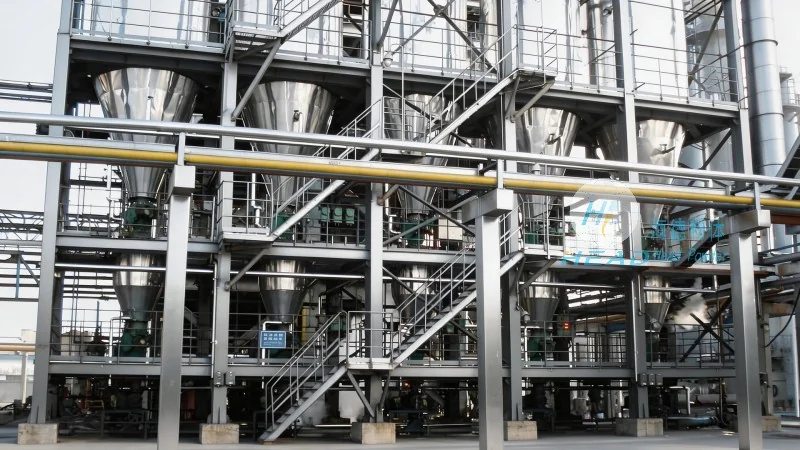
Company Profile and Service Commitment
HeadPowder Engineering, based in Shandong, China, is a reputable company specializing in the engineering and manufacturing of advanced material handling systems for the battery industry. With a strong focus on innovation and customer satisfaction, HeadPowder has established itself as a trusted partner for manufacturers seeking efficient and reliable solutions for their production processes. The company's expertise lies in the design of customized conveying systems that meet the specific needs of lithium-ion battery manufacturers, ensuring that each system is tailored to the unique requirements of the client's production line. HeadPowder's team of engineers and technicians work closely with clients to understand their operational challenges and develop solutions that enhance productivity and product quality. The company adheres to strict quality standards and employs advanced manufacturing techniques to ensure that its products meet the highest industry benchmarks. HeadPowder's commitment to sustainability is also reflected in its product design, which emphasizes energy efficiency and environmental responsibility. By providing comprehensive support, including installation, training, and after-sales service, HeadPowder ensures that its clients can fully leverage the benefits of their material handling systems. The company's presence in Shandong, China, allows it to leverage local resources and expertise while maintaining a global perspective on industry trends. This combination of local knowledge and international standards makes HeadPowder a preferred choice for battery manufacturers looking to enhance their production capabilities. In summary, HeadPowder's lithium-ion battery nanomaterial material handling conveying line represents a sophisticated solution that addresses the complex demands of modern battery manufacturing, combining advanced technology with a customer-centric approach to deliver superior results.