

Principles and Working Scene Characteristics of Dust-Free and Airtight Material Conveying Systems
HeadPowder, a leading provider of material handling solutions, specializes in dust-free and airtight conveying systems designed to meet stringent industrial requirements. This article explores the fundamental principles behind these systems and highlights key working scene characteristics that define their application across various industries.
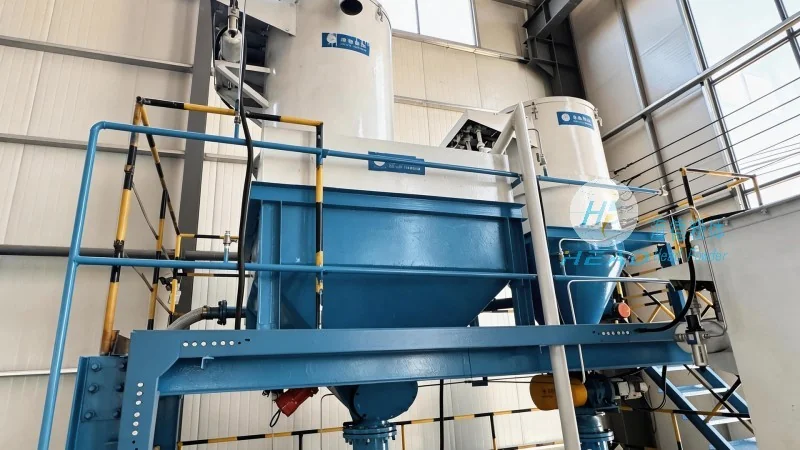
Principles of Dust-Free and Airtight Material Conveying Systems
The core principle of a dust-free and airtight material conveying system is to maintain a completely sealed environment throughout the material handling process. This is achieved through a combination of robust mechanical components and advanced sealing technologies. The system typically consists of enclosed conveyor belts or pipes that prevent dust particles from escaping into the surrounding air while also protecting the material from external contaminants. By utilizing positive pressure or negative pressure within the system, the design ensures that air and particles remain contained, reducing the risk of cross-contamination and maintaining product purity. The materials used in the construction of these systems, such as stainless steel, food-grade plastics, and specialized alloys, are chosen for their durability, resistance to corrosion, and ability to withstand the demands of high-volume material transport. Additionally, the system incorporates features like air filtration and pressure monitoring to ensure consistent performance and compliance with industry standards.
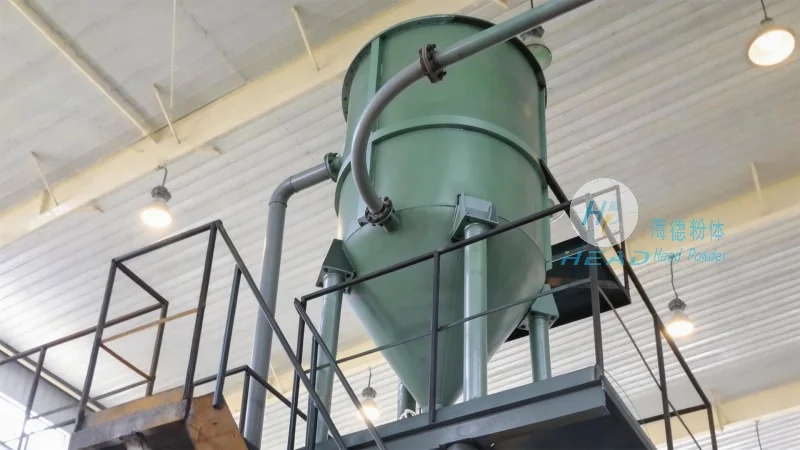
Working Scene Characteristics of Dust-Free and Airtight Conveying Systems
Dust-free and airtight conveying systems are widely employed in industries where product purity and safety are paramount. In the pharmaceutical industry, for example, these systems are essential for transporting raw materials and finished products without introducing dust or contaminants that could compromise drug efficacy or patient safety. The systems are designed to operate in cleanroom environments, often with integrated HEPA filters and laminar flow controls to maintain air quality standards. In the food and beverage sector, similar systems are used to handle powders, granules, and other food-grade materials, ensuring that products remain free from dust, bacteria, and other foreign substances. The working scene characteristics in this industry include high hygiene standards, frequent cleaning protocols, and the need for easy maintenance to minimize downtime. In the chemical and petrochemical industries, these systems are crucial for transporting hazardous powders and granules, where containment is critical to prevent environmental contamination and ensure worker safety. The systems are often equipped with explosion-proof features and pressure relief valves to handle potentially volatile materials. Furthermore, in the electronics manufacturing industry, dust-free conveying systems are used to transport sensitive components and materials, protecting them from dust and static electricity that could damage delicate parts. The working scene in this sector emphasizes precision, cleanliness, and the ability to handle small, intricate items without damage.
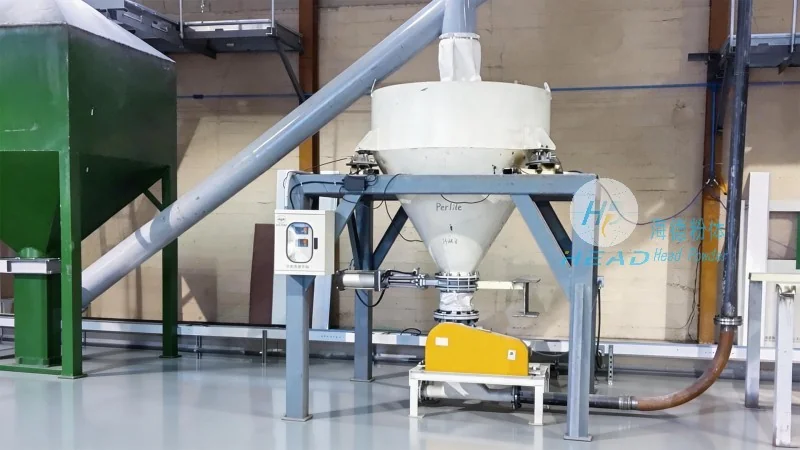
Key Features and Benefits in Different Application Scenarios
Across various working scenes, dust-free and airtight conveying systems offer several key features and benefits that make them indispensable in modern industrial operations. One of the primary advantages is the ability to maintain product integrity and quality throughout the conveying process. By preventing dust and contamination, these systems ensure that materials remain in their original state, reducing waste and improving overall product consistency. Another significant benefit is the enhanced safety provided by the sealed design. In industries dealing with hazardous materials, the containment feature minimizes the risk of exposure to workers and the environment, thereby reducing liability and improving operational safety. The systems also contribute to improved efficiency by reducing downtime caused by maintenance and cleaning. The enclosed design allows for easier cleaning and maintenance, as there are no exposed components that could accumulate dust or require frequent replacement. Additionally, the energy efficiency of these systems is a notable advantage, as they often incorporate variable speed drives and optimized airflow to minimize power consumption while maintaining performance. In terms of scalability, these systems can be customized to handle a wide range of material types and volumes, making them suitable for both small-scale and large-scale production environments. The adaptability of the systems to different working scenes is a key factor in their widespread adoption across various industries.
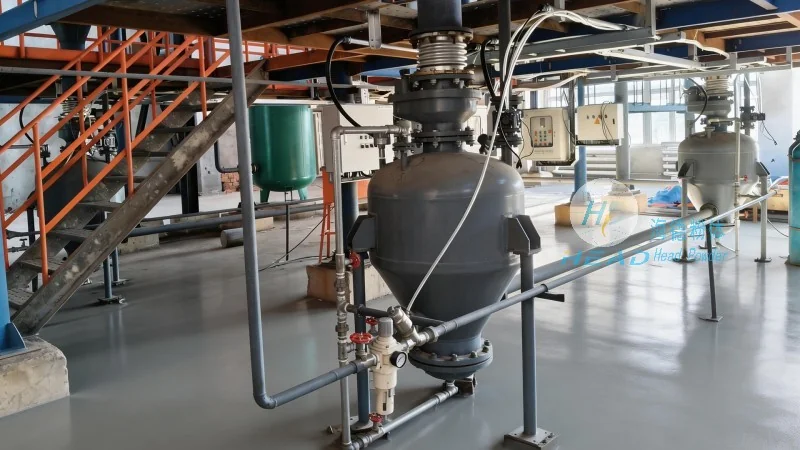
Conclusion: The Role of HeadPowder in Providing Advanced Conveying Solutions
HeadPowder Engineering Co., Ltd., based in Shandong, China, is at the forefront of developing and manufacturing dust-free and airtight material conveying systems that meet the evolving needs of modern industries. By adhering to rigorous quality standards and leveraging advanced engineering techniques, the company ensures that its products deliver reliable performance and long-term durability. The working scene characteristics of these systems, combined with their robust design and versatile applications, make them a critical component in industries where product purity, safety, and efficiency are non-negotiable. As industries continue to demand higher standards of material handling, the role of dust-free and airtight conveying systems will only become more prominent, and companies like HeadPowder will play a vital role in meeting these demands with innovative and reliable solutions.