

Principle and Working Scene Characteristics of Polystyrene Material Conveying Systems
Polystyrene material conveying systems represent a specialized segment within industrial material handling, designed to efficiently transport polystyrene particles or granules from one location to another. The core principle behind these systems revolves around the integration of mechanical and, in some cases, pneumatic components to manage the unique physical properties of polystyrene, such as its lightweight nature, potential for static charge accumulation, and susceptibility to dust generation during handling.
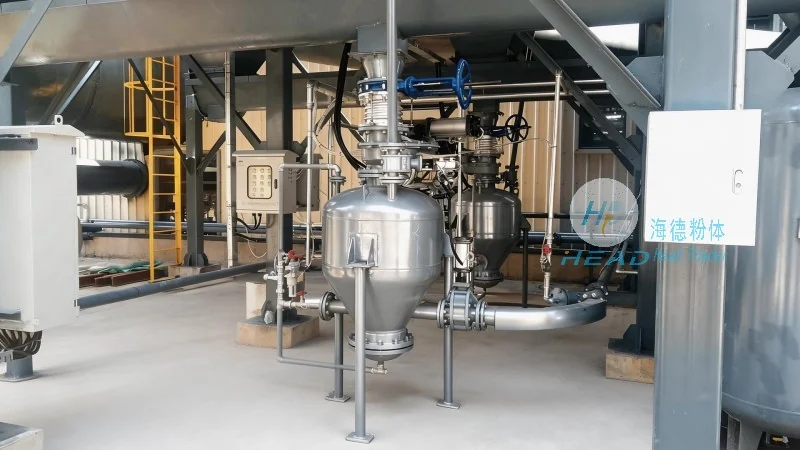
Introduction to Polystyrene Material Conveying Systems: Core Principles and Operational Scenarios
At the heart of polystyrene material conveying is the need to maintain material integrity while ensuring reliable, continuous flow. This is achieved through the use of equipment tailored to the material's characteristics. For instance, screw conveyors are commonly employed due to their ability to handle granular materials with minimal segregation, while pneumatic conveying systems are preferred for applications requiring long-distance transport or where dust control is critical. The selection of the appropriate conveying method depends on factors like the material's bulk density, flowability, and the distance between the source and destination points.
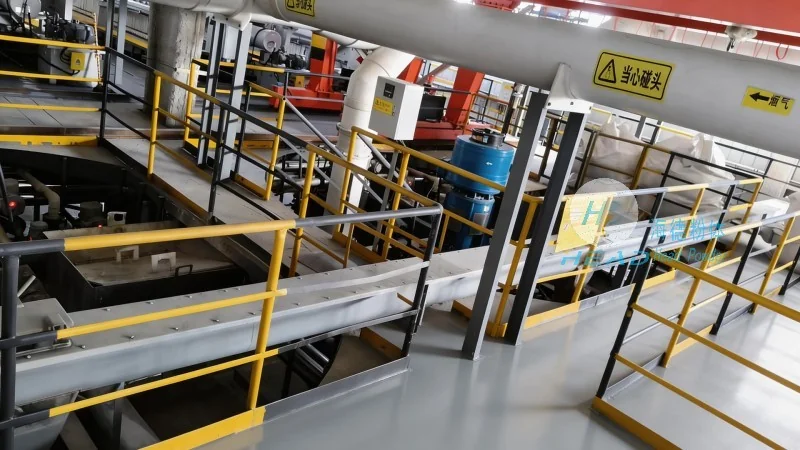
Key Working Scene Characteristics: Application Environments and Operational Demands
The operational characteristics of polystyrene material conveying systems are heavily influenced by the specific environments in which they are deployed. In packaging manufacturing facilities, these systems are often integrated into production lines to move polystyrene pellets from storage silos to molding machines. Here, the emphasis is on maintaining a consistent feed rate and preventing material buildup that could lead to production bottlenecks. In contrast, in chemical processing plants, the focus shifts to ensuring compliance with safety regulations, as polystyrene dust can be a fire hazard and requires effective dust suppression measures. Additionally, the systems must be designed to handle variations in material moisture content or temperature, which can affect flowability and equipment performance.
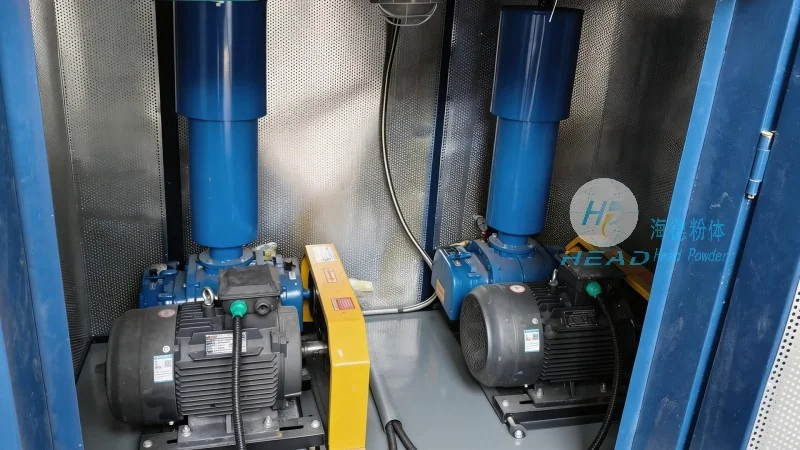
Company Overview: HeadPowder Engineering's Expertise in Material Handling Solutions
Shandong HeadPowder Engineering Co., Ltd., a leading provider of industrial material handling solutions, specializes in the design, manufacturing, and installation of polystyrene material conveying systems. With a strong presence in China, particularly in Shandong province, the company leverages years of experience in the field to deliver customized solutions that meet the unique needs of clients. HeadPowder Engineering's approach involves a thorough understanding of the client's operational requirements, followed by the selection of the most suitable conveying technology. The company's team of engineers and technicians work closely with clients to ensure that the systems are not only efficient but also compliant with industry standards and safety regulations. By focusing on quality and customer satisfaction, HeadPowder Engineering has established itself as a trusted partner in the material handling industry.
Technical Considerations and Best Practices for Polystyrene Conveying
Effective polystyrene material conveying requires attention to several technical aspects. One critical consideration is the prevention of material degradation, which can occur due to friction or exposure to high temperatures. To mitigate this, conveying systems are often equipped with materials that minimize wear, such as stainless steel or specialized coatings. Additionally, the control of static electricity is essential, as polystyrene is prone to generating static charges that can attract dust and cause operational issues. Anti-static measures, including grounding and the use of conductive materials, are therefore integral to the design of these systems. Furthermore, regular maintenance is crucial to ensure the longevity and reliability of the equipment. This includes routine cleaning of components to prevent dust accumulation and the inspection of moving parts for signs of wear or damage.
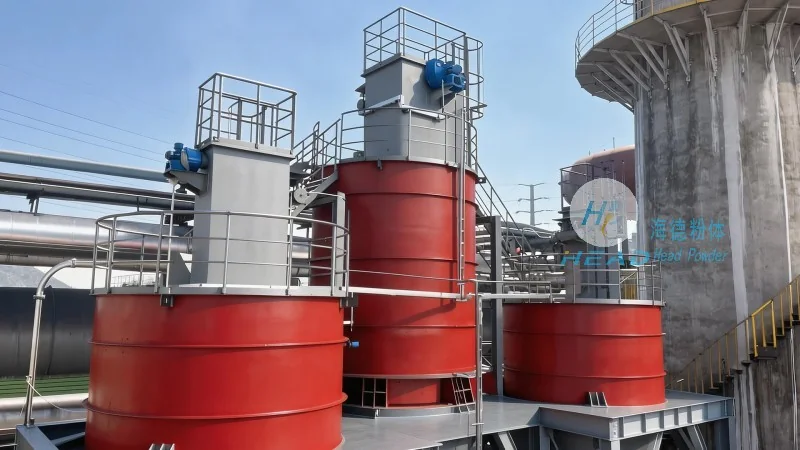
Conclusion: The Role of Polystyrene Material Conveying Systems in Modern Manufacturing
In conclusion, polystyrene material conveying systems play a vital role in the efficiency and safety of modern manufacturing processes. By understanding the core principles and working scene characteristics of these systems, industries can optimize their material handling operations. The expertise of companies like Shandong HeadPowder Engineering Co., Ltd. is instrumental in delivering tailored solutions that address the specific challenges of polystyrene handling. As manufacturing demands continue to evolve, the importance of reliable and efficient material conveying systems will only grow, making them an essential component of industrial operations.