

Principle and Working Scene Characteristics of Magnesium Silicate Powder Conveying Machine
For industries dealing with magnesium silicate powders, efficient and reliable material handling is crucial. The magnesium silicate powder conveying machine, a specialized equipment designed by Shandong HeadPowder Engineering Co., Ltd. (commonly known as HeadPowder), addresses the challenges of transporting these fine powders with precision and control. This article explores the fundamental principles behind its operation and the diverse working scenarios where it excels, providing insights into how it enhances productivity and product quality in various industrial settings.
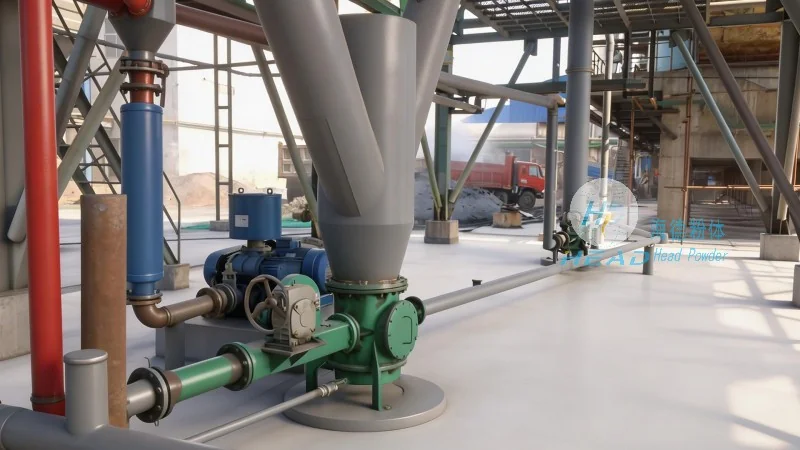
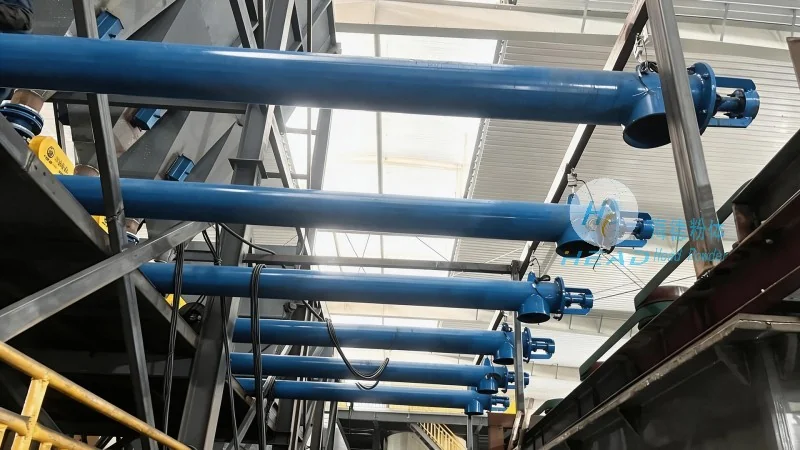
Working Principle of the Magnesium Silicate Powder Conveying Machine
The core of the magnesium silicate powder conveying machine lies in its advanced pneumatic or mechanical conveying system. The machine typically operates by creating a pressure differential to move the powder through a network of pipes. In pneumatic systems, compressed air is used to generate airflow that carries the powder particles, while mechanical systems rely on rotating components like screws or augers to push the material forward. The design incorporates features such as air filtration and particle separation to ensure the purity of the conveyed material. The system is engineered to handle the specific properties of magnesium silicate, including its fine particle size (often in the range of 1-100 microns) and potential for static electricity, which can affect material flow and equipment performance. Advanced models may also include temperature control and humidity regulation to maintain the material's integrity during transport. Additionally, modern machines are equipped with digital control systems that allow for real-time monitoring of flow rates, pressure, and other critical parameters. This enables operators to adjust the conveying process dynamically, optimizing performance based on production demands. The integration of sensors and feedback mechanisms ensures precise control, minimizing variations in material delivery and enhancing overall process stability.
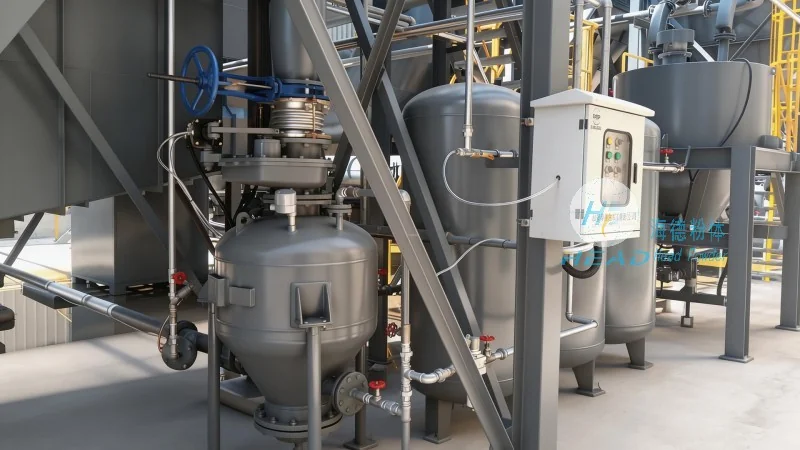
Key Working Scene Characteristics
The magnesium silicate powder conveying machine is particularly effective in several industrial applications. One primary working scene is in the production lines of refractory materials, where consistent and controlled delivery of magnesium silicate is essential for maintaining product quality. In this scenario, the machine ensures that the powder is transported without segregation or agglomeration, which could compromise the final product's performance. For example, in the manufacturing of fire-resistant bricks, the uniform distribution of magnesium silicate is critical to achieve the desired thermal stability. The machine's ability to maintain a consistent flow rate, even when handling varying moisture content in the powder, ensures that the bricks meet strict quality standards. Another key application is in the chemical industry, where the machine handles magnesium silicate used as a filler or additive in various formulations. Here, the equipment's ability to maintain a uniform flow rate is critical for achieving stable product characteristics, such as in the production of polymer composites or coatings. For instance, in the production of epoxy coatings, the precise delivery of magnesium silicate ensures the desired texture and durability of the final product. Additionally, in the construction sector, the machine is utilized for transporting magnesium silicate in the manufacturing of insulation materials or other building components. The machine's adaptability to different operating conditions, such as varying particle sizes and moisture levels, makes it suitable for these diverse working environments, ensuring consistent material handling across different production stages. This is particularly important in the production of mineral wool insulation, where the uniform distribution of magnesium silicate affects the insulation's thermal and acoustic properties.
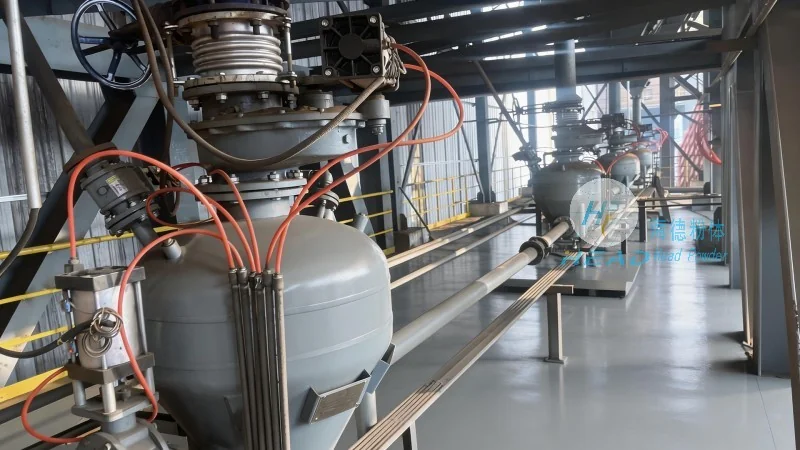
Advantages in Diverse Operational Environments
Shandong HeadPowder Engineering Co., Ltd.'s magnesium silicate powder conveying machine offers several advantages that make it a preferred choice in various working scenes. Firstly, its ability to handle fine powders without clogging or blockages is a significant benefit, especially when dealing with materials that have a tendency to stick to surfaces. The machine's design includes features like anti-static coatings and efficient cleaning mechanisms to prevent material buildup, ensuring continuous operation. Secondly, the system's energy efficiency is notable, as it minimizes power consumption while maintaining high conveying rates. This is particularly important in large-scale production facilities where operational costs are a key consideration, as it can lead to substantial cost savings over time. For example, a typical pneumatic conveying system can reduce energy consumption by up to 30% compared to traditional mechanical systems. Thirdly, the machine's flexibility in accommodating different conveying distances and heights allows it to be integrated into existing production lines without major modifications. This adaptability makes it suitable for both new installations and retrofitting in existing facilities, reducing the need for extensive re-engineering. The modular design of the machine allows for easy expansion or reconfiguration as production needs change. Lastly, the equipment's durability and low maintenance requirements contribute to its long-term cost-effectiveness, reducing downtime and maintenance expenses for the end-user. The robust construction, often made from corrosion-resistant materials like stainless steel or high-grade alloys, ensures longevity even in harsh industrial environments. Regular maintenance, such as cleaning the air filters and checking the rotating components, is straightforward and can be performed by in-house personnel, minimizing external service costs.