

Principle and Working Scene Characteristics of Wood Ash Powder Conveying Equipment
Wood ash, a byproduct of biomass combustion, is widely used in agriculture, environmental remediation, and industrial applications. The efficient handling and transportation of wood ash powder are critical for optimizing these processes. This article explores the principle and working characteristics of wood ash powder conveying equipment, focusing on its design, operational mechanisms, and typical application scenarios.
Introduction to Wood Ash Powder Conveying Equipment
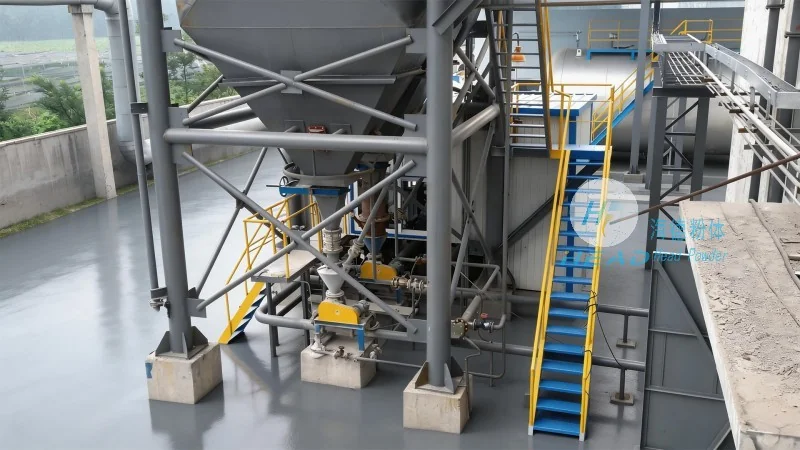
Wood ash powder conveying equipment is engineered to transport fine, dry powders like wood ash from one location to another. These systems are essential in facilities that process biomass, such as power plants, biomass boilers, and agricultural processing units. The equipment must handle the unique properties of wood ash, including its fine particle size, potential moisture content, and abrasive nature, while ensuring minimal dust generation and efficient material flow.
Key Components and Operational Principle
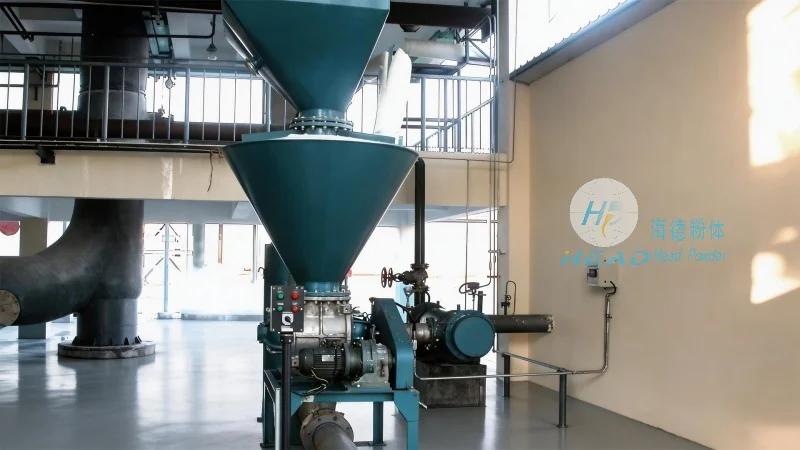
The core components of a wood ash powder conveying system typically include a hopper for material storage, a conveyor mechanism (e.g., pneumatic or mechanical), and a control system for regulating flow. The operational principle revolves around the movement of air or mechanical force to transport the powder. For pneumatic systems, compressed air is used to create a flow that carries the powder particles through a pipeline. Mechanical systems, such as screw conveyors or belt conveyors, rely on rotating components to push the material forward.
Design Considerations for Wood Ash Powder Handling
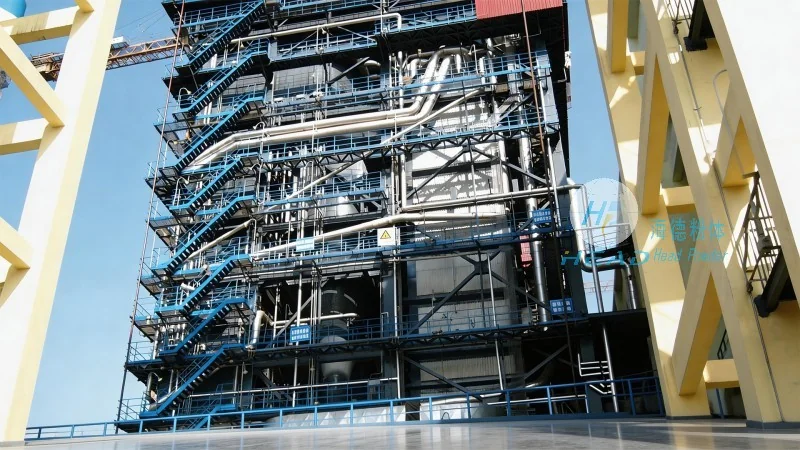
Designing wood ash powder conveying equipment requires careful consideration of several factors. First, the material's particle size distribution and density affect the choice of conveyor type. Fine particles may require pneumatic systems to prevent blockages, while larger particles might be better suited for mechanical conveyors. Second, the equipment must be constructed from materials resistant to corrosion and abrasion, as wood ash can be chemically reactive and physically abrasive. Stainless steel or specialized coatings are often used for the hopper and pipeline to ensure durability and longevity.
Working Scene Characteristics: Typical Applications
Wood ash powder conveying equipment is commonly used in various industrial and agricultural settings. In power plants, it facilitates the removal of ash from combustion chambers and its transport to storage or disposal sites. In agricultural applications, the equipment helps distribute wood ash as a soil amendment, improving soil fertility and structure. Additionally, in environmental remediation projects, the system aids in the transport of ash for land reclamation or waste management purposes.
Advantages of Wood Ash Powder Conveying Systems
Efficient wood ash powder conveying systems offer several advantages. They minimize dust exposure, enhancing workplace safety and reducing environmental impact. The systems also improve material handling efficiency, reducing labor costs and increasing throughput. Furthermore, by optimizing the transport process, these systems contribute to better overall operational performance and lower energy consumption.
Conclusion
Wood ash powder conveying equipment plays a vital role in the effective management of wood ash, supporting various industrial and agricultural applications. By understanding its operational principles and design considerations, users can select the most suitable system for their specific needs, ensuring efficient, safe, and cost-effective material transport. As the demand for sustainable biomass utilization grows, the importance of reliable wood ash powder conveying equipment will continue to increase, driving innovation in material handling technology.