CaC2 slag, a byproduct of the calcium carbide production process, poses unique challenges in handling and transportation due to its high moisture content, abrasive nature, and potential for dust generation. Traditional transport methods for such materials often involve bulk handling systems that may struggle with the specific properties of CaC2 slag, leading to inefficiencies and increased operational costs. In response to these challenges, various transport methods have been developed, each with its own set of advantages and limitations. This article explores common CaC2 slag transport methods and highlights the superior features of HeadPowder's pneumatic conveying system for handling this material efficiently.
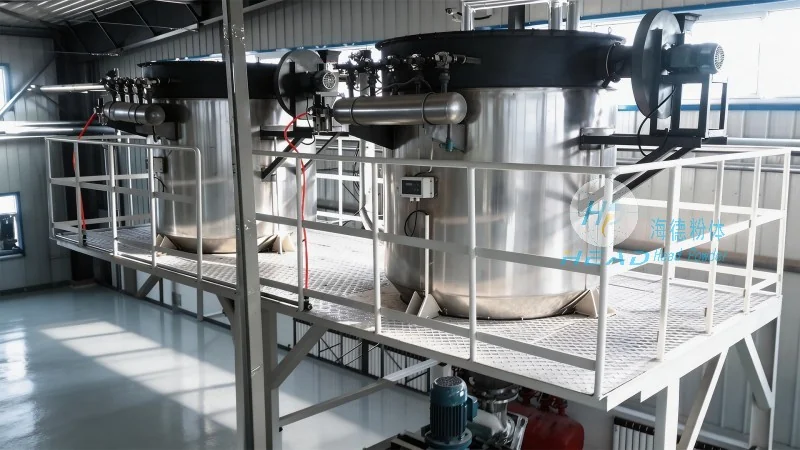
Common CaC2 Slag Transport Methods
Several conventional methods are employed for transporting CaC2 slag, including belt conveyors, screw conveyors, and hydraulic systems. Belt conveyors are widely used for horizontal or slightly inclined transport, offering a relatively simple and cost-effective solution. However, they may face issues with material buildup and wear due to the abrasive nature of CaC2 slag, requiring frequent maintenance and replacement of components. Screw conveyors, also known as auger conveyors, are suitable for vertical or inclined transport and can handle dry materials, but they are less effective for wet or sticky slag, as the material can adhere to the screw, causing blockages and reduced efficiency. Hydraulic systems, such as slurry pumps, are used for transporting CaC2 slag in slurry form, but they often require high-pressure pumps and may generate significant noise and vibration, leading to operational difficulties and higher energy consumption.
HeadPowder's Pneumatic Conveying System: Advantages for CaC2 Slag Handling
HeadPowder, a leading manufacturer of industrial material handling equipment based in Shandong, China, has developed a specialized pneumatic conveying system designed specifically for CaC2 slag. This system leverages the principles of air-based transport to move the material from the source to the destination without the need for mechanical components that are prone to wear and failure in abrasive environments. The system's design incorporates high-quality materials and advanced engineering to ensure durability and reliability in handling CaC2 slag.
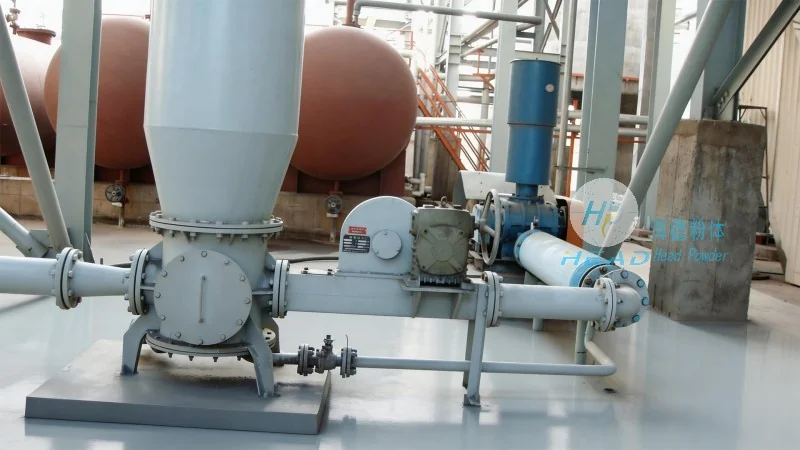
One of the key advantages of HeadPowder's pneumatic conveying system is its ability to handle both dry and wet CaC2 slag efficiently. Unlike traditional methods that may struggle with moisture content, the system uses a combination of positive and negative pressure air flow to maintain consistent material flow, preventing blockages and ensuring smooth operation. This feature is particularly beneficial for CaC2 slag, which often contains high moisture levels that can cause clumping and handling issues in other transport systems.
Another significant advantage is the system's low maintenance requirements. By eliminating mechanical components such as belts, screws, and pumps, the pneumatic conveying system reduces the need for frequent repairs and replacements. This not only lowers operational costs but also minimizes downtime, allowing for continuous and uninterrupted CaC2 slag transport. HeadPowder's system is engineered with robust materials, including stainless steel and wear-resistant components, to withstand the abrasive nature of CaC2 slag and extend the service life of the equipment.
Key Features of HeadPowder's Pneumatic Conveying System
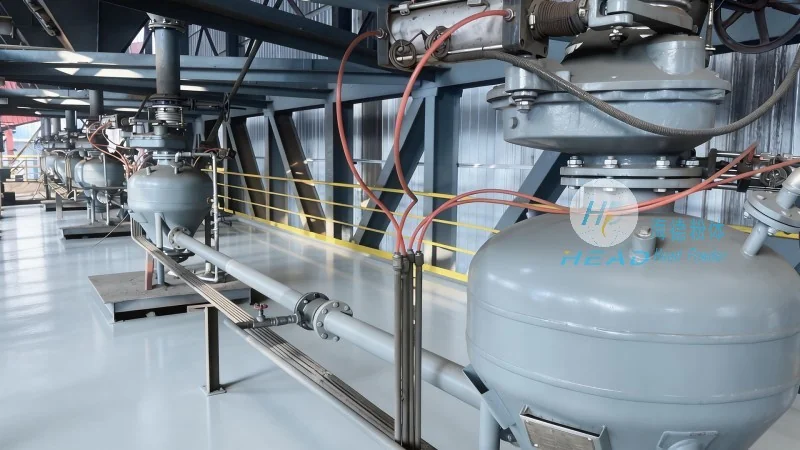
HeadPowder's CaC2 slag pneumatic conveying system is equipped with several features that enhance its performance and reliability. The system includes a high-capacity hopper with a built-in agitator to prevent material bridging and ensure consistent feeding. The hopper is designed with a sloped bottom and a discharge valve that allows for smooth material release into the conveying line. The conveying line itself is constructed from high-quality stainless steel, which is resistant to corrosion and wear caused by the acidic and abrasive properties of CaC2 slag.
The system utilizes a variable frequency drive (VFD) to control the air flow and pressure, enabling precise control over the material transport rate. This feature allows operators to adjust the conveying speed according to the specific requirements of the CaC2 slag, optimizing energy consumption and ensuring efficient transport. Additionally, the system includes a dust collection and filtration system to minimize air pollution and comply with environmental regulations. The filtration unit is equipped with high-efficiency particulate air (HEPA) filters, which capture fine particles and prevent dust emissions, making the system environmentally friendly and safe for operation.
Comparative Analysis: Pneumatic Conveying vs. Traditional Methods
When compared to traditional transport methods such as belt and screw conveyors, HeadPowder's pneumatic conveying system offers several distinct advantages. Belt conveyors, while cost-effective, require frequent maintenance due to material wear and may not handle wet or sticky CaC2 slag effectively. Screw conveyors, on the other hand, are prone to blockages and wear due to the abrasive nature of the material, leading to higher operational costs and downtime. Hydraulic systems, used for slurry transport, consume high energy and generate significant noise and vibration, which can be problematic in industrial settings.
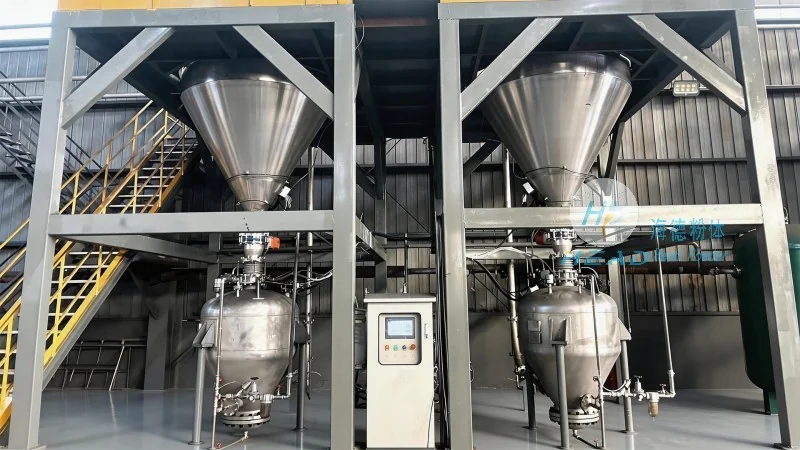
In contrast, HeadPowder's pneumatic conveying system provides a more efficient and reliable solution for CaC2 slag transport. The system's ability to handle both dry and wet materials, combined with its low maintenance requirements and environmental benefits, makes it a superior choice for industrial applications. The system's design is tailored to the specific challenges of CaC2 slag, ensuring that it operates efficiently and safely in demanding environments.
Conclusion
CaC2 slag transport is a critical aspect of calcium carbide production, and the choice of transport method significantly impacts operational efficiency and cost. While traditional methods such as belt and screw conveyors have been used for decades, they often struggle with the unique properties of CaC2 slag. HeadPowder's pneumatic conveying system offers a modern and effective solution that addresses these challenges through advanced engineering and robust design. By leveraging the principles of air-based transport, the system provides efficient, low-maintenance, and environmentally friendly handling of CaC2 slag, making it an ideal choice for industrial applications. As a leading manufacturer based in Shandong, China, HeadPowder continues to innovate in material handling technology, providing reliable solutions for the challenges faced by industries dealing with CaC2 slag.




