

Principles and Working Scene Characteristics of Low-Pressure Pneumatic Conveying System Equipment
HeadPowder, a leading provider of industrial conveying solutions, specializes in low-pressure pneumatic conveying systems. These systems are engineered to efficiently transport bulk materials over short to medium distances, offering a reliable alternative to traditional mechanical conveying methods. The company, based in Shandong, China, has established itself as a trusted partner for businesses seeking efficient material handling solutions.
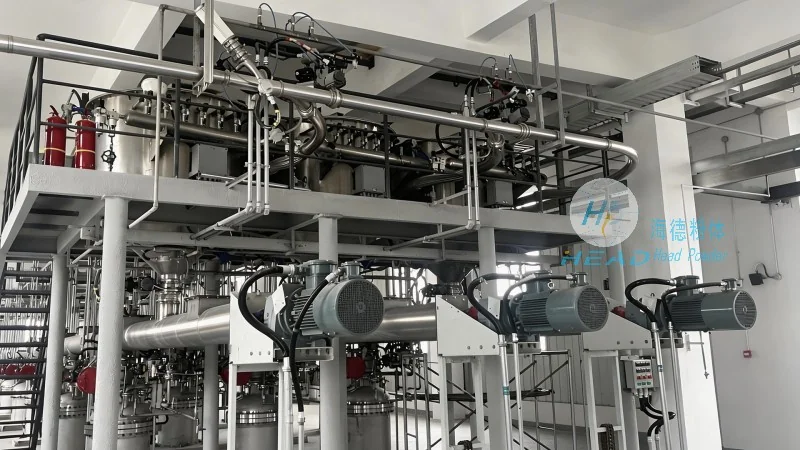
Understanding the Core Principles of Low-Pressure Pneumatic Conveying
Low-pressure pneumatic conveying systems operate on the fundamental principle of using air pressure to move materials through a closed pipeline network. Unlike high-pressure systems, which rely on high velocity air to push material, low-pressure systems utilize lower air velocities and pressures, typically ranging from 0.5 to 1.5 bar. This approach minimizes energy consumption while maintaining effective material transport. The system typically consists of a blower, a hopper for material storage, a conveying line, and a discharge point. The blower generates the necessary airflow, which draws material from the hopper into the pipeline. As the material travels through the line, it is suspended by the air stream and delivered to the destination. This method is particularly effective for handling fine powders, granules, and other dry bulk materials that are prone to caking or bridging in traditional systems.
Key Working Scene Characteristics and Applications
The working scene characteristics of low-pressure pneumatic conveying systems are tailored to meet diverse industrial needs. These systems are commonly employed in industries such as food processing, pharmaceuticals, chemicals, and minerals. For instance, in food processing facilities, low-pressure systems are used to transport flour, sugar, and other dry ingredients with minimal risk of contamination or degradation. In pharmaceutical applications, the systems ensure that powders are handled in a sterile environment, adhering to stringent quality and safety standards. The gentle handling of materials in low-pressure systems also reduces product degradation, making them ideal for sensitive products like spices, herbs, and vitamins.
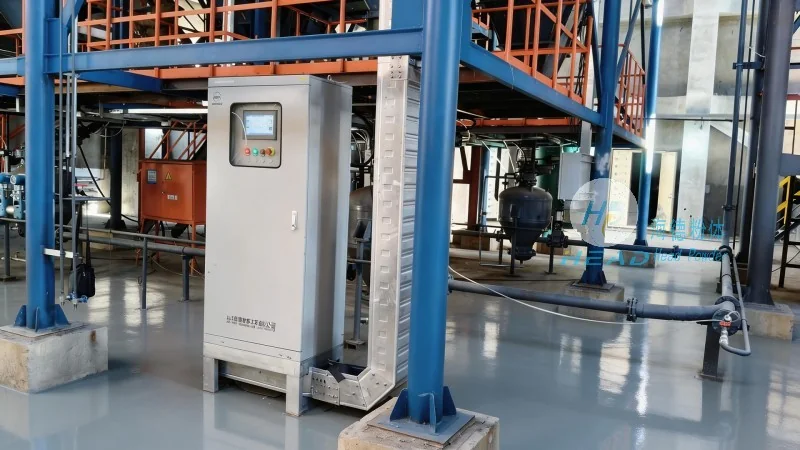
Advantages in Diverse Operational Environments
Low-pressure pneumatic conveying systems excel in various operational environments due to their adaptability and efficiency. They are suitable for both indoor and outdoor applications, with the ability to handle materials in different states—dry, moist, or even slightly sticky. The system's design allows for easy integration into existing production lines, reducing downtime and installation costs. Additionally, the closed pipeline system prevents dust emissions, enhancing workplace safety and compliance with environmental regulations. The flexibility of low-pressure systems also enables them to handle varying material types and flow rates, making them a versatile solution for businesses with fluctuating production demands.
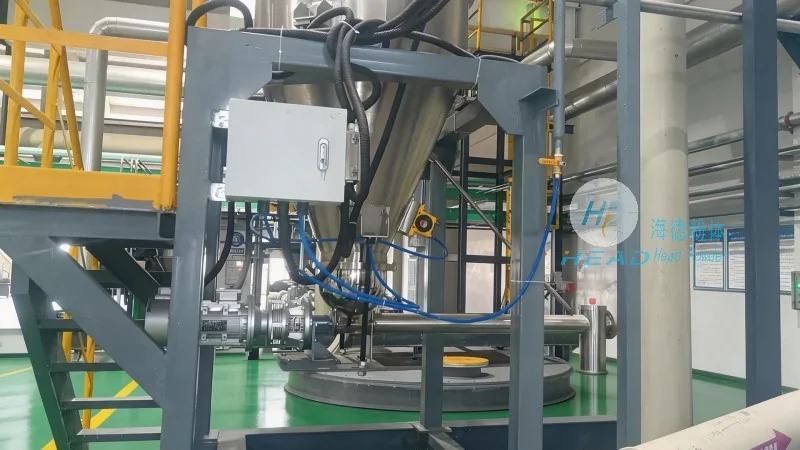
Customization and Scalability for Specific Industry Needs
HeadPowder recognizes that each industrial application has unique requirements. Therefore, the company offers customized low-pressure pneumatic conveying solutions tailored to specific client needs. Whether it's a small-scale operation or a large-scale production facility, the systems can be scaled to accommodate varying material volumes and processing speeds. The company's engineering team works closely with clients to assess their operational requirements, material characteristics, and space constraints to design an optimal conveying system. This approach ensures that the final solution is not only efficient but also cost-effective and easy to maintain. By leveraging advanced technology and years of industry experience, HeadPowder delivers systems that meet the highest standards of performance and reliability.
Conclusion: The Role of Low-Pressure Pneumatic Conveying in Modern Material Handling
In conclusion, low-pressure pneumatic conveying systems represent a sophisticated and efficient solution for modern material handling challenges. With their ability to handle a wide range of materials, adapt to diverse operational environments, and provide customized solutions, these systems are indispensable in various industries. HeadPowder, with its expertise and commitment to quality, continues to provide top-tier low-pressure pneumatic conveying systems that enhance operational efficiency and productivity. As businesses strive for more sustainable and efficient operations, low-pressure pneumatic conveying systems remain a key component in achieving these goals.