

Principles and Working Scene Characteristics of Alumina Crystal Pneumatic Conveying
Alumina, a critical material in various industrial applications, often requires efficient and reliable handling methods. Pneumatic conveying stands out as a sophisticated solution for transporting alumina crystals, offering advantages such as minimal contamination, energy efficiency, and the ability to handle fine powders. This article delves into the fundamental principles of alumina crystal pneumatic conveying and explores the key characteristics of its operational environments.
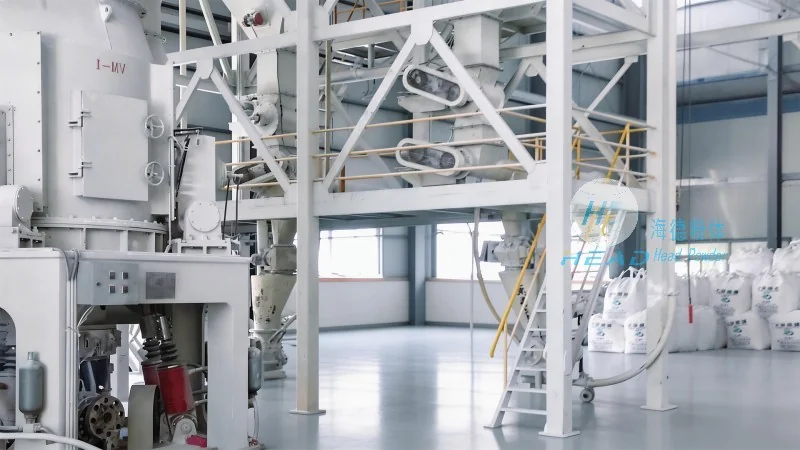
Company Overview: Shandong HeadPowder Engineering Co., Ltd.
Shandong HeadPowder Engineering Co., Ltd., commonly known as HeadPowder, is a leading provider of specialized engineering solutions for material handling and processing. With a strong focus on innovation and quality, the company has established itself as a trusted partner in the alumina and related industries. HeadPowder's expertise lies in designing and implementing advanced pneumatic conveying systems tailored to meet the unique demands of its clients. The company's operational base is located in Shandong, China, where it leverages local resources and industry knowledge to deliver cutting-edge solutions.
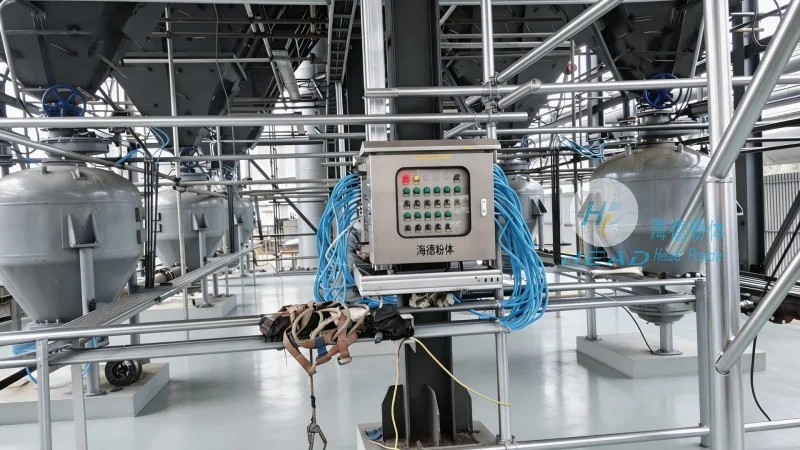
The Core Principles of Pneumatic Conveying for Alumina Crystals
Pneumatic conveying operates by using air or gas to transport solid materials through a pipeline system. In the case of alumina crystals, the process involves several key principles that ensure effective and safe material movement. First, the system relies on the creation of a pressure differential between the conveying line and the ambient environment. This differential is typically achieved through the use of blowers or compressors, which generate the necessary airflow to move the crystals. The velocity of the air is carefully controlled to ensure that the alumina particles are entrained and transported without causing excessive wear or degradation. Additionally, the design of the conveying line, including the selection of appropriate pipe diameters and the incorporation of bends and fittings, plays a crucial role in maintaining the efficiency of the system. The use of appropriate air velocities and pressure levels is essential to prevent material deposition or blockages, which can lead to system inefficiencies and downtime.
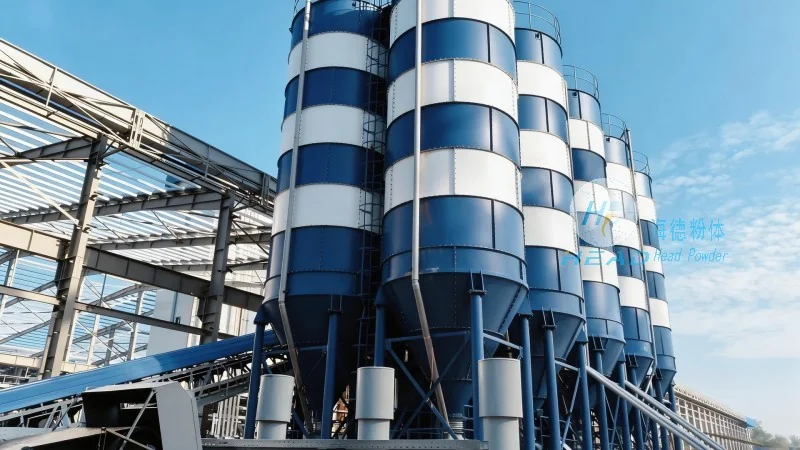
Working Scene Characteristics of Alumina Crystal Pneumatic Conveying
The operational environments for alumina crystal pneumatic conveying systems exhibit distinct characteristics that influence their design and performance. These characteristics include the physical properties of the alumina crystals, such as their particle size, density, and flowability, as well as the specific requirements of the industrial processes they support. For instance, in applications involving high-purity alumina, the system must be designed to minimize contamination and maintain product integrity. This often involves the use of closed-loop systems and specialized filtration to ensure that the crystals remain free from impurities. The working environment may also involve varying temperatures and humidity levels, which can affect the behavior of the alumina particles and the performance of the conveying equipment. Additionally, the scale of the operation, whether it is a small-scale laboratory setup or a large-scale industrial plant, influences the system's design parameters, including the capacity and the complexity of the conveying network.
Advantages and Applications in Industrial Settings
Alumina crystal pneumatic conveying systems offer several advantages that make them suitable for a wide range of industrial applications. These include the ability to handle fine powders without the need for mechanical components, which reduces maintenance requirements and operational costs. The systems are also highly flexible, allowing for easy integration into existing production lines and the ability to transport materials over long distances with minimal energy consumption. In the alumina industry, these systems are commonly used in processes such as raw material handling, product transfer between processing stages, and packaging. The reliability and efficiency of pneumatic conveying make it an ideal choice for applications where product quality and consistency are paramount. Furthermore, the systems can be customized to meet specific operational needs, including the handling of abrasive or corrosive materials, ensuring that they can withstand the demands of various industrial environments.
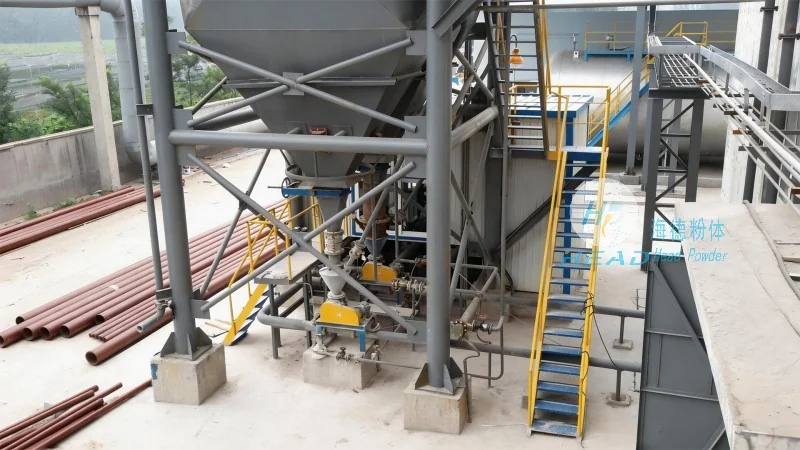
Conclusion and Future Outlook
Alumina crystal pneumatic conveying is a vital technology in the modern alumina processing industry, offering efficient and reliable solutions for material handling. With the expertise of companies like Shandong HeadPowder Engineering Co., Ltd., these systems can be tailored to meet the unique requirements of different applications. As industrial demands continue to evolve, the development of advanced pneumatic conveying systems will likely focus on improving energy efficiency, enhancing material handling capabilities, and ensuring greater sustainability. The continued innovation in this field will undoubtedly contribute to the growth and efficiency of the alumina industry, supporting its role in various high-tech applications.