

Working Principle and Characteristics of Lithium Carbonate Powder Pneumatic Conveying
Understanding the working principle and characteristics of lithium carbonate powder pneumatic conveying is crucial for optimizing material handling processes in industrial applications. This article provides a detailed overview of the key aspects involved in this technology, focusing on the mechanisms and advantages that make it an effective solution for transporting lithium carbonate powder.
Introduction to Lithium Carbonate Powder Pneumatic Conveying
Lithium carbonate is a critical raw material widely used in the production of lithium-ion batteries, pharmaceuticals, and other high-tech industries. Efficient and reliable transportation of this fine powder is essential to maintain production efficiency and product quality. Pneumatic conveying offers a non-contact, low-maintenance method for moving lithium carbonate powder from one location to another, eliminating the need for mechanical components that can cause contamination or wear.
The Working Principle of Lithium Carbonate Powder Pneumatic Conveying
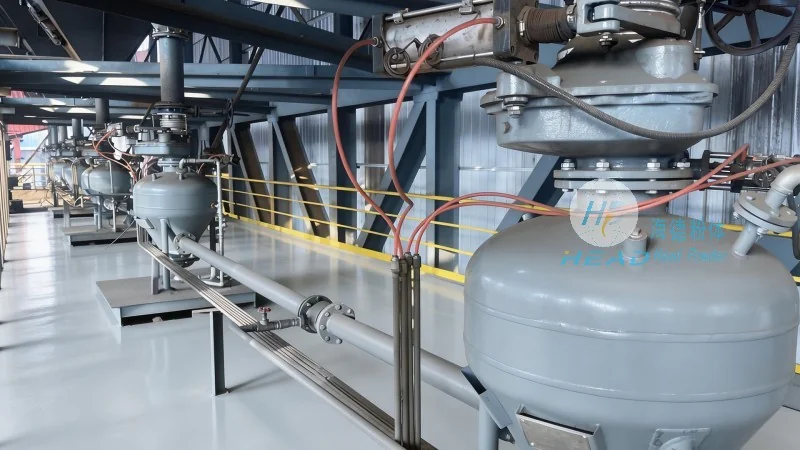
Pneumatic conveying systems operate by using compressed air or gas to transport solid particles through a pipeline. In the case of lithium carbonate powder, the system typically consists of a hopper, a conveyor line, and a receiver. The process begins when the powder is fed into the hopper. Compressed air is then introduced into the system, creating a flow that lifts and transports the powder particles through the pipeline. The velocity of the air is carefully controlled to ensure that the powder remains suspended and moves smoothly without clogging or settling.
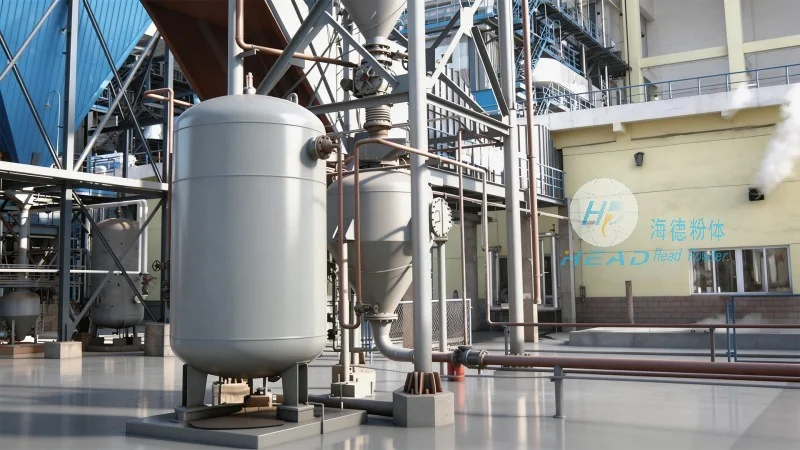
Key components of the system include the air compressor, which provides the necessary pressure to generate the conveying air flow. The hopper is designed to store the lithium carbonate powder and feed it into the pipeline at a controlled rate. The pipeline itself is usually made of materials resistant to corrosion and abrasion, such as stainless steel or polyethylene, to withstand the abrasive nature of the powder. The receiver at the end of the pipeline collects the conveyed powder and may include a filter to remove any fine particles that may have escaped the conveying process.
Key Characteristics and Advantages of Lithium Carbonate Powder Pneumatic Conveying
Several distinct characteristics make pneumatic conveying an attractive option for lithium carbonate powder handling:
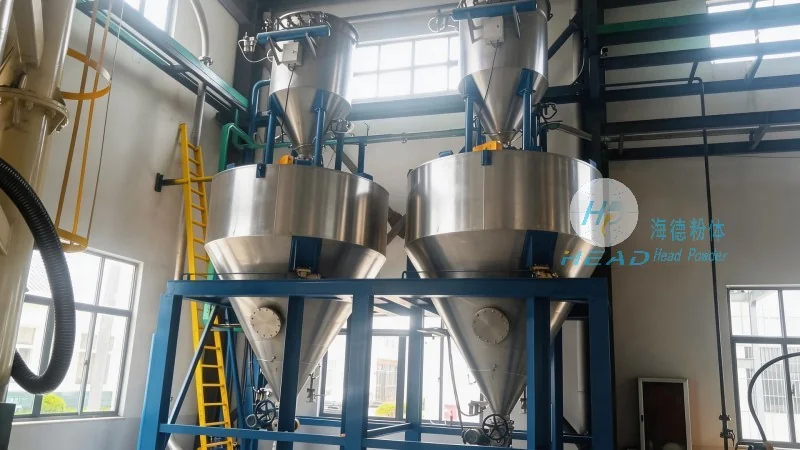
- Non-Contact Transport: Unlike mechanical conveyors, pneumatic systems do not use physical contact between the powder and the conveying equipment. This eliminates the risk of contamination from metal parts or other materials, which is particularly important for pharmaceutical or food-grade applications.
- Low Maintenance: Pneumatic conveying systems have fewer moving parts compared to mechanical systems, reducing the need for regular maintenance and minimizing downtime. The absence of belts, chains, or gears also reduces the risk of mechanical failure.
- Flexibility in Layout: The system can be easily reconfigured to accommodate changes in production layout or to integrate with existing equipment. The pipeline can be installed in various configurations, including vertical, horizontal, or a combination of both, to suit the specific requirements of the facility.
- Reduced Dust and Contamination: Pneumatic conveying systems are enclosed, which helps to contain dust and prevent it from escaping into the environment. This not only improves workplace safety but also reduces the risk of product contamination and environmental impact.
- Energy Efficiency: Modern pneumatic conveying systems are designed to be energy-efficient, with adjustable air flow rates that minimize energy consumption while maintaining optimal conveying performance. This helps to reduce operational costs and lower the carbon footprint of the process.
Applications and Industries Utilizing Lithium Carbonate Powder Pneumatic Conveying
Lithium carbonate powder pneumatic conveying is widely used in various industries due to its versatility and effectiveness. Some of the key applications include:
- Battery Manufacturing: Lithium carbonate is a primary component in lithium-ion batteries, and efficient conveying is essential to ensure a steady supply of raw material to the production line. Pneumatic systems are used to transport the powder from storage to the battery cell manufacturing process.
- Pharmaceutical Industry: In pharmaceutical applications, the purity and quality of lithium carbonate are critical. Pneumatic conveying helps to maintain the integrity of the powder by preventing contamination and ensuring consistent particle size distribution.
- Chemical Processing: Lithium carbonate is used in the production of various chemicals, and pneumatic conveying systems are employed to move the powder between different processing stages, such as mixing, drying, and packaging.
- Food and Nutrition: Although less common, lithium carbonate is sometimes used as a nutritional supplement or in food processing. Pneumatic conveying ensures that the powder is handled hygienically and without contamination, meeting the strict standards of the food industry.
Conclusion and Company Overview
Pneumatic conveying of lithium carbonate powder offers significant advantages in terms of efficiency, safety, and cost-effectiveness. By understanding the working principles and characteristics of this technology, manufacturers can optimize their material handling processes and improve overall production performance. Shandong HeadPowder Engineering Co., Ltd., a leading provider of powder handling solutions, specializes in designing and manufacturing customized pneumatic conveying systems tailored to the specific needs of lithium carbonate powder applications. With a focus on quality, reliability, and innovation, HeadPowder Engineering helps industries achieve efficient and safe transportation of lithium carbonate powder, supporting the growth of the lithium-based industries.