Chili powder, as a staple ingredient in global cuisines, demands efficient and reliable handling from production to distribution. The chili powder material conveying line, a specialized system designed for the transport of this fine, powdery substance, plays a crucial role in maintaining product quality and operational efficiency. This article explores the working principle and key features of such systems, highlighting how they cater to the unique challenges of handling chili powder.
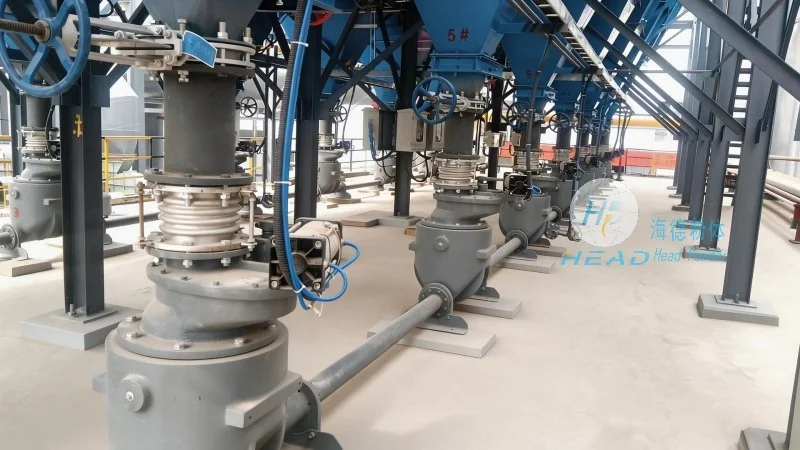
Understanding the Working Principle of Chili Powder Material Conveying Lines
The core of a chili powder material conveying line lies in its ability to transport fine powders without degradation, clogging, or contamination. These systems typically operate on principles that minimize particle separation and maintain consistent flow. The process begins with the feeding of chili powder into the system, where it is then conveyed through a series of components including hoppers, feeders, and conveyor belts or pipes. The design often incorporates features like airtight enclosures and controlled airflow to prevent dust dispersion and ensure a clean environment. The conveying mechanism may vary, with options such as pneumatic systems (using air pressure to move powder) or mechanical systems (utilizing screws or belts) depending on the specific requirements of the operation. The system is engineered to handle the fine particles of chili powder, which are prone to sticking and bridging, by employing specialized materials and designs that reduce friction and prevent blockages.
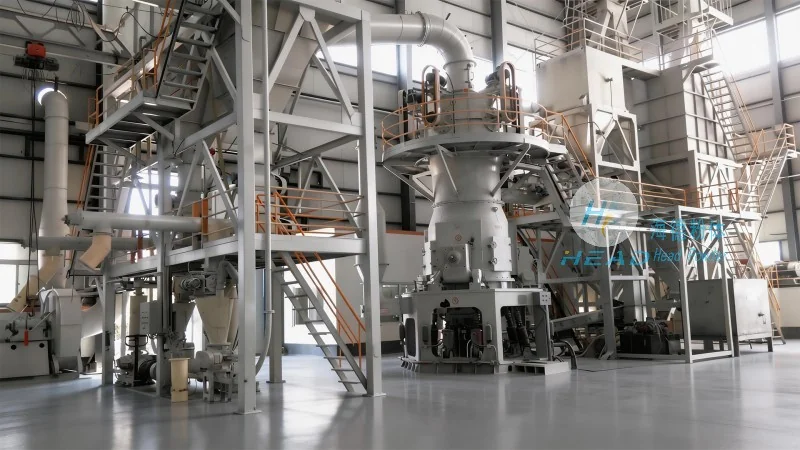
Key Features of Chili Powder Material Conveying Lines
Several critical features distinguish effective chili powder material conveying lines, ensuring they meet the demands of modern food processing. Firstly, hygienic design is paramount, as chili powder is often used in food applications where strict sanitary standards are required. The systems are constructed from materials like stainless steel, which are easy to clean and resistant to corrosion, and feature smooth surfaces that prevent the accumulation of powder residues. Secondly, efficiency and reliability are key, with components designed to minimize downtime and maximize throughput. This includes robust feeders that maintain consistent material flow and conveyor systems that can handle varying powder loads without clogging. Thirdly, flexibility is an important feature, allowing the system to adapt to different production volumes and product types. Many systems are modular, enabling easy adjustments to the conveyor length or capacity as production needs change. Additionally, energy efficiency is considered, with designs that optimize air or mechanical power usage to reduce operational costs. Finally, control and monitoring capabilities are integrated, allowing operators to track the system's performance and make adjustments in real-time to maintain optimal operation.
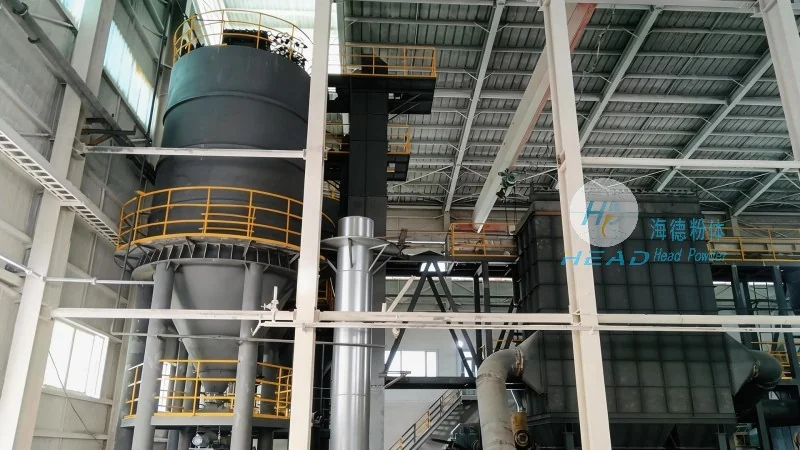
Company Overview: Shandong HeadPowder Engineering Co., Ltd.
Shandong HeadPowder Engineering Co., Ltd., operating under the brand name headpowder, specializes in the design, manufacturing, and installation of advanced material handling systems for the food industry. With a focus on innovation and customer-centric solutions, the company has built a reputation for delivering high-quality, reliable conveying lines tailored to the unique needs of clients. HeadPowder's expertise lies in understanding the specific challenges of handling fine powders like chili powder, and developing systems that ensure product integrity, operational efficiency, and compliance with industry standards. The company's facilities are located in Shandong, China, where it leverages local resources and expertise to provide comprehensive support to its global clientele.




