

Working Principle and Features of a Quantitative Weighing Pneumatic Conveying Machine
Quantitative weighing pneumatic conveying machines are advanced industrial equipment designed to transport bulk materials with precise weight control. These systems integrate pneumatic conveying technology with high-precision weighing mechanisms, enabling accurate measurement and delivery of materials in controlled quantities. The core functionality revolves around the seamless combination of air flow and weight measurement, ensuring consistent and reliable material handling in various industrial applications.
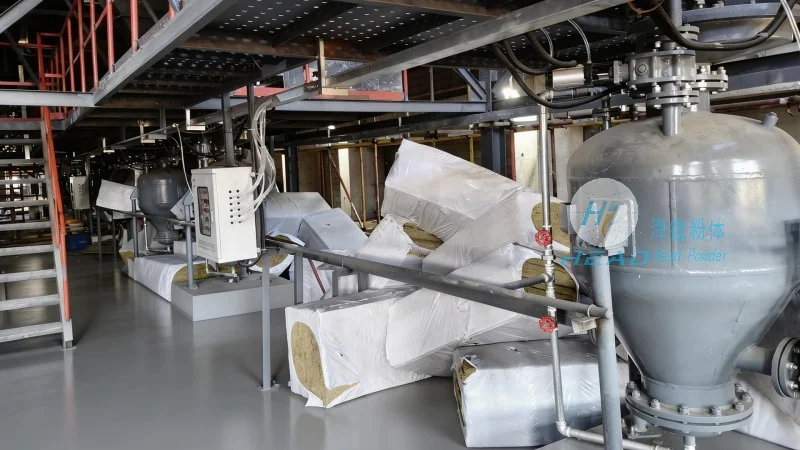
Working Principle of Quantitative Weighing Pneumatic Conveying Machines
The operation of a quantitative weighing pneumatic conveying machine begins with the intake of bulk materials into the system. A blower or compressor generates the necessary air pressure to create a flow that propels the material through the conveying pipeline. Simultaneously, the material passes through a weighing hopper or scale, which measures the mass of the material being conveyed. The system uses sensors and control units to monitor the weight in real-time, adjusting the air flow or material feed rate to maintain the desired weight per batch. This closed-loop control system ensures that each batch of material is delivered with the exact weight specified, eliminating over or under-dosing and improving process efficiency.
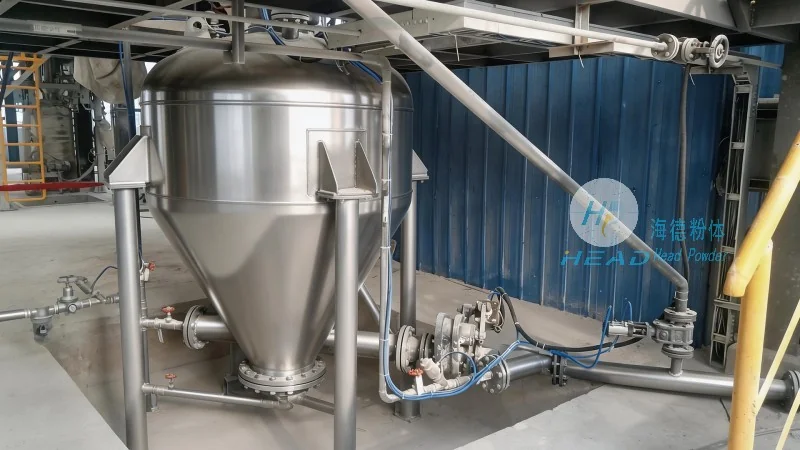
Key Features and Advantages
Shandong HeadPowder Engineering Co., Ltd. (headpowder), headquartered in Shandong, China, offers quantitative weighing pneumatic conveying machines with several notable features that enhance performance and reliability. One of the primary advantages is the high precision of the weighing system, which can achieve accuracy levels down to ±0.1% of the total weight, making it suitable for applications requiring strict dosage control, such as pharmaceuticals, food processing, and chemical manufacturing. The machines are also equipped with automated control systems that can be integrated with existing production lines, reducing manual intervention and labor costs. Additionally, the design allows for flexible material handling, accommodating a wide range of bulk materials, including powders, granules, and fine particles, without the need for extensive modifications to the equipment.
Applications and Industrial Use Cases
Quantitative weighing pneumatic conveying machines are widely used in industries where precise material dosing is critical. In the pharmaceutical industry, these systems ensure that active ingredients are delivered in exact quantities, meeting regulatory standards for drug formulation. In food processing, they help maintain consistent product quality by controlling the amount of ingredients added to products like snacks, beverages, and baked goods. The chemical industry also benefits from these machines, as they enable accurate measurement of raw materials for reactions, reducing waste and improving product consistency. Furthermore, the equipment is suitable for applications in the agricultural sector, such as handling fertilizers or animal feed, where uniform distribution is essential for optimal crop growth or animal nutrition.
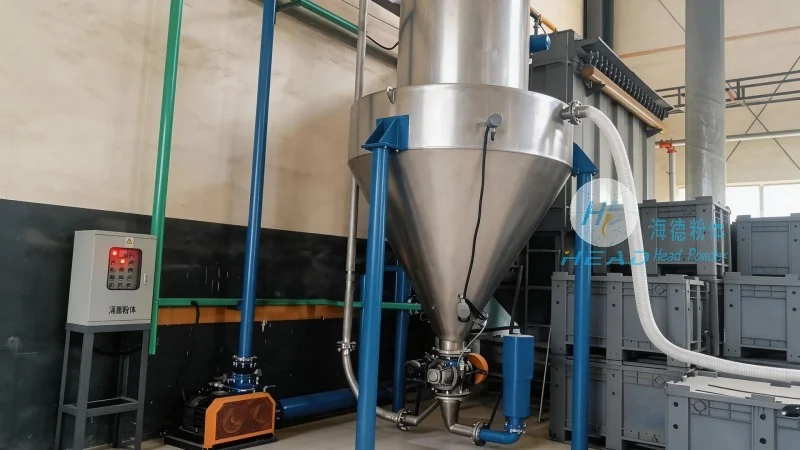
Reliability and Maintenance Considerations
The quantitative weighing pneumatic conveying machines from headpowder are built with durable components to withstand the demands of continuous industrial operation. The weighing hoppers and scales are constructed from corrosion-resistant materials, ensuring long-term performance even with abrasive or corrosive materials. Regular maintenance involves checking the air pressure system, calibrating the weighing sensors, and inspecting the conveying pipeline for blockages or wear. The company provides comprehensive support, including technical guidance and spare parts availability, to minimize downtime and ensure the equipment operates at peak efficiency. By adhering to proper maintenance protocols, users can extend the lifespan of the machinery and maintain consistent performance over time.