

What is Magnesium Oxide Powder Material Pneumatic Conveying Equipment? What are the Design Principle
Pneumatic conveying equipment represents a sophisticated solution for the efficient and reliable transport of bulk materials, particularly in industries dealing with fine powders such as magnesium oxide. For manufacturers and processors of magnesium oxide powder, selecting the right pneumatic conveying system is crucial to ensure optimal performance, minimize downtime, and maintain product quality. This article delves into the fundamental aspects of pneumatic conveying equipment tailored for magnesium oxide powder, exploring its design principles and the technical considerations that make it an indispensable asset in modern material handling operations.
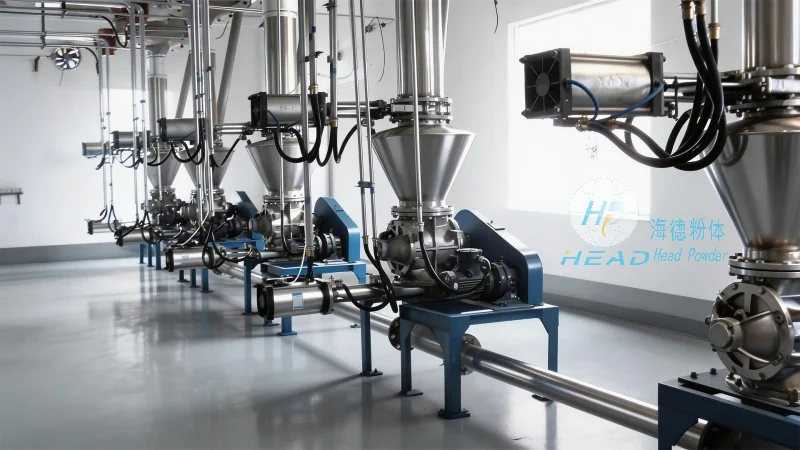
Understanding the Core Function of Pneumatic Conveying Systems
At its essence, pneumatic conveying systems utilize air or gas to transport solid materials through a pipeline network. Unlike traditional mechanical conveying methods, which rely on physical contact and friction, pneumatic systems employ differential pressure to move materials. In the case of magnesium oxide powder, which is known for its fine particle size and potential for dust generation, pneumatic conveying offers several advantages. It provides a closed system that prevents dust contamination, reduces the risk of product degradation, and enables precise control over material flow rates. The core function of these systems is to convert the kinetic energy of the air stream into the necessary force to lift and move the powder from the source to the destination, ensuring a seamless and continuous process.
Design Principles Underpinning Efficient Material Handling
The design of pneumatic conveying equipment for magnesium oxide powder is governed by several key principles that ensure efficiency, reliability, and adaptability. First, the system must be tailored to the specific properties of magnesium oxide, including its particle size distribution, bulk density, and flow characteristics. The choice between positive pressure, negative pressure, or a combination of both depends on factors such as the distance to be covered, the number of transfer points, and the required flow rate. For magnesium oxide, which is often a fine powder with a tendency to agglomerate, the system design must incorporate features like air classifiers, cyclones, and vibration feeders to maintain consistent particle size and prevent blockages.
Second, the material of construction is critical. Magnesium oxide is a corrosive and abrasive material, so the conveying equipment must be made from materials that can withstand both chemical and mechanical stress. Stainless steel, high-grade alloys, and specialized coatings are commonly used to protect the system from wear and corrosion. The pipeline design, including the use of smooth, non-porous surfaces and appropriate bends and elbows, minimizes friction and reduces the risk of material buildup. Additionally, the system must be equipped with pressure relief valves, filters, and dust collection systems to ensure safe and efficient operation.
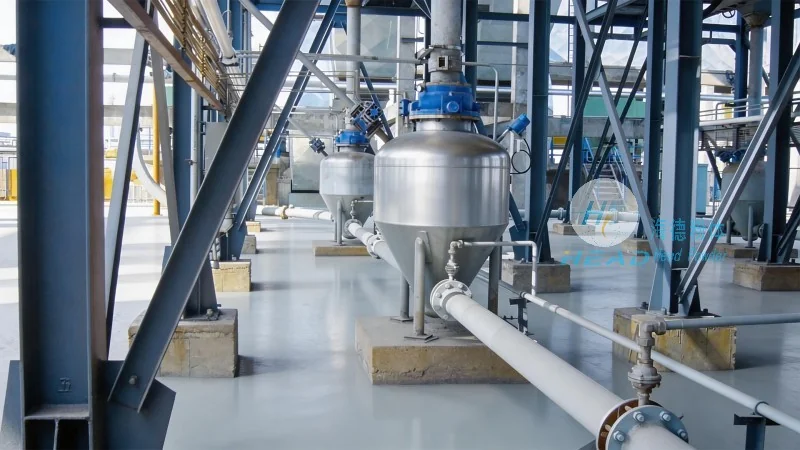
Third, the control and monitoring systems play a vital role in optimizing performance. Modern pneumatic conveying systems utilize advanced sensors and control panels to monitor parameters such as pressure, flow rate, and temperature in real-time. This allows operators to adjust the system settings dynamically, ensuring that the conveying process remains efficient even when faced with variations in material feed or system load. The integration of automation and digital controls also enhances the overall reliability and reduces the need for manual intervention, leading to lower operational costs and improved product quality.
Company Profile: Shandong HeadPowder Engineering Co., Ltd.
Shandong HeadPowder Engineering Co., Ltd., commonly known as HeadPowder, is a leading manufacturer and supplier of specialized pneumatic conveying equipment for industrial applications. With a strong focus on innovation and customer-centric solutions, HeadPowder has established itself as a trusted partner for companies dealing with fine powders like magnesium oxide. The company's headquarters is located in Shandong, China, where it leverages advanced manufacturing capabilities and a team of experienced engineers to develop high-quality, customized solutions.
HeadPowder's commitment to quality is evident in its adherence to international standards and rigorous testing protocols. The company's product line includes a range of pneumatic conveying systems, from simple single-line systems to complex multi-point transfer networks. Each system is designed to meet the specific requirements of the client, taking into account factors such as the material properties, operational conditions, and budget constraints. The company's technical team works closely with clients to understand their unique challenges and provide tailored solutions that enhance productivity and reduce operational costs.
Technical Advantages and Application Scenarios
The pneumatic conveying equipment designed by HeadPowder for magnesium oxide powder offers several technical advantages that make it superior to traditional conveying methods. One of the key benefits is the ability to handle fine powders without the risk of dust contamination or product degradation. The closed system design ensures that the material remains within the pipeline, preventing exposure to the environment and maintaining its purity. This is particularly important for magnesium oxide, which is used in applications such as refractory materials, coatings, and pharmaceuticals, where product quality is paramount.
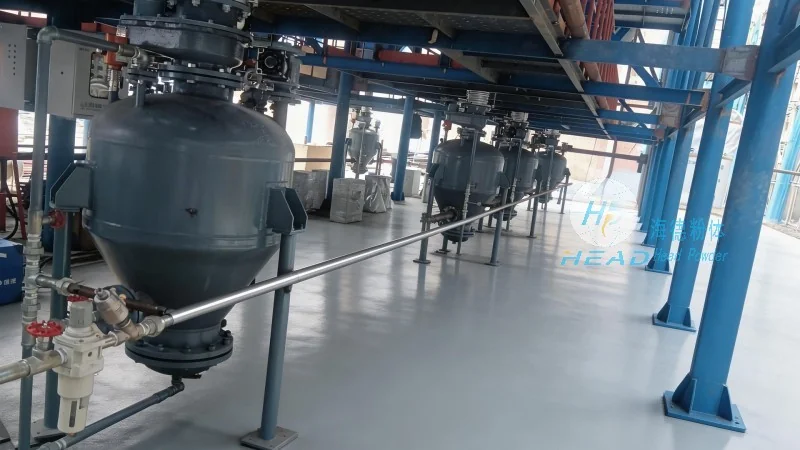
Another advantage is the flexibility and scalability of the system. HeadPowder's pneumatic conveying equipment can be easily expanded or modified to accommodate changes in production volume or process requirements. This adaptability makes it suitable for a wide range of applications, from small-scale laboratory operations to large-scale industrial production lines. The system's ability to handle varying flow rates and transfer distances also makes it a versatile solution for different industrial settings.
In terms of application scenarios, the pneumatic conveying equipment for magnesium oxide powder is widely used in various industries. In the refractory industry, it is used to transport magnesium oxide raw materials to the production lines, ensuring a consistent and efficient supply. In the chemical industry, it is employed to convey magnesium oxide as a filler or additive in the manufacturing of coatings and paints. The pharmaceutical industry also utilizes these systems to handle magnesium oxide as a raw material for drug formulations, where purity and contamination control are critical.
Overall, the pneumatic conveying equipment designed by Shandong HeadPowder Engineering Co., Ltd. represents a reliable and efficient solution for the transportation of magnesium oxide powder. By adhering to sound design principles and leveraging advanced technology, the company provides systems that meet the highest standards of performance and reliability, making it a preferred choice for companies seeking to optimize their material handling processes.