

What is a Manganese Sulfate Powder Pneumatic Conveying Machine? And What Are Its Design Principles?
For industries dealing with manganese sulfate powder, efficient and reliable material handling is crucial. A pneumatic conveying machine specifically designed for this application plays a vital role in ensuring smooth operations. This article explores the concept of a manganese sulfate powder pneumatic conveying machine and delves into its underlying design principles, providing insights into how such equipment enhances productivity and safety in material transport processes.
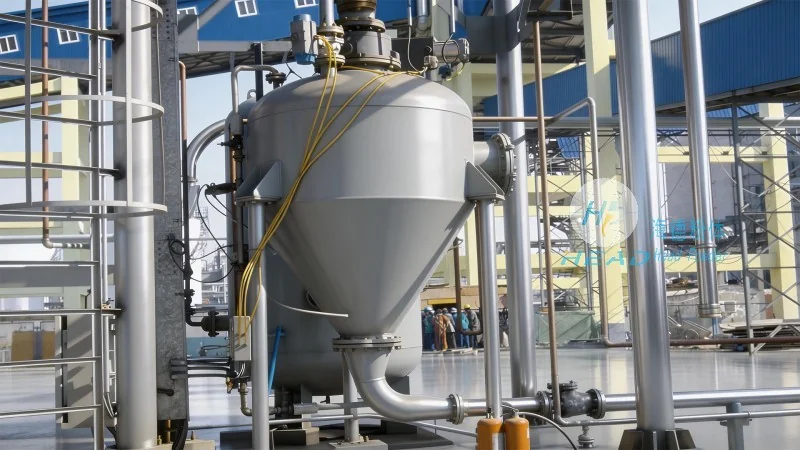
Understanding the Core Function of the Manganese Sulfate Powder Pneumatic Conveying Machine
The primary function of a manganese sulfate powder pneumatic conveying machine is to transport dry powder materials, such as manganese sulfate, through an enclosed system using air or gas as the conveying medium. Unlike traditional mechanical conveyors, which rely on mechanical components like belts or screws, pneumatic systems utilize air pressure to move the powder. This method offers several advantages, including the ability to handle fine powders without causing dust accumulation or product degradation, which is particularly important for sensitive materials like manganese sulfate.
Key Design Principles Behind the Manganese Sulfate Powder Pneumatic Conveying Machine
The design of a manganese sulfate powder pneumatic conveying machine is based on several critical principles that ensure optimal performance and efficiency. These principles include:
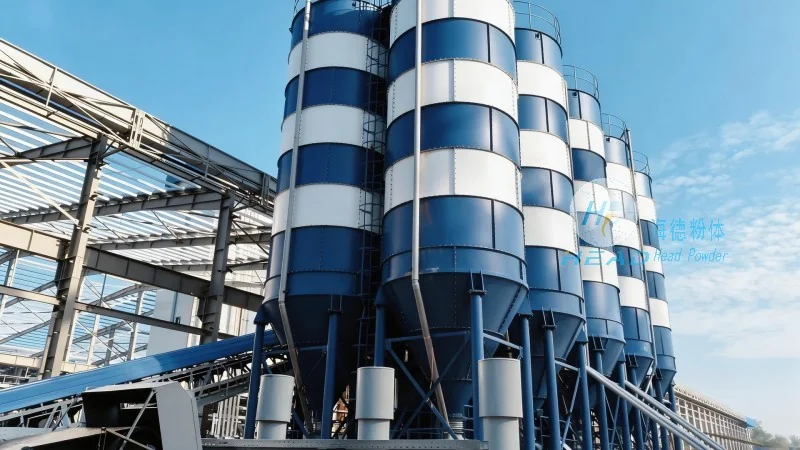
- Pressure System: The machine operates under controlled air pressure, typically ranging from low to moderate levels. The pressure is regulated to ensure the powder is conveyed smoothly without excessive wear on components or product degradation.
- Conveying Path: The system features a sealed pipeline network that guides the powder from the source to the destination. The design of the pipeline, including bends, elbows, and straight sections, is optimized to minimize pressure loss and prevent material buildup or blockages.
- Air-Flow Management: Proper air flow is essential for effective conveying. The machine includes components like airlocks, cyclones, and filters to manage the air-powder mixture, ensuring that the powder is separated from the air at the destination and that the air is cleaned before being recirculated or exhausted.
- Material Compatibility: The construction materials of the machine are chosen to be compatible with manganese sulfate and other potential contaminants. Materials like stainless steel or specialized coatings are used to prevent corrosion and ensure the longevity of the equipment.
How the Manganese Sulfate Powder Pneumatic Conveying Machine Enhances Industrial Operations
Implementing a manganese sulfate powder pneumatic conveying machine in industrial settings offers numerous benefits. These include:
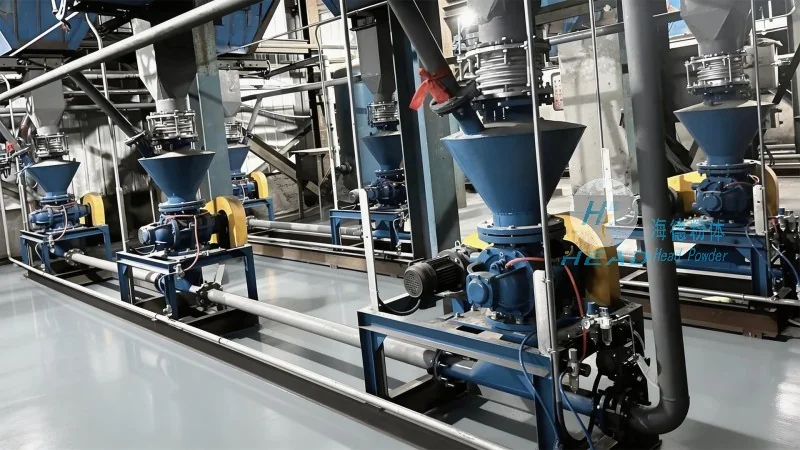
- Improved Safety: By containing the powder within a sealed system, the machine reduces the risk of dust explosions and exposure to airborne particles, creating a safer working environment.
- Enhanced Product Quality: The enclosed system prevents contamination from external sources and minimizes product degradation due to exposure to air or moisture, maintaining the quality of the manganese sulfate powder.
- Increased Efficiency: The pneumatic conveying process allows for continuous and automated material transport, reducing labor costs and increasing overall production efficiency compared to manual or mechanical methods.
- Space Efficiency: The compact design of the machine, with its enclosed pipeline system, makes it suitable for facilities with limited space, optimizing the use of available area.
Applications of Manganese Sulfate Powder Pneumatic Conveying Machines
Manganese sulfate powder pneumatic conveying machines are widely used in various industries where manganese sulfate is processed or used as an ingredient. These applications include:
- Pharmaceutical Manufacturing: In the production of manganese sulfate-based medications, the machine ensures the safe and efficient transport of raw materials, maintaining compliance with stringent quality and safety standards.
- Chemical Processing: In chemical plants that produce or use manganese sulfate as a reagent, the pneumatic system facilitates the transfer of the powder between processing units, improving workflow and reducing downtime.
- Food and Feed Industry: For applications where manganese sulfate is used as a nutritional supplement in animal feed or food products, the machine ensures hygienic and efficient handling of the powder, meeting regulatory requirements for food safety.
- Water Treatment: In water treatment facilities that use manganese sulfate as a coagulant or flocculant, the pneumatic conveying machine helps in the precise dosing and transport of the chemical, improving water treatment efficiency.
Conclusion: The Importance of Proper Design and Implementation
Understanding the design principles and operational aspects of a manganese sulfate powder pneumatic conveying machine is essential for industries that rely on this equipment. By selecting a well-designed system from a reputable manufacturer like Shandong HeadPowder Engineering Co., Ltd., companies can ensure reliable, efficient, and safe material handling. The company, with its expertise in engineering and manufacturing, provides high-quality pneumatic conveying solutions tailored to the specific needs of manganese sulfate powder applications, contributing to improved productivity and operational excellence in various industrial sectors.