

What is an Automatic Weighing Powder Pneumatic Conveying Equipment? What Are Its Design Principles?
For industries dealing with bulk powders, efficient and precise material handling is crucial. One such advanced solution is the automatic weighing powder pneumatic conveying equipment, a system engineered to handle the challenges of transporting and weighing powders with high accuracy and reliability. This equipment is designed to streamline processes in various sectors, including pharmaceuticals, food processing, and chemical manufacturing, where maintaining product integrity and operational efficiency is paramount. Developed by Shandong HeadPowder Engineering Co., Ltd. (headpowder), this system combines cutting-edge technology with robust engineering to deliver superior performance.
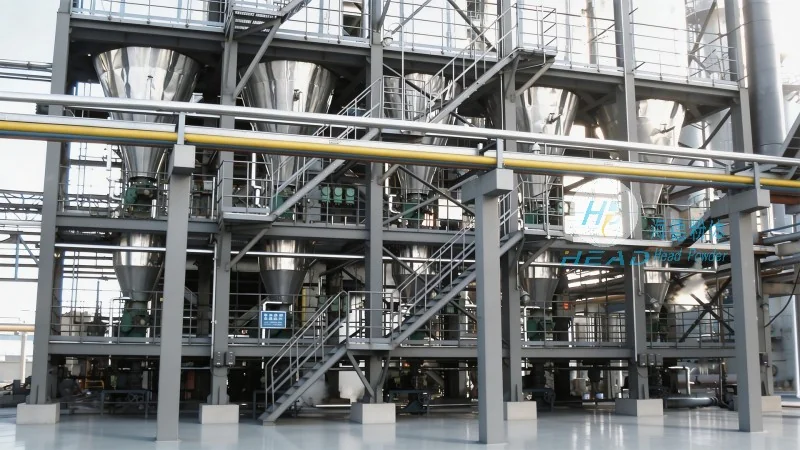
Introduction to Automatic Weighing Powder Pneumatic Conveying Equipment
The automatic weighing powder pneumatic conveying equipment, often referred to as a pneumatic conveyor system with integrated weighing capabilities, is a sophisticated piece of industrial machinery. It combines the functions of material transport and precise weight measurement, enabling operators to manage bulk powders with minimal human intervention. This system is particularly valuable in applications where consistent dosage, batch control, and real-time monitoring are essential. By integrating pneumatic conveying technology with advanced weighing mechanisms, the equipment ensures that powders are transported from storage to processing areas while being accurately weighed, thereby optimizing production workflows and reducing errors.
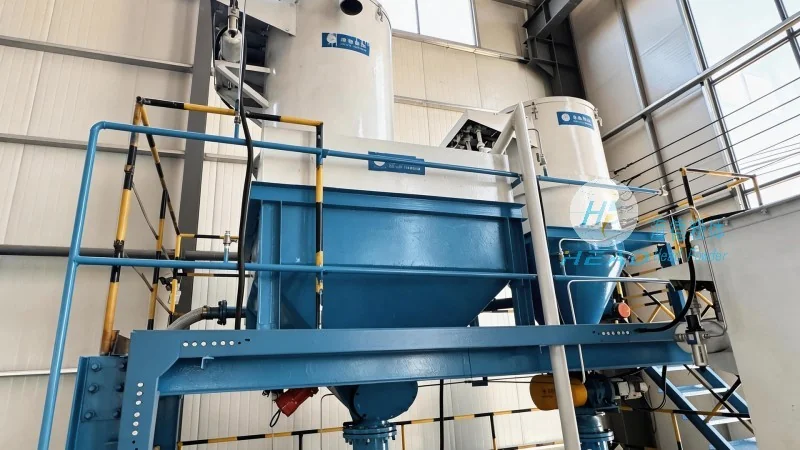
Key Components and Functionality
The core components of an automatic weighing powder pneumatic conveying system include a hopper for material storage, a pneumatic conveying line with air movers (such as blowers or compressors), a weighing hopper or scale, and control systems for monitoring and adjusting the process. The hopper serves as the initial container for the powder, ensuring a steady supply to the conveying line. The pneumatic conveying line uses compressed air to transport the powder from the hopper to the weighing hopper or directly to the processing unit. The weighing hopper is equipped with load cells and a digital scale, which provide real-time weight data. Control systems, often integrated with programmable logic controllers (PLCs) or software interfaces, manage the entire operation, including air pressure, flow rate, and weighing cycles. These components work in tandem to ensure that the powder is conveyed at a controlled rate and accurately weighed, maintaining consistency in each batch.
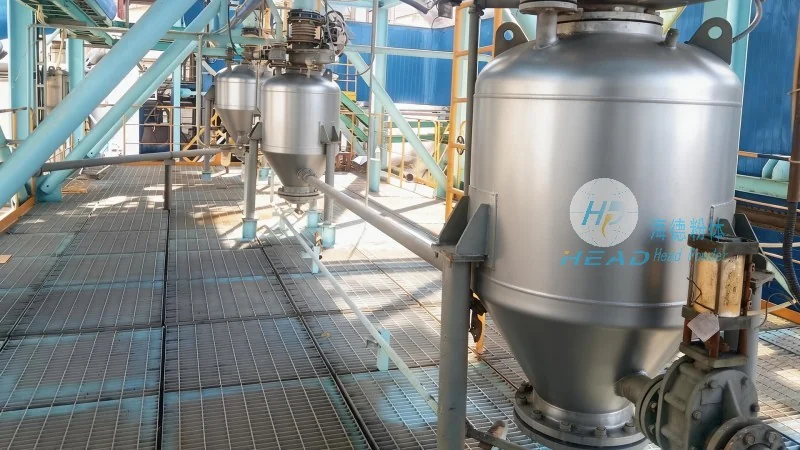
Design Principles Behind the Equipment
The design principles of the automatic weighing powder pneumatic conveying equipment are centered on precision, efficiency, and adaptability. Precision is achieved through the integration of high-quality load cells and digital weighing scales, which provide accurate weight measurements even for fine powders. Efficiency is ensured by the pneumatic conveying method, which eliminates the need for mechanical components like belts or screws that can cause product contamination or degradation. The system is designed to handle a wide range of powder characteristics, including different particle sizes, densities, and flowabilities, by adjusting air pressure and conveying speed. Adaptability is enhanced through modular design, allowing for customization based on specific application requirements. For instance, the system can be configured to handle different batch sizes, varying material types, or integrate with existing production lines without significant modifications.
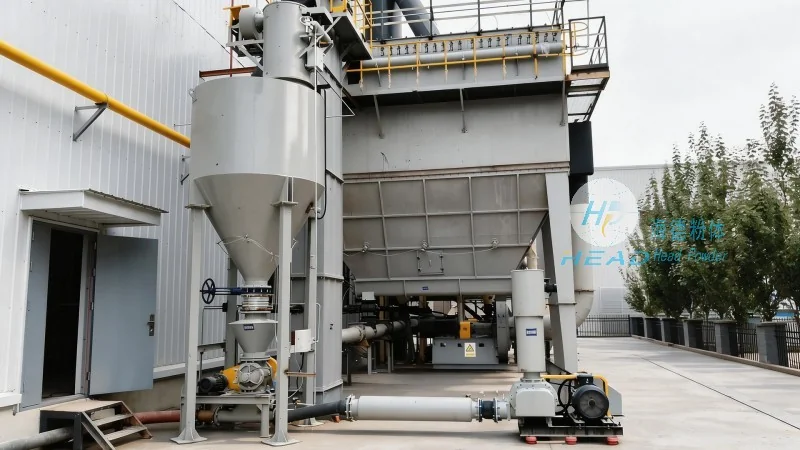
Advantages of Using Automatic Weighing Powder Pneumatic Conveying Equipment
Implementing an automatic weighing powder pneumatic conveying system offers numerous advantages for industrial operations. One of the primary benefits is the enhancement of operational efficiency. By automating the weighing and conveying process, the equipment reduces manual labor, minimizes downtime, and accelerates production cycles. This leads to increased throughput and reduced production costs. Another significant advantage is the improvement in product quality and consistency. The precise weighing capabilities ensure that each batch of powder meets the required specifications, reducing the risk of under or over-dosing. This is particularly critical in industries such as pharmaceuticals, where dosage accuracy directly impacts product efficacy and safety. Additionally, the system enhances safety by minimizing human exposure to powders, which can be hazardous or cause respiratory issues. The automated nature of the equipment also reduces the likelihood of human error, further ensuring consistent and reliable performance.