

What is an Alumina Material Conveying Line? What Are Its Design Principles?
Alumina material conveying lines are specialized systems engineered to transport alumina powder or granules efficiently and safely within industrial settings. These systems are crucial in various manufacturing processes, particularly in the ceramics, refractory, and chemical industries where the handling of alumina—a key raw material—requires precision and reliability. The design of such conveying lines is tailored to address the unique properties of alumina, including its fine particle size, abrasive nature, and the need for minimal contamination during transport.
Understanding the Core Components of an Alumina Conveying Line
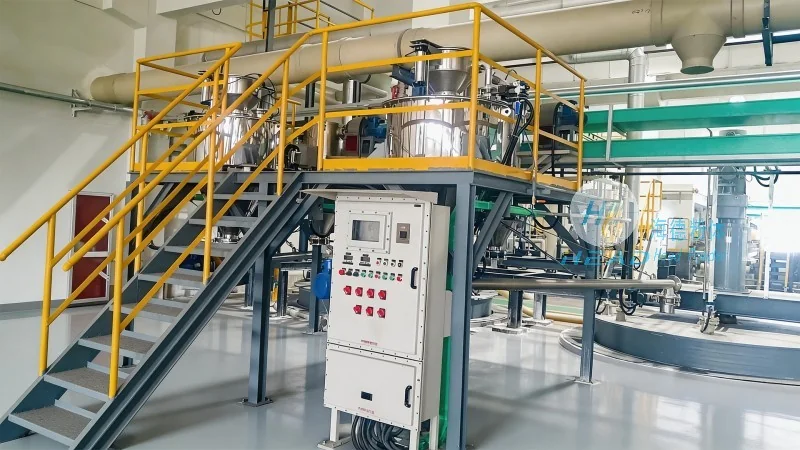
An alumina material conveying line typically consists of several interconnected components that work in tandem to ensure smooth material flow. The primary elements include feeders, conveyors (such as screw conveyors, pneumatic conveyors, or belt conveyors), control systems, and dust collection units. Each component is selected based on the specific characteristics of the alumina being handled, such as particle size distribution, moisture content, and bulk density.
Design Principles for Efficient Alumina Material Handling
The design principles of an alumina conveying line focus on maximizing efficiency, minimizing downtime, and ensuring product integrity. Key considerations include the selection of appropriate conveyor types to handle the abrasive nature of alumina without excessive wear, the implementation of proper sealing and dust control measures to prevent material loss and environmental contamination, and the integration of advanced control systems for real-time monitoring and adjustment of the conveying process.
Role of Material Feeders in Alumina Conveying Systems
Material feeders play a critical role in the initial stage of an alumina conveying line. They are responsible for uniformly and consistently feeding the alumina material into the conveyor system. Common types of feeders include rotary valves, vibratory feeders, and screw feeders. The choice of feeder depends on factors like the bulk density of the alumina, the required feeding rate, and the need for precise control over the material flow. Properly designed feeders help maintain a stable flow rate, prevent blockages, and ensure that the conveyor operates at optimal efficiency.
Conveyor Types and Their Suitability for Alumina Transport
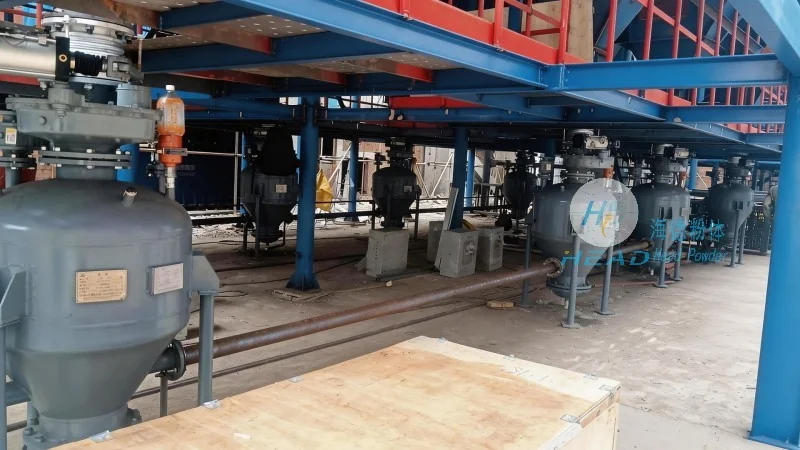
Different conveyor technologies are employed in alumina conveying lines, each with its own advantages and limitations. Screw conveyors are widely used for horizontal or slightly inclined transport due to their simplicity and ability to handle dry, free-flowing materials like alumina. Pneumatic conveyors, on the other hand, are ideal for transporting fine alumina powders over longer distances, as they use air pressure to move the material through a pipeline. Belt conveyors are often used in applications requiring higher material capacities or when transporting larger alumina granules. The selection of the conveyor type is based on factors such as the distance to be covered, the required throughput, and the space constraints of the industrial facility.
Control and Monitoring Systems in Alumina Conveying Lines
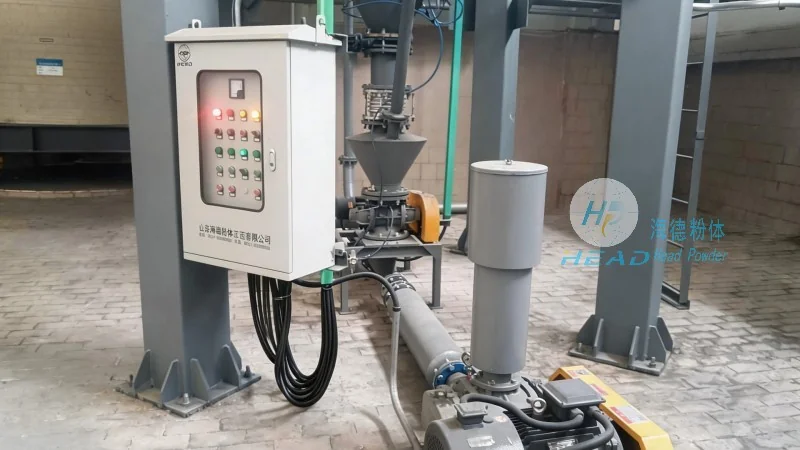
Modern alumina conveying lines are equipped with sophisticated control and monitoring systems to ensure reliable operation. These systems typically include sensors for measuring material flow rates, pressure, and temperature, as well as control panels that allow operators to adjust the conveying parameters in real time. The integration of these systems helps in detecting and addressing issues such as blockages, overloading, or abnormal pressure changes promptly, thereby minimizing downtime and maintaining product quality. Additionally, some advanced systems may incorporate data logging and analytics to provide insights into the performance of the conveying line over time.
Dust Control and Environmental Considerations
Handling alumina, especially in its fine powder form, poses challenges related to dust generation and environmental compliance. Effective dust control measures are integral to the design of an alumina conveying line. These measures may include the use of enclosed conveyor systems, dust collection hoods, and filtration systems to capture and remove airborne particles. The design also considers the need for compliance with local environmental regulations, ensuring that the operation of the conveying line does not contribute to air pollution or pose health risks to workers. Proper sealing of all joints and connections in the system is crucial to prevent dust leakage and maintain a clean working environment.
Application Examples in Industrial Settings
Alumina material conveying lines are widely used in various industrial applications. For instance, in the ceramics industry, they are employed to transport alumina powder from storage silos to mixing and processing equipment. In the refractory industry, such systems are used to convey alumina granules to kilns and other processing units. Additionally, in chemical manufacturing, alumina conveying lines may be part of larger production lines that involve the handling of alumina as a raw material for catalysts or other chemical products. The versatility of these systems makes them essential in any industrial process that relies on the efficient and safe handling of alumina.
Conclusion: The Importance of Well-Designed Alumina Conveying Lines
In conclusion, an alumina material conveying line is a critical component in many industrial processes, designed to handle the unique properties of alumina with precision and efficiency. The design principles, components, and control systems employed in these lines are carefully tailored to ensure optimal performance, minimal downtime, and product integrity. As a key player in the industry, Shandong HeadPowder Engineering Co., Ltd. specializes in the design, manufacturing, and installation of such conveying systems, leveraging years of experience to deliver solutions that meet the specific needs of their clients. With a focus on quality and reliability, HeadPowder Engineering ensures that their alumina conveying lines contribute to the smooth operation of industrial facilities while adhering to the highest standards of safety and environmental compliance.