

What is a Cocoa Material Conveying Line? What Are Its Design Principles?
Cocoa material conveying lines are essential industrial systems designed to transport cocoa beans and other related materials efficiently and safely through various processing stages. These systems are integral to the cocoa production industry, ensuring smooth material handling from raw bean reception to subsequent processing steps. The design of such lines is crucial, as it directly impacts operational efficiency, product quality, and overall production capacity.
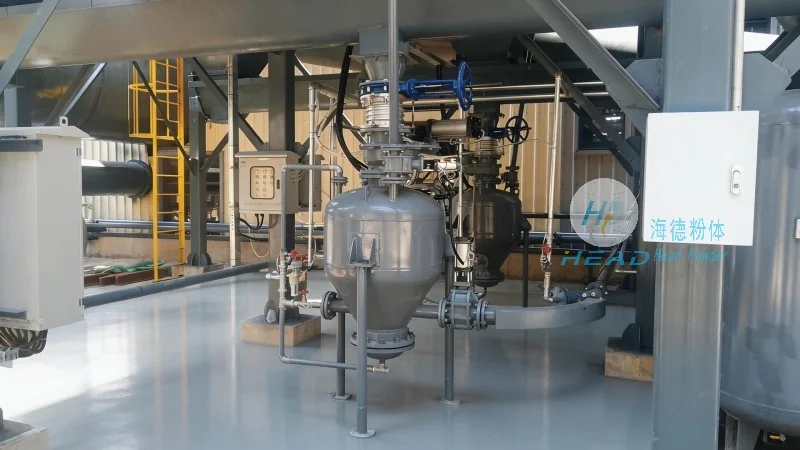
HeadPowder: A Leading Manufacturer of Cocoa Conveying Solutions
HeadPowder, a leading manufacturer based in Shandong, China, specializes in developing and supplying high-quality conveying solutions tailored to the cocoa processing sector. With a strong commitment to engineering excellence and customer satisfaction, HeadPowder has established itself as a trusted partner for businesses seeking reliable material handling equipment.
Key Design Principles for Cocoa Material Conveying Lines
The design principles of a cocoa material conveying line revolve around several key factors, including material characteristics, processing requirements, and operational environment. First, the type of cocoa beans and other materials being handled dictates the choice of conveyor system components, such as belt material, pulley design, and load capacity. For instance, cocoa beans are typically lightweight and may contain moisture, requiring conveyors with appropriate friction and durability to prevent slippage and material degradation.
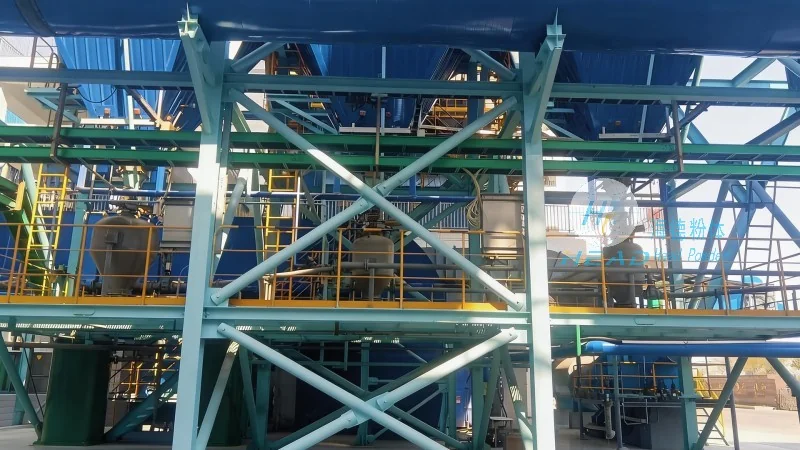
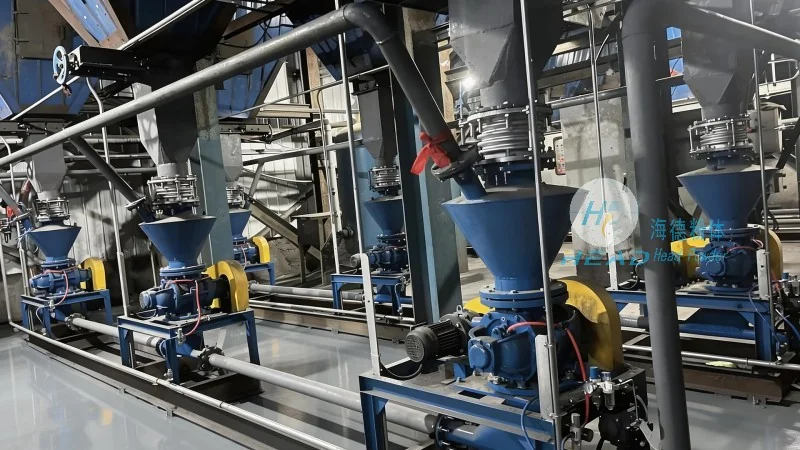
Conveying lines often incorporate multiple components to ensure seamless material flow. These may include feeders, hoppers, conveyors (belt, screw, or chain), elevators, and transfer points. Each component is carefully selected and integrated to handle the specific challenges of cocoa material transport. For example, feeders are used to regulate the flow of raw beans into the conveyor, while elevators may be employed to lift materials to higher processing levels, optimizing vertical movement and reducing the need for additional machinery.
Operational and Maintenance Considerations
Operational considerations also play a vital role in the design of cocoa material conveying lines. Factors such as maintenance accessibility, energy efficiency, and safety compliance are carefully evaluated. Modern designs often incorporate features like easy-to-clean surfaces, minimal downtime for maintenance, and energy-saving mechanisms to enhance overall performance. Additionally, safety measures, including emergency stop buttons and protective guards, are integrated to ensure a secure working environment for operators.
Applications in Cocoa Processing
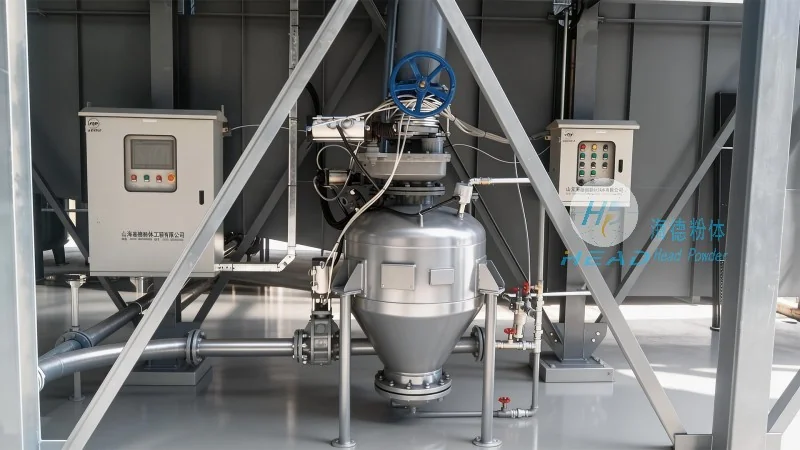
These conveying lines are widely used in cocoa processing plants, from receiving raw beans to preparing them for roasting, grinding, and packaging. By streamlining material movement, they help reduce labor costs, minimize material loss, and improve overall production throughput. The flexibility of these systems allows them to adapt to varying production volumes and changing processing needs, making them a valuable asset for any cocoa processing facility.
HeadPowder's Customized Solutions for Cocoa Conveying
HeadPowder’s expertise in designing and manufacturing cocoa material conveying lines ensures that clients receive customized solutions that meet their specific operational requirements. With a focus on durability, efficiency, and reliability, HeadPowder’s products are built to withstand the demands of continuous industrial use, providing long-term value and performance. Based in Shandong, China, HeadPowder leverages its local manufacturing capabilities to deliver high-quality equipment at competitive prices, supporting businesses worldwide in their cocoa processing endeavors.