

What Are Boron Nitride Material Handling Equipment? What Are Their Design Principles?
When it comes to industrial material handling, the selection of appropriate equipment is crucial for ensuring efficiency, safety, and product integrity. Among the various materials used in manufacturing processes, boron nitride (BN) stands out due to its unique properties, including thermal stability, chemical inertness, and lubricity. This makes boron nitride an ideal choice for applications where conventional materials may fail under harsh conditions. The equipment designed to handle boron nitride powders and other similar materials must be engineered with precision to maintain the material's quality and prevent contamination.
Understanding Boron Nitride Material Handling Equipment
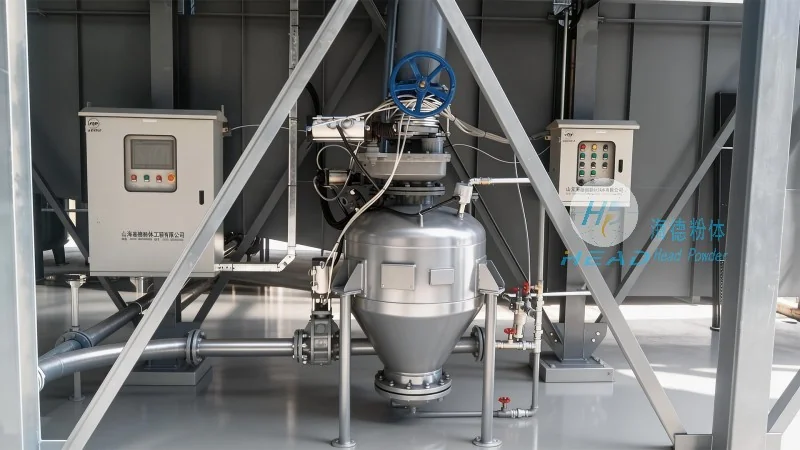
Boron nitride material handling equipment is specifically designed to transport, store, and process boron nitride powders and related products. These systems are engineered to address the challenges posed by boron nitride's physical characteristics, such as its fine particle size and tendency to form dust. The equipment typically includes components like hoppers, conveyor systems, and dust collection units, all constructed from materials that are compatible with boron nitride to avoid reaction or contamination. The design of these systems prioritizes maintaining the purity of the material, which is critical for applications in high-tech industries like semiconductor manufacturing, aerospace, and advanced ceramics.
The Core Design Principles of Boron Nitride Material Handling Equipment
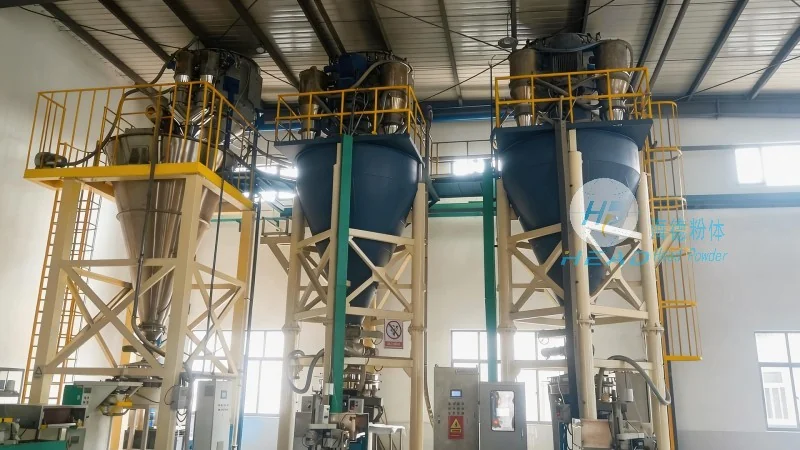
The design of boron nitride material handling equipment is guided by several key principles that ensure optimal performance and reliability. First, the equipment must be constructed from materials that are chemically inert to boron nitride. Common choices include stainless steel, PTFE-coated components, and specialized alloys that do not react with the material. This prevents any chemical interaction that could alter the properties of the boron nitride or introduce impurities. Second, the equipment is designed to minimize particle attrition and breakage during handling. Boron nitride particles are often fragile, and excessive impact or friction can cause them to degrade, reducing their effectiveness in end-use applications. Therefore, components like hoppers and chutes are often lined with soft materials or designed with smooth, curved surfaces to reduce friction and impact. Third, the system incorporates effective dust control measures. Boron nitride powders are fine and can become airborne easily, posing health risks and affecting product quality. The equipment includes sealed containers, dust collection systems, and air filtration units to maintain a clean environment and prevent dust dispersion. Fourth, the design emphasizes ease of maintenance and cleaning. Since boron nitride can adhere to surfaces, the equipment is designed with easy-to-access components and smooth surfaces that can be cleaned thoroughly to prevent cross-contamination between batches.
Key Components and Their Functions in Boron Nitride Material Handling Systems
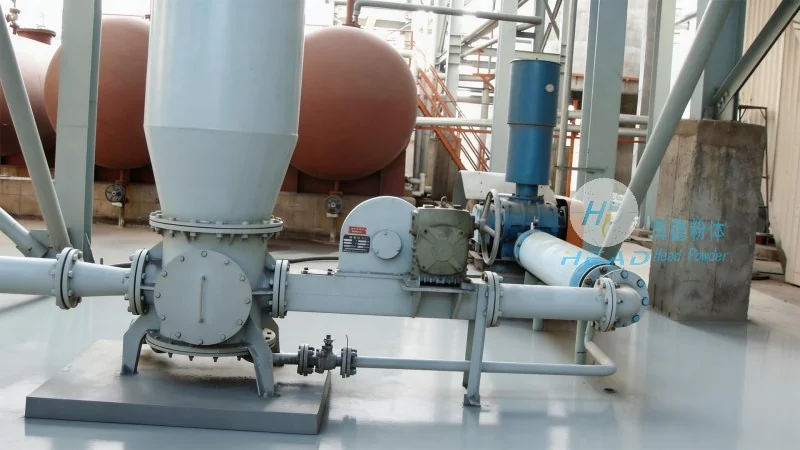
A typical boron nitride material handling system consists of several interconnected components, each playing a vital role in the overall operation. The primary components include the material storage hopper, the feeding mechanism, the conveyor system, and the dust collection unit. The storage hopper is designed to hold the boron nitride powder in a way that minimizes segregation and compaction. It often features a conical or cylindrical shape with a smooth interior to prevent material buildup and ensure even discharge. The feeding mechanism, such as a rotary valve or a vibratory feeder, regulates the flow of material from the hopper to the conveyor system. This component is critical for controlling the rate of material discharge, which affects the consistency of downstream processes. The conveyor system, which may include screw conveyors, belt conveyors, or pneumatic transport lines, transports the boron nitride from the feeding point to the processing or packaging area. The choice of conveyor type depends on the specific application and the properties of the material. For example, screw conveyors are suitable for dry powders, while pneumatic systems are used for fine powders that require minimal contact with surfaces. The dust collection unit is an essential part of the system, designed to capture any airborne particles and prevent environmental contamination. It typically includes a filter system that can be cleaned or replaced to maintain efficiency. Additionally, the system may include a material dryer or a cooling unit, depending on the processing requirements, to adjust the temperature of the boron nitride before or after handling.
Applications and Benefits of Boron Nitride Material Handling Equipment
Boron nitride material handling equipment is widely used in various industries due to its ability to handle the material efficiently and maintain its quality. In the semiconductor industry, for example, boron nitride is used as a dielectric material and a lubricant in manufacturing processes. The equipment ensures that the boron nitride is delivered to the production line in a controlled manner, preventing contamination that could affect the performance of electronic components. In the aerospace industry, boron nitride is used as a thermal barrier coating and a lubricant in high-temperature applications. The material handling equipment helps in delivering the powder to the coating process, ensuring uniform application and consistent performance. In the advanced ceramics industry, boron nitride is used as a raw material for producing high-performance ceramics. The equipment ensures that the powder is processed without degradation, maintaining the desired properties of the final ceramic products. The benefits of using boron nitride material handling equipment include improved product quality, reduced waste, and enhanced safety in the workplace. By maintaining the purity and integrity of the material, these systems contribute to higher yields and better performance in end-use applications.
Conclusion and Company Information
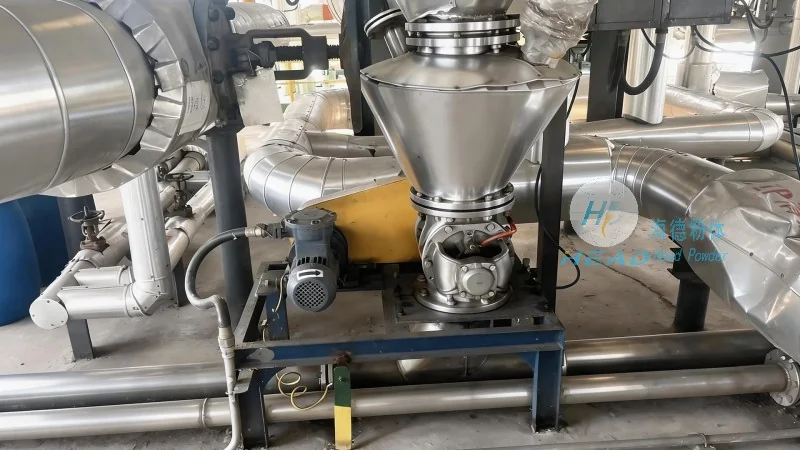
Designing and manufacturing boron nitride material handling equipment requires a deep understanding of the material's properties and the specific requirements of industrial applications. The equipment must be engineered to meet the stringent standards of various industries, ensuring reliability, efficiency, and safety. Shandong HeadPowder Engineering Co., Ltd., a leading manufacturer in this field, specializes in providing high-quality boron nitride material handling solutions. With years of experience and a commitment to innovation, the company has developed advanced systems that cater to the diverse needs of its clients. Based in Shandong, China, HeadPowder Engineering Co., Ltd. leverages its expertise to deliver equipment that meets the highest standards of performance and durability. Whether for semiconductor manufacturing, aerospace, or advanced ceramics, the company's boron nitride material handling equipment is designed to enhance productivity and ensure the quality of the final products. By choosing HeadPowder Engineering Co., Ltd., industries can rely on reliable and efficient solutions for handling boron nitride materials, contributing to their success in competitive markets.