

What Are Sugar Material Handling Equipment? And What Are Their Design Principles?
When it comes to the efficient processing and transportation of sugar, specialized equipment plays a crucial role in ensuring smooth operations. Sugar material handling equipment is designed to move raw sugar, refined sugar, or other sugar-related products from one stage of production to another. These systems are integral to sugar mills, refineries, and processing facilities, enabling the seamless flow of materials while maintaining quality and safety standards. Understanding what these equipment are and how they are designed is essential for anyone involved in the sugar industry.
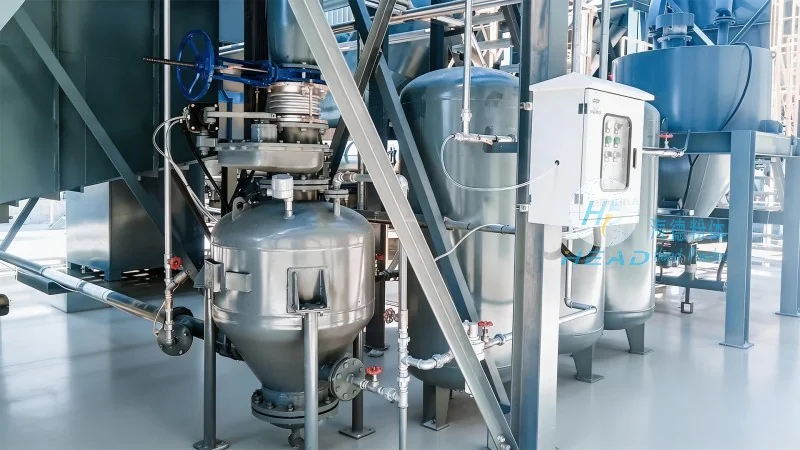
Key Components and Types of Sugar Material Handling Equipment
At the heart of sugar material handling are various machinery designed to handle different stages of the sugar processing cycle. Common types include belt conveyors, screw conveyors, bucket elevators, and pneumatic conveyors. Each type serves a specific purpose, from transporting bulk sugar in raw form to moving refined sugar in packaged forms. Belt conveyors, for instance, are widely used for horizontal or slight incline transport due to their ability to handle large volumes with minimal maintenance. Screw conveyors, on the other hand, are ideal for vertical or inclined transport, as they can move materials through chutes and hoppers. Bucket elevators are particularly effective for vertical lifting, using buckets attached to a chain or belt to lift sugar from lower to higher levels. Pneumatic conveyors utilize air pressure to transport sugar particles through pipes, offering a dust-free and flexible solution for handling fine or granular sugar.
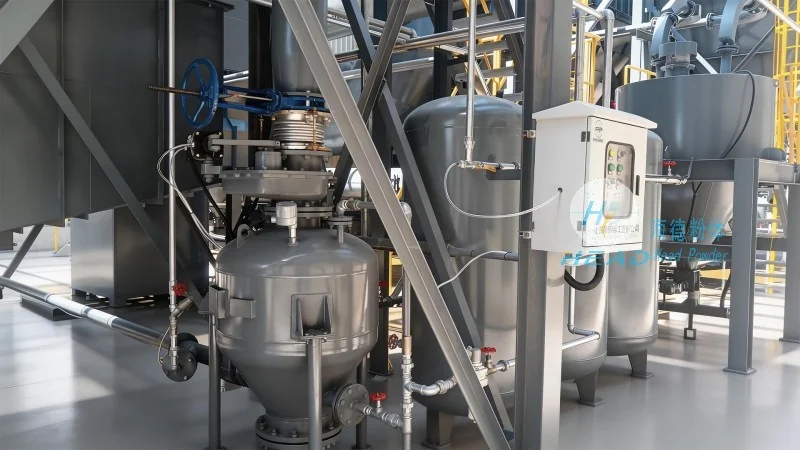
Design Principles Behind Sugar Material Handling Equipment
The design of sugar material handling equipment is guided by several key principles aimed at optimizing performance, durability, and efficiency. First, material selection is critical. Components that come into contact with sugar must be non-corrosive, non-reactive, and easy to clean to prevent contamination and ensure product purity. Stainless steel is a common choice for conveyor belts, frames, and hoppers due to its resistance to corrosion and ability to withstand the abrasive nature of sugar. Additionally, materials must be hygienic, as sugar products are often used in food applications where strict sanitary standards apply. Second, structural design focuses on durability and minimal maintenance. Equipment is built to withstand the heavy loads and continuous operation typical of sugar processing plants. This includes robust frames, reinforced belts, and wear-resistant components that reduce the risk of breakdowns and extend the equipment's lifespan. Third, the design considers the flow of materials and the need for efficient transfer between different stages of processing. For example, conveyor systems are often integrated with hoppers, chutes, and storage silos to create a continuous material flow. The design also takes into account the need for easy cleaning and maintenance, with features such as removable panels and easy-to-clean surfaces that help maintain hygiene standards.
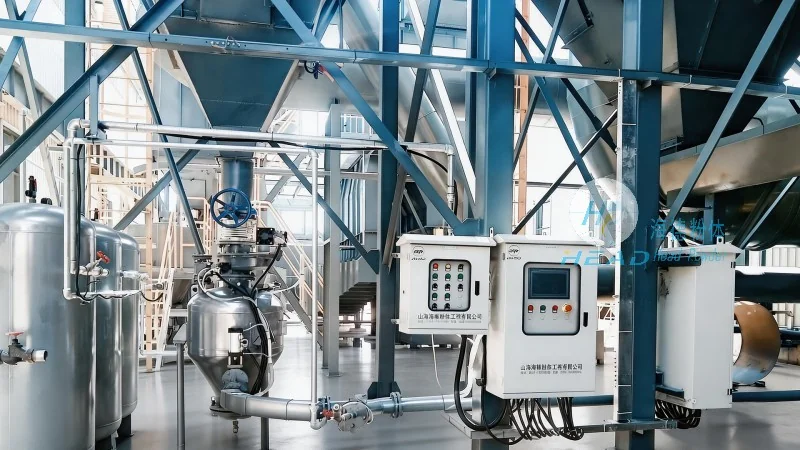
Key Design Factors for Sugar Material Handling Equipment
Several key factors influence the design of sugar material handling equipment, ensuring that they meet the specific needs of sugar processing facilities. One of the most important factors is the type of sugar being handled. Raw sugar, refined sugar, and powdered sugar have different physical properties, such as moisture content, particle size, and flowability. These properties affect the choice of conveyor type and the design of the system. For example, fine powdered sugar may require a pneumatic conveyor to prevent clogging, while larger granules can be handled by belt or screw conveyors. Another critical factor is the capacity and speed requirements. The equipment must be able to handle the desired throughput without causing bottlenecks or overloading. This involves selecting the appropriate belt speed, conveyor length, and bucket size for the application. Energy efficiency is also a key consideration. Modern sugar material handling equipment is designed to minimize energy consumption while maintaining performance. This includes using efficient motors, variable speed drives, and optimized conveyor designs that reduce friction and energy loss. Finally, safety is a paramount concern. Equipment is designed with safety features such as emergency stop buttons, protective guards, and sensors that detect obstructions or overloads. These features help prevent accidents and ensure the safety of operators and the integrity of the sugar product.