When it comes to handling and transporting ceramic powders, selecting the right conveying method is crucial for maintaining product quality, efficiency, and operational safety. Among the various options available, pneumatic conveying stands out as a highly effective solution for many industrial applications. This article explores the different ceramic powder conveying methods and highlights the key advantages and features of pneumatic conveying systems, providing valuable insights for businesses in the ceramics and related industries.
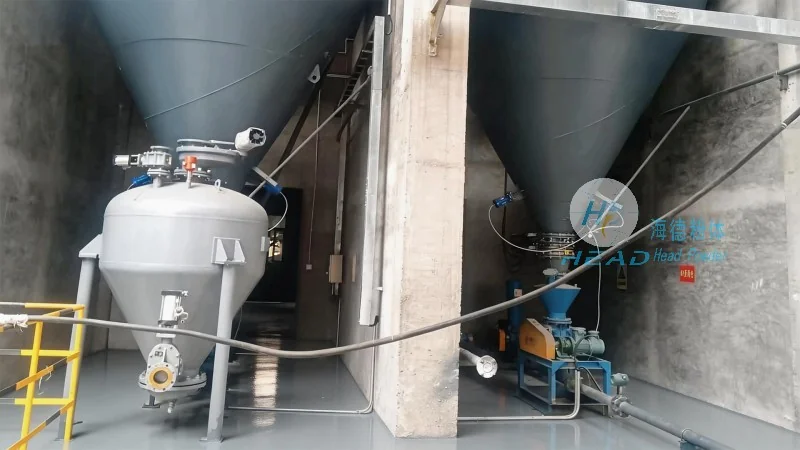
Shandong HeadPowder Engineering Co., Ltd., a leading manufacturer based in China, specializes in providing advanced material handling solutions tailored to the unique needs of the ceramic powder industry. With a strong commitment to innovation and quality, the company has developed cutting-edge pneumatic conveying systems that address the challenges associated with transporting fine and abrasive ceramic powders. The following sections delve into the different conveying methods and the superior performance of pneumatic conveying technology.
Common Ceramic Powder Conveying Methods
There are several conventional methods used for transporting ceramic powders, each with its own set of advantages and limitations. The primary methods include:
- Gravity Conveying: This method relies on the natural force of gravity to move powders from a higher to a lower elevation. While simple and low-cost, gravity conveying is limited by the need for a steep incline and is not suitable for long distances or vertical transport.
- Pneumatic Conveying: As mentioned earlier, this method uses compressed air or other gases to transport powders through a pipeline system. It offers greater flexibility and efficiency compared to other methods.
- Mechanical Conveying: This includes methods such as screw conveyors, belt conveyors, and bucket elevators. These systems are often used for bulk material handling but may not be ideal for fine ceramic powders due to issues like product degradation and equipment wear.
- Hydraulic Conveying: This method uses water or other liquids to transport powders, typically in a slurry form. While effective for certain applications, hydraulic conveying may not be suitable for all types of ceramic powders and can lead to contamination or increased energy consumption.
Each of these methods has its place in the industry, but for many applications, pneumatic conveying offers superior performance and reliability.
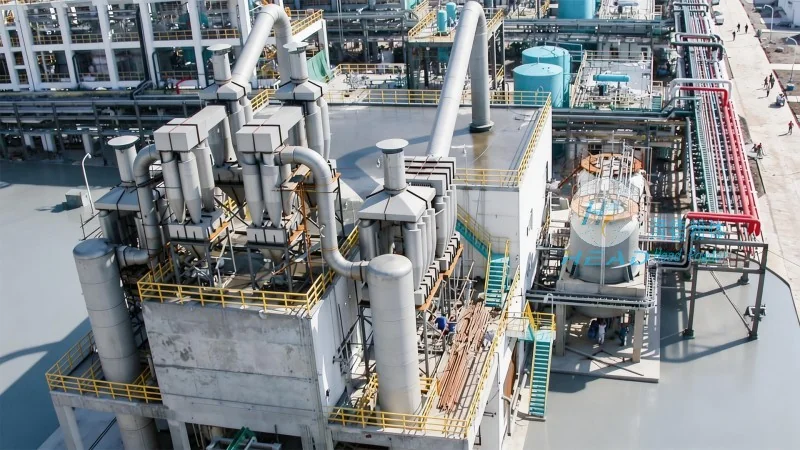
Pneumatic Conveying: Advantages and Features
Pneumatic conveying systems for ceramic powders are designed to handle fine, abrasive, and sometimes hygroscopic materials with precision and efficiency. The key advantages of pneumatic conveying include:
- Non-Contact Transport: Unlike mechanical conveyors, pneumatic systems do not use physical contact between the material and the equipment. This reduces wear and tear on both the powder and the conveying components, extending the lifespan of the system.
- Flexibility and Versatility: Pneumatic conveying can be easily adapted to various layouts and configurations, allowing for horizontal, vertical, or mixed-direction transport. This flexibility makes it suitable for complex production lines and space-constrained facilities.
- High Efficiency and Capacity: Modern pneumatic systems can achieve high material throughput rates while maintaining low energy consumption. The use of compressed air provides consistent and reliable transport, minimizing downtime and improving overall productivity.
- Product Protection: By keeping the ceramic powder in a sealed pipeline, pneumatic conveying prevents contamination from external sources and minimizes exposure to air, moisture, or other environmental factors that could affect the powder's quality.
- Reduced Dust and Pollution: Unlike some mechanical methods that generate significant dust, pneumatic systems are enclosed and can be equipped with filtration systems to capture and recycle fine particles, reducing environmental impact and improving workplace safety.
Shandong HeadPowder Engineering Co., Ltd. has developed advanced pneumatic conveying solutions that incorporate these advantages while addressing the specific challenges of ceramic powder handling. Their systems are engineered to ensure optimal performance, durability, and cost-effectiveness for long-term operation.
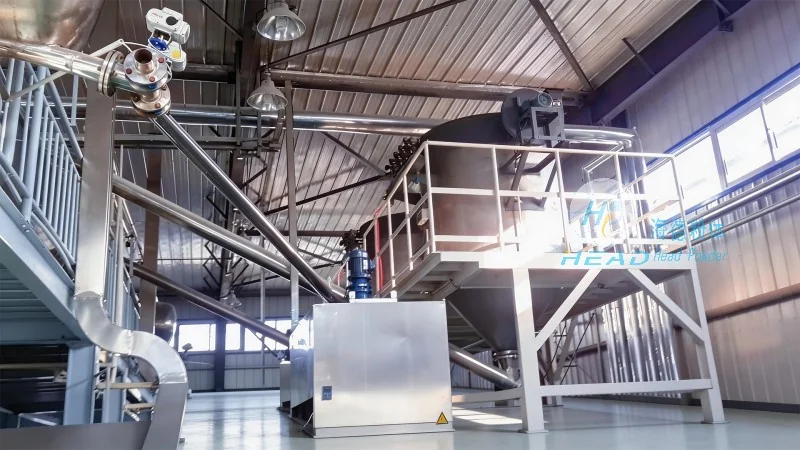
Key Features of Pneumatic Conveying Systems for Ceramic Powders
The effectiveness of a pneumatic conveying system for ceramic powders depends on several key features that are carefully designed and optimized. These features include:
- Material Handling Capacity: The system's ability to transport a specific volume of powder per unit time, which is determined by factors such as air velocity, pipeline diameter, and pressure.
- Pressure and Flow Control: Precise control of air pressure and flow rate is essential to maintain consistent transport and prevent issues like clogging or excessive wear.
- Filter and Dust Collection: High-efficiency filtration systems are critical to capture fine particles and maintain air quality, ensuring compliance with environmental regulations and protecting equipment from dust buildup.
- System Integration: Pneumatic conveying systems can be integrated with other production equipment, such as mixers, dryers, and processing lines, to create a seamless material flow from raw material to finished product.
- Energy Efficiency: Modern systems incorporate energy-saving technologies, such as variable frequency drives and optimized air compression, to reduce operational costs and environmental impact.
By focusing on these features, Shandong HeadPowder Engineering Co., Ltd. ensures that their pneumatic conveying solutions meet the highest standards of performance and reliability for the ceramic powder industry.
Conclusion
In conclusion, the choice of ceramic powder conveying method significantly impacts the efficiency, quality, and safety of industrial operations. While various methods exist, pneumatic conveying offers a superior combination of flexibility, efficiency, and product protection. Shandong HeadPowder Engineering Co., Ltd. provides advanced pneumatic conveying systems that leverage these advantages to deliver reliable and cost-effective solutions for businesses in the ceramics sector. By understanding the different conveying methods and the key features of pneumatic systems, manufacturers can make informed decisions to optimize their material handling processes and enhance overall productivity.




