Sodium sulfate, commonly known as Glauber's salt, is a widely used industrial chemical with applications in various sectors such as glass manufacturing, paper production, and chemical synthesis. The efficient and reliable transportation of sodium sulfate from storage to processing units is crucial for maintaining production efficiency and minimizing operational costs. Traditional conveying methods like gravity flow, mechanical screw conveyors, and belt conveyors have been widely adopted in the industry. However, with advancements in material handling technology, pneumatic conveying has emerged as a preferred solution for handling sodium sulfate, especially in applications requiring high throughput, dust control, and environmental compliance.
Common Conveying Methods for Sodium Sulfate
Before delving into the specifics of pneumatic conveying, it is essential to understand the conventional methods used for sodium sulfate transportation. Gravity flow systems utilize the natural slope of the material to move it from one point to another, often requiring inclined chutes or hoppers. While simple and cost-effective, gravity flow is limited by the material's angle of repose and the distance it needs to travel. Mechanical conveyors, including screw and belt conveyors, are robust and suitable for bulk material handling. They are capable of transporting sodium sulfate over longer distances but may face challenges with material abrasion and blockage, especially if the material is fine or contains moisture.
Pneumatic Conveying: A Modern Solution for Sodium Sulfate Handling
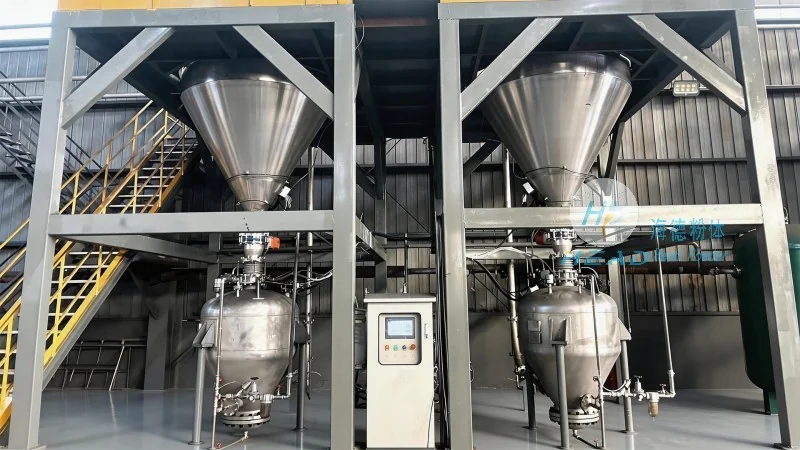
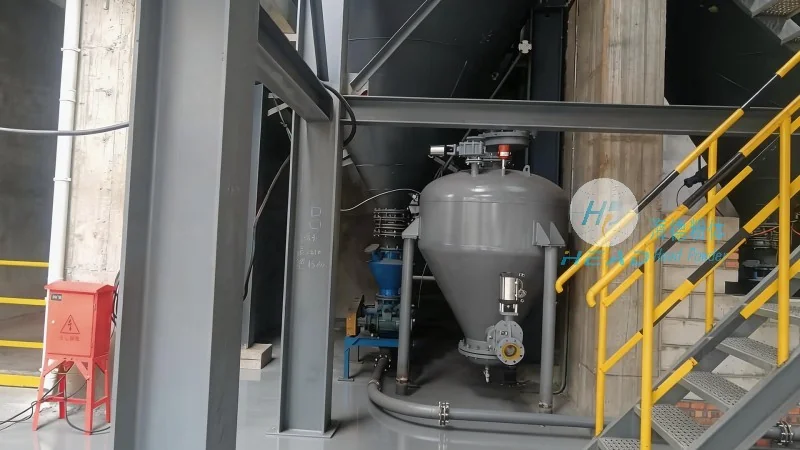
Pneumatic conveying, also known as air conveying, is a technology that uses compressed air to transport dry bulk materials like sodium sulfate through a pipeline system. This method offers several advantages over traditional mechanical conveyors, making it an ideal choice for industries that demand high efficiency, flexibility, and environmental protection. The core components of a pneumatic conveying system include a hopper for material storage, a blower or compressor to generate airflow, a pipeline network to transport the material, and a receiver or discharge point for the material. The process involves feeding the sodium sulfate into the hopper, where it is then drawn into the pipeline by the airflow, moving it to the desired location.
Advantages of Pneumatic Conveying for Sodium Sulfate
One of the primary advantages of pneumatic conveying is its ability to handle fine or dusty sodium sulfate without the risk of material degradation or clogging. Unlike mechanical conveyors that rely on physical contact with the material, pneumatic systems minimize friction and abrasion, ensuring the material remains in its original state. This is particularly important for sodium sulfate, which can be sensitive to moisture and temperature changes. Additionally, pneumatic conveying offers excellent dust control, as the material is enclosed within the pipeline, preventing dust emissions into the environment. This feature aligns with modern environmental regulations and helps maintain a clean and safe working environment for personnel.
Efficiency and Throughput in Pneumatic Conveying
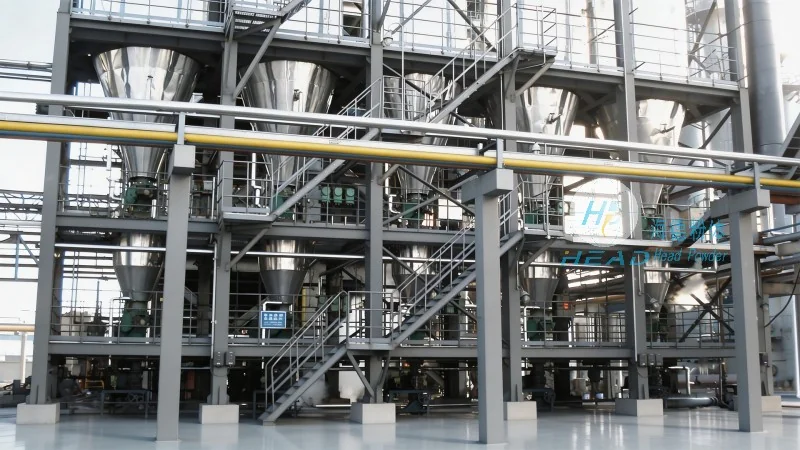
Pneumatic conveying systems are designed to achieve high throughput and operational efficiency, making them suitable for large-scale sodium sulfate production facilities. The ability to transport material over long distances without intermediate storage or transfer points reduces downtime and increases overall productivity. The system's flexibility allows for easy integration with existing production lines, enabling seamless material flow from storage to processing units. Furthermore, pneumatic conveying can handle varying material loads and flow rates, adapting to the dynamic needs of industrial operations. This adaptability ensures that the system operates optimally under different production conditions, minimizing energy consumption and maximizing output.
Environmental and Safety Benefits
Environmental considerations are a critical factor in modern industrial operations, and pneumatic conveying of sodium sulfate addresses these concerns effectively. By containing the material within the pipeline, the system prevents dust and particulate matter from being released into the air, reducing the risk of respiratory issues and environmental pollution. This is especially beneficial in regions with strict air quality regulations. From a safety perspective, pneumatic conveying eliminates the need for manual handling of bulk materials, reducing the risk of accidents and injuries associated with heavy lifting or material handling. The enclosed system also minimizes the risk of material spillage or contamination, maintaining product quality and purity.
HeadPowder Engineering Co., Ltd.: Experts in Sodium Sulfate Conveying Solutions
Shandong HeadPowder Engineering Co., Ltd., a leading provider of industrial material handling solutions, specializes in designing and manufacturing advanced pneumatic conveying systems tailored to the needs of sodium sulfate applications. With years of experience in the industry, HeadPowder has developed a comprehensive range of products and services that cater to various production requirements. The company's expertise lies in understanding the unique challenges of handling sodium sulfate, such as its hygroscopic nature and potential for dust generation, and providing customized solutions to address these issues. HeadPowder's team of engineers and technicians works closely with clients to assess their specific needs, offering tailored designs that optimize material flow, reduce operational costs, and enhance overall efficiency.




