

Tea Material Handling Systems: What They Are and Their Design Principles
HeadPowder, a leading engineering company based in Shandong, China, specializes in the design and implementation of efficient tea material handling systems. These systems are crucial for the modern tea processing industry, ensuring that raw tea leaves are transported, sorted, and processed with precision and minimal loss. Understanding the components and design principles of such systems is essential for optimizing production lines and maintaining product quality.
Understanding Tea Material Handling Systems
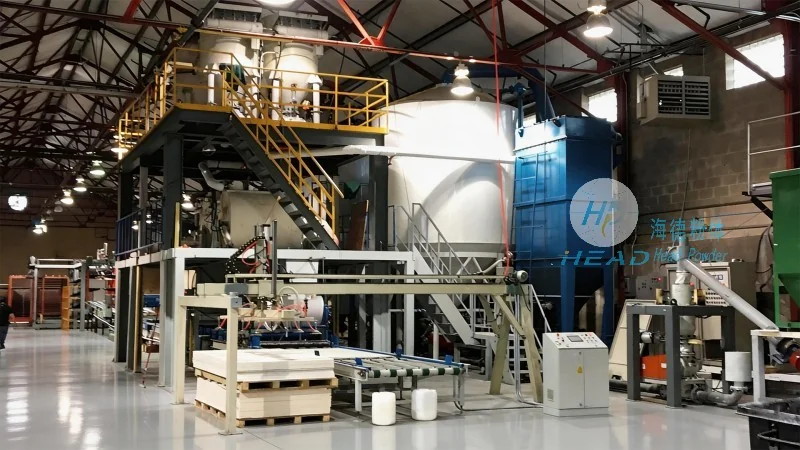
A tea material handling system encompasses a range of equipment and processes designed to move tea leaves from one stage of processing to another. This includes everything from the initial reception of raw leaves to the final packaging of finished tea products. The primary goal of these systems is to enhance operational efficiency, reduce labor costs, and minimize the risk of damage or contamination during handling.
Key Components of a Tea Material Handling System
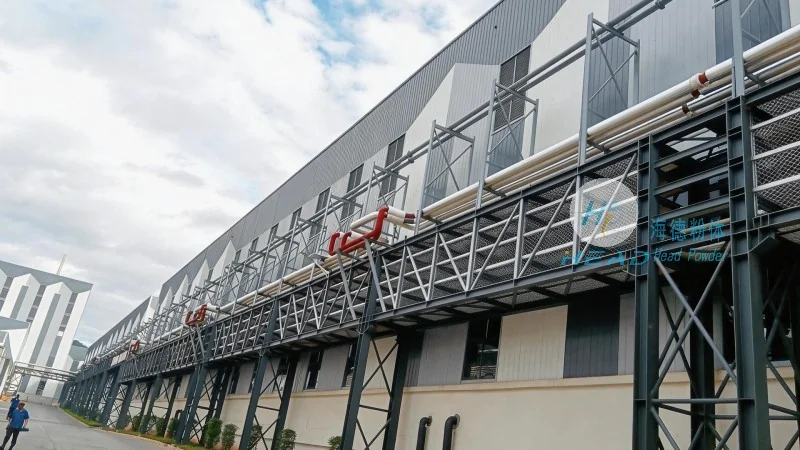
The effectiveness of a tea material handling system relies on several key components that work in tandem. These components typically include conveyors, sorting mechanisms, storage solutions, and control systems. Conveyors, such as belt conveyors or chain conveyors, are used to transport tea leaves over short or long distances. Sorting equipment, like vibrating screens or air classifiers, separates leaves based on size, shape, or density. Storage systems, including silos or hoppers, hold large quantities of tea leaves until they are ready for processing. Control systems, often integrated with sensors and automation technology, monitor the entire process and adjust operations as needed. Conveyors are a critical component, with belt conveyors being the most common for horizontal transport. These systems use a continuous belt to move tea leaves, offering high capacity and low maintenance. For inclined or vertical transport, chain conveyors or bucket elevators are used, which are ideal for moving leaves from lower to higher levels in a processing facility. Sorting mechanisms are equally important, as they help to separate high-quality leaves from lower-quality ones or to remove foreign objects like twigs or debris. Vibrating screens use mechanical vibrations to separate leaves based on size, while air classifiers use air currents to separate leaves by density. Storage solutions, such as stainless steel silos or hoppers, are designed to hold large quantities of tea leaves while preventing moisture absorption and contamination. These storage systems often include aeration and temperature control features to maintain the quality of the stored leaves.
Design Principles for Optimal Performance
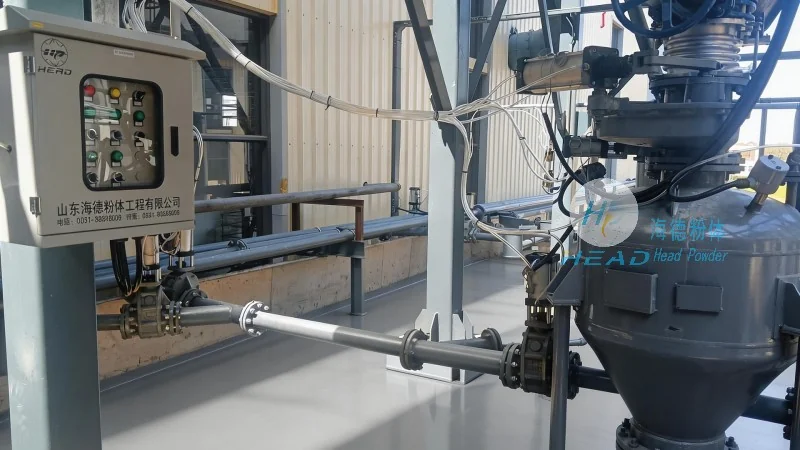
The design of a tea material handling system follows several fundamental principles to ensure it meets the specific needs of a tea processing facility. First, the system must be tailored to the type of tea being processed—whether it's green tea, black tea, oolong, or other varieties—each requiring different handling conditions. Second, the system should prioritize gentle handling to preserve the quality and flavor of the tea leaves. This often involves using low-speed conveyors and soft materials to prevent bruising or crushing. Third, the system must be scalable and adaptable, allowing for future expansion or changes in production volume. Finally, the design should incorporate robust safety features to protect both personnel and equipment from hazards such as moving parts or falling loads. Another key design principle is the integration of automation and control systems. Modern tea material handling systems often incorporate sensors, such as weight sensors or optical sensors, to monitor the flow of tea leaves and detect any abnormalities. This allows for real-time adjustments to the system's operation, ensuring consistent performance. Additionally, the system should be designed with easy access points for maintenance and cleaning, reducing downtime and operational costs. The choice of materials for the system components is also critical, as they must withstand the corrosive nature of tea leaves and the environmental conditions of a processing facility. Stainless steel is a popular choice for its durability and resistance to corrosion, while other materials like plastic or rubber may be used for parts that come into direct contact with the tea leaves to prevent contamination.
HeadPowder's Expertise in Tea Material Handling
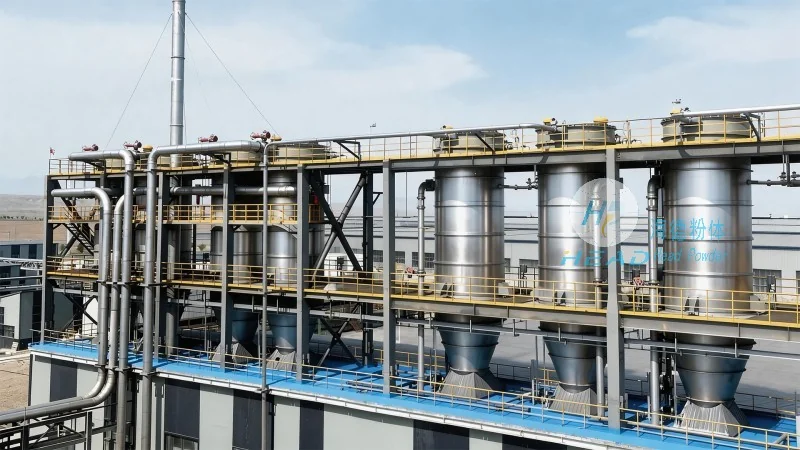
Shandong HeadPowder Engineering Co., Ltd. brings decades of experience to the design and manufacturing of tea material handling systems. Our team of engineers and technicians works closely with clients to understand their unique production requirements and develop customized solutions. We utilize advanced materials and engineering techniques to create systems that are not only efficient but also durable and low-maintenance. Our commitment to quality and customer satisfaction has made us a trusted partner for tea processing companies worldwide. HeadPowder's systems are designed to meet the highest standards of hygiene and efficiency, ensuring that tea leaves are handled with care from the moment they enter the processing facility until they are packaged for distribution. By leveraging our expertise in mechanical engineering and material science, we provide solutions that enhance the overall productivity and profitability of our clients' operations.