A wool material handling system is a specialized set of equipment and processes designed to efficiently manage the movement, storage, and processing of wool fibers and related materials. This system is crucial in the textile industry, particularly for wool processing facilities, as it ensures the safe and effective handling of raw wool from receipt to further processing stages. The design of such systems involves careful consideration of material properties, operational requirements, and industry standards to optimize performance and minimize risks.
Key Design Principles for Wool Material Handling Systems
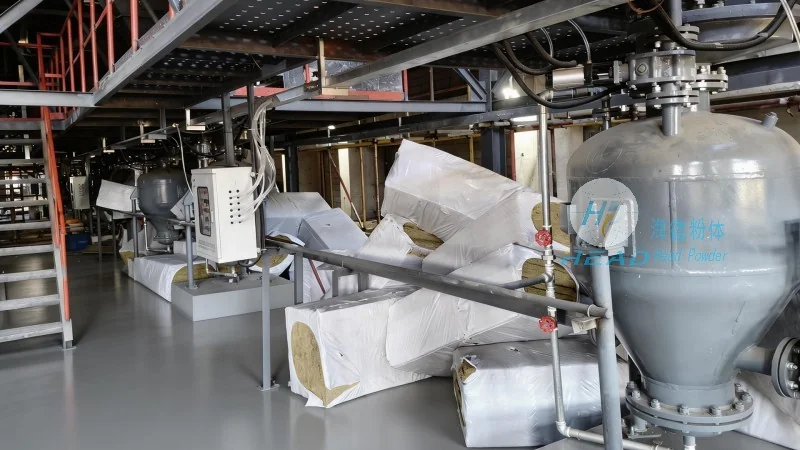
The design of a wool material handling system is guided by several fundamental principles that ensure efficiency, safety, and durability. First, the system must accommodate the unique characteristics of wool, including its fibrous nature, varying moisture content, and potential for contamination. This involves selecting appropriate materials for components like conveyors, hoppers, and storage bins that can withstand the abrasive and hygroscopic properties of wool. Second, the system is designed to maintain the integrity of the wool fibers, preventing damage that could affect the quality of the final textile products. This includes gentle handling mechanisms, such as slow-moving conveyors and soft-edged containers, to avoid fiber breakage or matting. Third, the system emphasizes safety and compliance with occupational health and safety regulations. This involves integrating features like dust suppression systems, proper ventilation, and secure access points to protect operators from hazards like dust inhalation and mechanical injuries. Fourth, the design considers operational efficiency and scalability. The system is engineered to handle varying volumes of wool, with adjustable speed controls and modular components that allow for easy expansion or reconfiguration as production needs change. Finally, the system incorporates maintenance and monitoring features to ensure long-term reliability. This includes easy access to components for cleaning and repair, as well as sensors to monitor key parameters like temperature, moisture, and material flow, enabling proactive maintenance and reducing downtime.
Components and Functionality of Wool Material Handling Systems
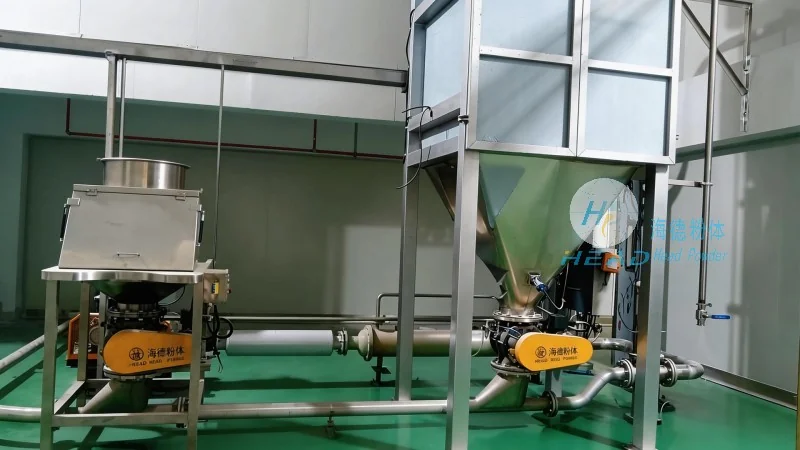
A typical wool material handling system consists of several interconnected components that work together to achieve seamless material flow. The primary components include receiving and storage hoppers, which are used to collect and temporarily store raw wool before processing. These hoppers are often equipped with dust collection systems to control airborne fibers and maintain a clean working environment. From the storage hoppers, the wool is transferred to processing equipment via a network of conveyors. The most common types of conveyors used in wool handling are belt conveyors and screw conveyors, which are chosen based on the specific characteristics of the wool and the processing requirements. Belt conveyors are ideal for transporting loose wool over longer distances, while screw conveyors are better suited for vertical or inclined movement and can handle more compacted material. The system may also include feeding mechanisms, such as rotary feeders or vibratory feeders, which evenly distribute the wool into the processing machinery. These feeders ensure consistent material flow and prevent overloading or blockages in the processing equipment. Additionally, the system may include sorting and grading equipment to separate wool based on quality, length, or color. This step is critical for ensuring that the wool is processed according to its intended use, whether for high-quality textiles or lower-grade products. The final components of the system include discharge mechanisms and storage bins for processed wool, which are then ready for further processing or packaging.
Applications and Benefits of Wool Material Handling Systems
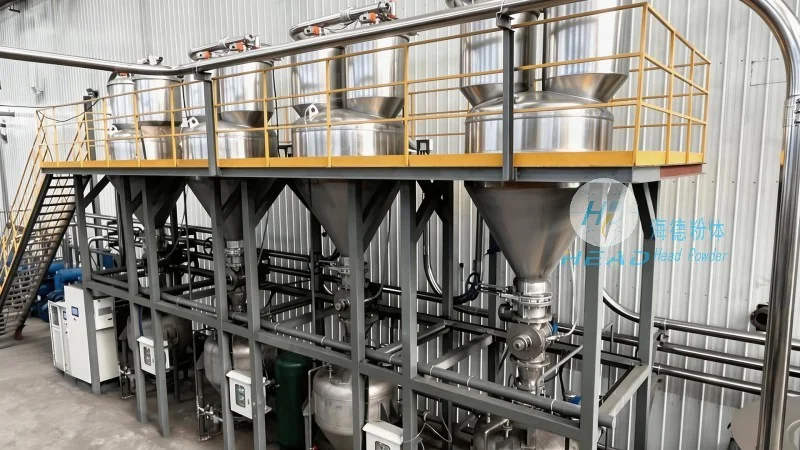
Wool material handling systems are widely used in various stages of the wool processing industry, from raw material reception to final product preparation. In the initial stages, the system is used to receive and store large bales of raw wool, which are then broken down and cleaned. The system helps streamline this process by efficiently moving the wool from the bales to the cleaning machinery, reducing manual labor and improving processing speed. During the cleaning and scouring stages, the system ensures that the wool is handled gently to preserve its natural properties. The gentle handling reduces fiber damage, which is essential for maintaining the quality of the final textile products. In the carding and spinning stages, the system continues to play a critical role by transporting the processed fibers to the next stage of production. The consistent flow of material ensures that the spinning machinery operates at optimal efficiency, minimizing downtime and maximizing output. The benefits of a well-designed wool material handling system extend beyond operational efficiency. By maintaining the integrity of the wool fibers, the system helps preserve the natural characteristics of the wool, such as its insulating properties and durability. This is particularly important for high-end textile products, where the quality of the raw material directly impacts the final product's performance and market value. Additionally, the system enhances safety in the workplace by reducing the need for manual handling of heavy bales and by controlling dust and other airborne contaminants. This not only protects the health of the workers but also complies with regulatory requirements, reducing the risk of fines or operational disruptions. Finally, the scalability of the system allows businesses to adapt to changing production demands, whether expanding their operations or processing different types of wool. This flexibility helps businesses remain competitive in a dynamic market and ensures long-term sustainability.
About Shandong HeadPowder Engineering Co., Ltd.
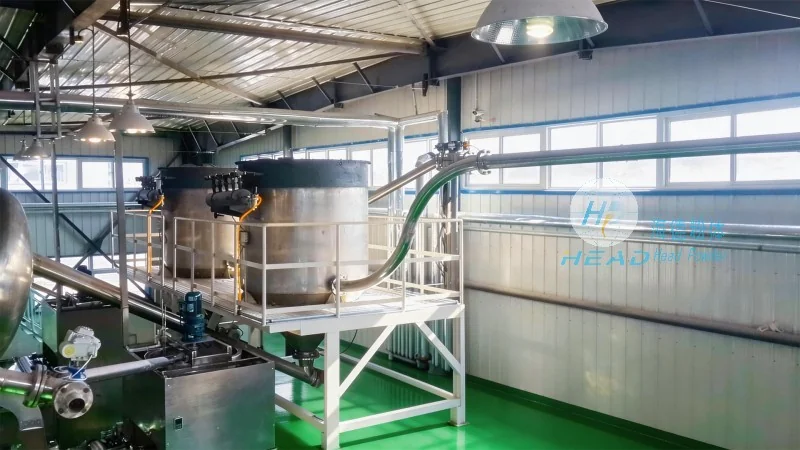
Shandong HeadPowder Engineering Co., Ltd., commonly known as HeadPowder, is a leading manufacturer and supplier of specialized material handling systems, including those designed for wool processing. With a strong focus on innovation and customer satisfaction, HeadPowder has established itself as a trusted partner in the textile industry. The company's expertise lies in designing and manufacturing systems that meet the unique needs of wool processing facilities, ensuring that clients receive high-quality, reliable equipment tailored to their specific requirements. HeadPowder's commitment to quality is evident in its adherence to industry standards and rigorous testing procedures. Each system is carefully engineered to ensure durability, efficiency, and safety, with components made from materials that can withstand the harsh conditions of wool handling. The company also provides comprehensive after-sales support, including installation, maintenance, and technical assistance, to ensure that clients can maximize the performance of their equipment over its lifespan. HeadPowder's presence in China, with its strategic location in Shandong, allows the company to serve a wide range of clients across the region and beyond. The company's team of experienced engineers and technicians brings a wealth of knowledge and expertise to every project, ensuring that the final product meets the highest standards of quality and functionality. By combining advanced technology with a customer-centric approach, HeadPowder continues to deliver solutions that help businesses in the textile industry improve their operations and achieve their goals.




