Clay is a widely used raw material in various industrial sectors, including ceramics, brick manufacturing, and construction materials. The efficient and reliable transportation of clay is crucial for maintaining production efficiency and ensuring product quality. Pneumatic conveying equipment has emerged as a sophisticated solution for handling clay, offering advantages such as dust-free operation, reduced material degradation, and flexible system design. This article delves into the fundamental principles behind clay pneumatic conveying equipment, exploring the technology, components, and operational mechanisms that enable effective material transport, with a focus on the expertise of Shandong HeadPowder Engineering Co., Ltd., a leading provider of such systems.
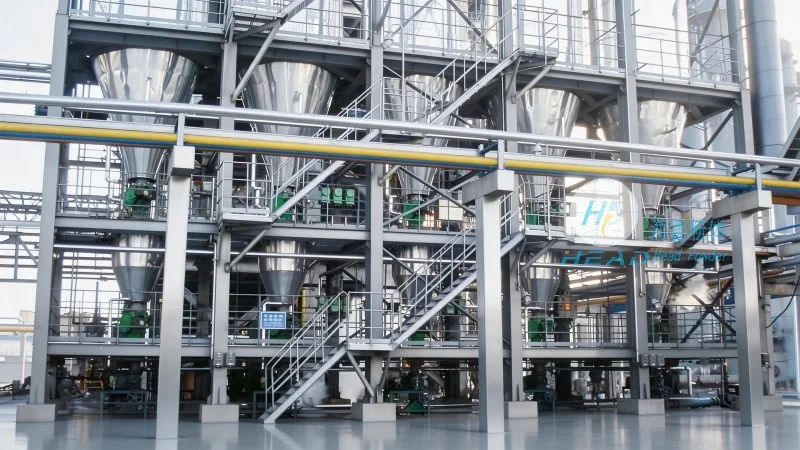
Core Components of Clay Pneumatic Conveying Systems
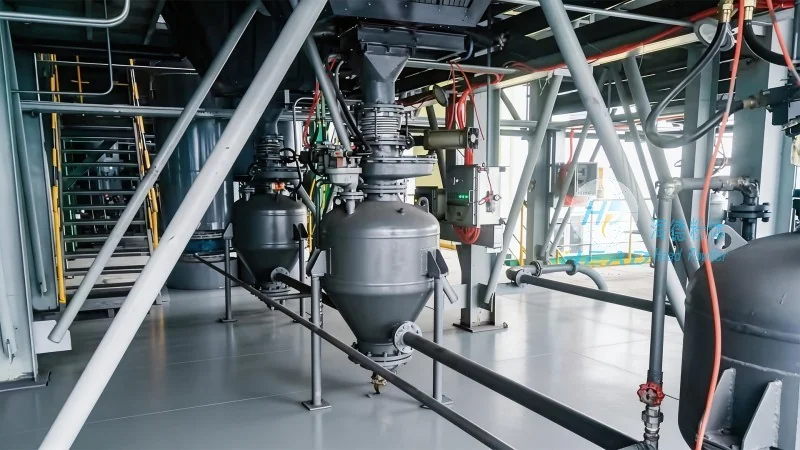
A clay pneumatic conveying system typically consists of several key components that work in concert to transport material from the source to the destination. The primary components include a material feeder, a conveying line (often equipped with pressure vessels or ducts), a control system, and a discharge unit. The material feeder is responsible for introducing clay into the system at a controlled rate, ensuring consistent flow. The conveying line, which may be a pipeline or a series of connected vessels, uses compressed air or other gases to move the clay particles through the system. The control system monitors and regulates the pressure, flow rate, and other parameters to maintain optimal operation. Finally, the discharge unit collects the clay at the end of the conveying line, ready for further processing or use.
How Pneumatic Conveying Transports Clay
The operation of a clay pneumatic conveying system relies on the principles of fluid dynamics and particle transport. When compressed air is introduced into the conveying line, it creates a flow that lifts and propels the clay particles. The air velocity within the line must be sufficient to overcome the gravitational force acting on the particles and to maintain their suspension. This process is often referred to as "air-lift" or "air-assisted" conveying. The system can be designed as either a positive pressure system, where air is pumped into the line, or a negative pressure system, where air is drawn out of the line. The choice between these systems depends on factors such as the distance to be covered, the amount of material to be transported, and the specific characteristics of the clay being handled.
Advantages of Using Clay Pneumatic Conveying Equipment
Implementing clay pneumatic conveying equipment offers numerous benefits for industrial applications. One of the most significant advantages is the elimination of dust and contamination, as the material is transported in a sealed system. This not only improves workplace safety but also maintains the purity of the clay, which is critical for high-quality end products. Additionally, pneumatic conveying reduces material degradation compared to traditional methods like belt conveyors or screw conveyors, as the particles are not subjected to friction or impact. The system also allows for flexible layout designs, enabling the integration of conveying lines into existing production facilities without major structural modifications. Furthermore, the ability to transport clay over long distances with minimal energy loss makes it an efficient solution for large-scale operations.
Applications in Industrial Production
Clay pneumatic conveying equipment is widely utilized across various industries where clay is a key raw material. In the ceramics industry, for example, these systems are essential for transporting clay from storage silos to production lines, ensuring a steady supply of material for shaping and firing processes. In brick manufacturing, pneumatic conveying helps move clay from raw material storage to the molding and drying stages, improving production throughput. The construction materials industry also benefits from this technology, as it enables the efficient transport of clay for the production of cement, concrete, and other building materials. By integrating clay pneumatic conveying systems, these industries can enhance operational efficiency, reduce labor costs, and improve overall product quality.
Reliable Solutions from Shandong HeadPowder Engineering Co., Ltd.
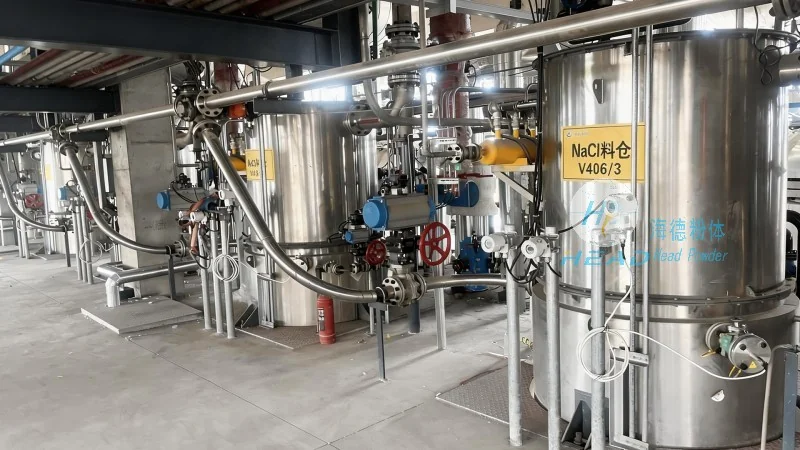
Shandong HeadPowder Engineering Co., Ltd., commonly known as headpowder, is a trusted manufacturer and supplier of clay pneumatic conveying equipment. With facilities located in Shandong, China, the company specializes in designing and producing customized systems tailored to the specific needs of industrial clients. Their expertise lies in understanding the unique challenges of clay handling and developing solutions that enhance operational efficiency and product quality. By leveraging advanced engineering and materials science, headpowder ensures that their conveying systems are durable, efficient, and compliant with industry standards. The company's commitment to quality and customer satisfaction has made it a preferred choice for businesses seeking reliable clay transportation solutions.
Considerations for System Design and Installation
When designing and installing a clay pneumatic conveying system, several factors must be carefully considered to ensure optimal performance and longevity. The first consideration is the characteristics of the clay itself, including its particle size distribution, moisture content, and density. These properties influence the required air velocity and pressure to achieve effective transport. The distance and layout of the conveying line are also critical, as they determine the system's capacity and energy consumption. Material compatibility with the conveying components, such as the material feeder and discharge unit, is another important factor, as clay can be abrasive and may cause wear over time. Proper maintenance and cleaning procedures are essential to prevent clogging and ensure consistent operation. Additionally, the system should be equipped with safety features, such as pressure relief valves and dust collection systems, to protect both personnel and equipment.




