Regenerated sand, also known as reclaimed sand, is a crucial material in the casting industry, and its efficient handling is essential for maintaining production efficiency and quality. Pneumatic conveying, a technology that uses air to transport materials, offers a solution for transporting regenerated sand from one location to another. This article explores the concept of regenerated sand pneumatic conveying, classifies different types of pneumatic conveying systems, and discusses their practical applications.
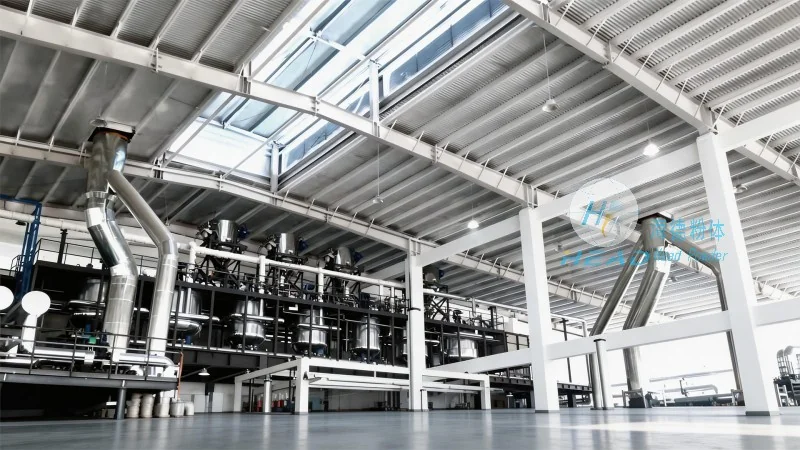
Understanding Regenerated Sand Pneumatic Conveying
Regenerated sand is the sand that has been used in the casting process and then cleaned and reprocessed for reuse. The process of cleaning and reprocessing this sand involves removing impurities, such as metal particles and other contaminants, to restore its original properties. Pneumatic conveying is a method that uses compressed air to move the sand through a pipeline, eliminating the need for mechanical components like belts or buckets. This method is particularly suitable for transporting fine-grained materials like regenerated sand, as it can handle high volumes with minimal wear and tear on the equipment.
Classification of Pneumatic Conveying Systems
Pneumatic conveying systems are generally classified into two main categories: dilute-phase and dense-phase. Dilute-phase systems operate at higher air velocities, typically 20-30 meters per second, and are used for short to medium distances. They are suitable for transporting materials with low to medium density and are commonly used in applications where the material is not sensitive to pressure or temperature changes. Dense-phase systems, on the other hand, operate at lower air velocities, around 5-10 meters per second, and are used for longer distances or when the material is more sensitive to handling. These systems use a higher air-to-material ratio, which results in a slower, more controlled flow of the material.
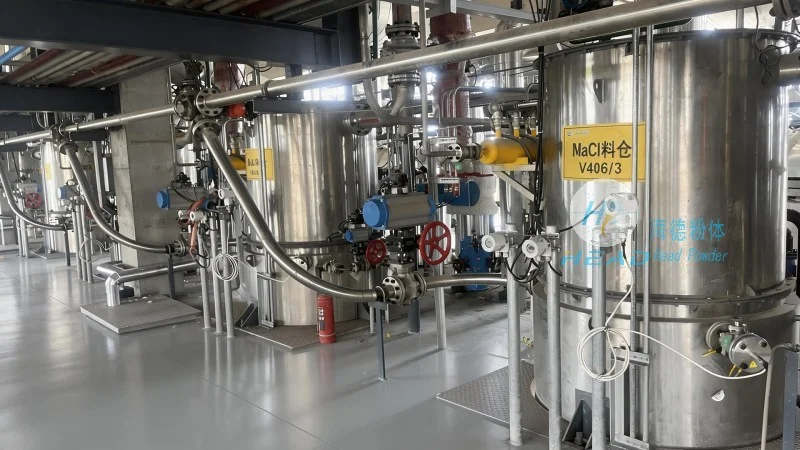
Applications of Pneumatic Conveying in Regenerated Sand Handling
The applications of pneumatic conveying in regenerated sand handling are diverse and essential for modern casting operations. One of the primary applications is the transport of regenerated sand from the cleaning and reprocessing area to the molding or casting area. This allows for a continuous and efficient flow of material, reducing downtime and improving overall productivity. Another application is the transfer of sand from storage silos to the casting machines, ensuring a steady supply of material without the need for manual handling. Additionally, pneumatic conveying can be used to transport sand from one production line to another, facilitating the integration of different processes and improving the overall efficiency of the casting facility.
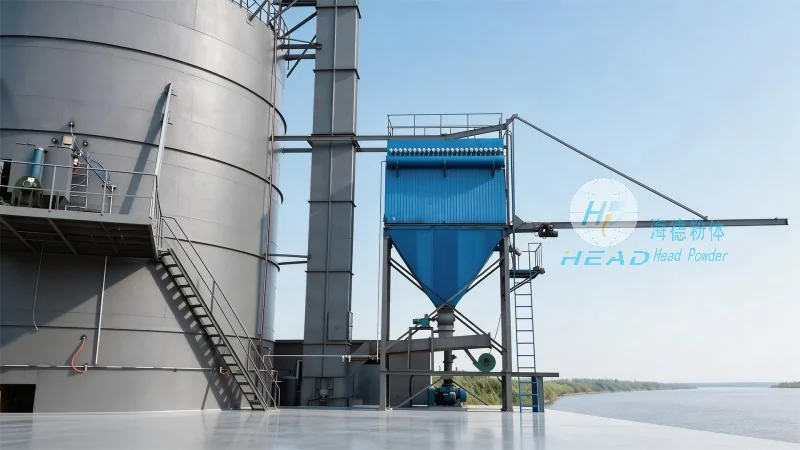
Benefits of Using Pneumatic Conveying for Regenerated Sand
There are several benefits to using pneumatic conveying for regenerated sand handling. First, it is a clean and hygienic method, as the sand is transported in a closed system, preventing contamination from the environment. Second, it is a low-maintenance system, as there are no moving parts that can wear out or break. Third, it is energy-efficient, as the system can be optimized to use the minimum amount of air required to transport the material. Finally, it is a flexible system, as it can be easily adapted to different production requirements and can handle a wide range of material types and sizes.
About Shandong HeadPowder Engineering Co., Ltd.
Shandong HeadPowder Engineering Co., Ltd., also known as HeadPowder, is a leading manufacturer of pneumatic conveying systems and related equipment. With years of experience in the industry, HeadPowder has developed a wide range of products that are designed to meet the specific needs of different industries, including the casting industry. The company's products are known for their high quality, reliability, and efficiency, and are used by many leading companies in the industry. HeadPowder is committed to providing its customers with the best possible service and support, ensuring that their equipment operates at peak performance and meets all their production requirements.




