

What is Sodium Phosphate Pneumatic Conveying? Classification and Applications of Pneumatic Conveying
Understanding the principles and applications of pneumatic conveying systems is crucial for industries dealing with bulk materials, such as sodium phosphate. This article explores the fundamentals of sodium phosphate pneumatic conveying, categorizes different types of pneumatic conveying systems, and discusses their practical applications in various industrial settings.
Introduction to Pneumatic Conveying
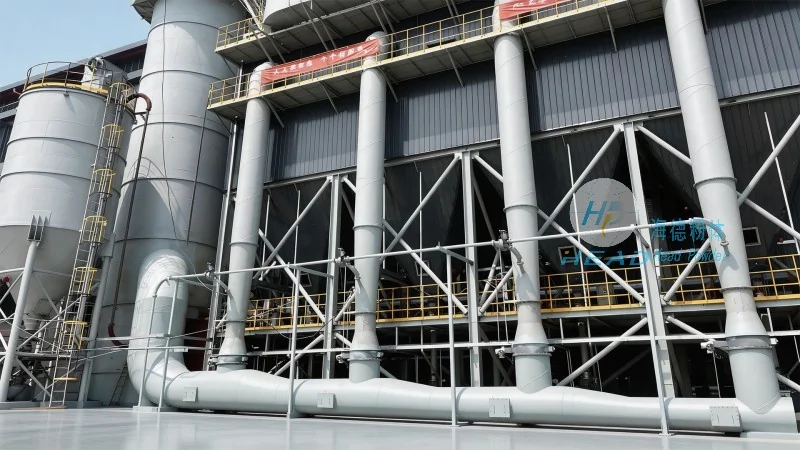
Pneumatic conveying, also known as pneumatic transport, is a method of transporting bulk materials through a pipeline using air or other gases. It involves the movement of material particles suspended in a gas stream, which can be either a pressure system (where air is compressed and forced through the pipeline) or a vacuum system (where air is drawn out to create a vacuum and pull material into the pipeline). The technology is widely used in industries like chemical processing, food processing, and pharmaceutical manufacturing due to its efficiency and ability to handle a wide range of materials, including powders and granules.
Sodium Phosphate and Its Significance in Pneumatic Conveying
Sodium phosphate is a common inorganic salt used in various industrial applications, including food additives, detergents, and water treatment. Its granular or powdered form makes it an ideal candidate for pneumatic conveying, as the material can be easily suspended in an air stream and transported over long distances without degradation. The properties of sodium phosphate, such as its hygroscopic nature and potential for caking, require specialized pneumatic conveying systems to ensure efficient and reliable transport. This section delves into the specific considerations for handling sodium phosphate using pneumatic conveying technologies.
Classification of Pneumatic Conveying Systems
Pneumatic conveying systems are typically classified based on the operating pressure and the method of material transport. The two main categories are pressure conveying and vacuum conveying. Each type has distinct characteristics and is suitable for different material and application requirements.
Pressure Pneumatic Conveying Systems
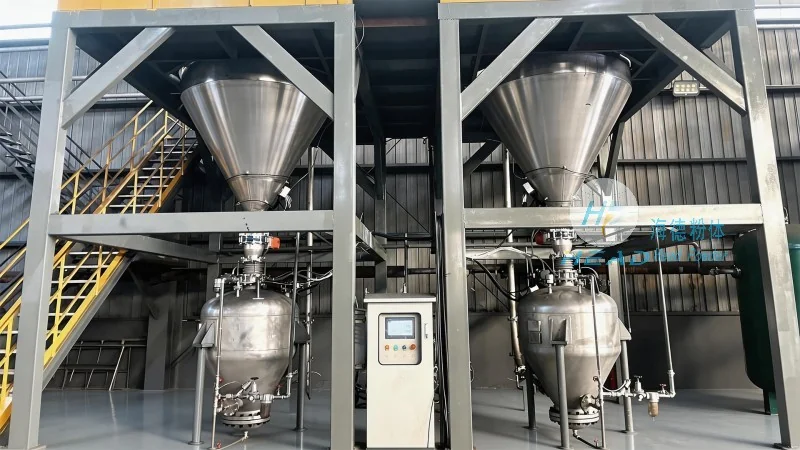
Pressure conveying systems operate by compressing air and forcing it through a pipeline at a pressure higher than the ambient air pressure. The material is introduced into the system at a high-pressure point, and the air stream carries the material particles along the pipeline. This method is suitable for long-distance transport and can handle materials with higher moisture content or those that are prone to caking. The system typically includes a positive displacement blower or a rotary lobe compressor to generate the necessary pressure. The key components of a pressure system include a material feeder, a pressure vessel, a pipeline network, and a discharge unit. The efficiency of pressure conveying depends on the pressure differential and the length of the pipeline. For sodium phosphate, pressure systems are often preferred for bulk transport from storage silos to processing units, as they can maintain the material's quality and prevent segregation.
Vacuum Pneumatic Conveying Systems
Vacuum conveying systems, on the other hand, operate by creating a vacuum in the pipeline, which draws material from a source into the system. The material is then transported to a collection point under the vacuum. This method is suitable for short to medium distances and is commonly used for handling materials from hoppers or containers. The system includes a vacuum pump, a material feeder, a pipeline network, and a receiver. Vacuum systems are particularly useful for transporting materials that are difficult to feed or for applications where the material needs to be collected from multiple points. For sodium phosphate, vacuum systems are often used in food processing plants to transport powdered sodium phosphate from storage bins to mixing or packaging areas, ensuring a clean and hygienic process.
Applications of Pneumatic Conveying in Sodium Phosphate Handling
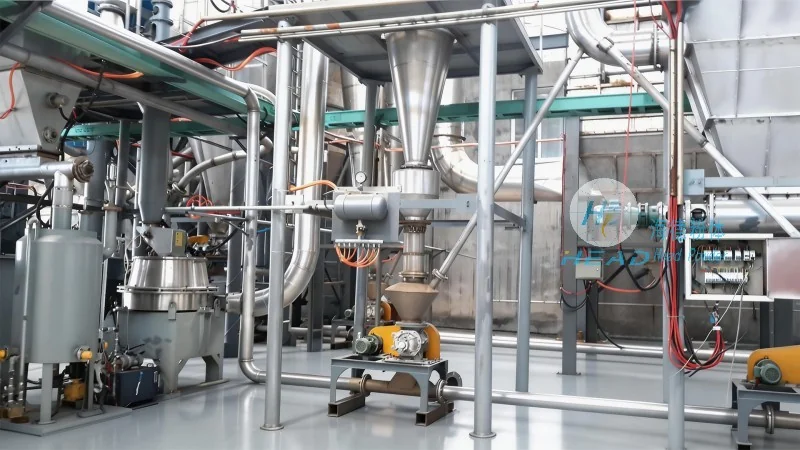
The applications of pneumatic conveying for sodium phosphate vary across different industries. In the food industry, sodium phosphate is used as a food additive to improve texture and stability. Pneumatic conveying systems are used to transport the powdered form from storage to production lines, where it is mixed with other ingredients. The systems must be designed to maintain the material's purity and prevent contamination, which is critical in food processing. In the chemical industry, sodium phosphate is used in the production of detergents and cleaning agents. Pneumatic conveying is used to transport the granular form from raw material storage to processing units, where it is reacted with other chemicals. The systems must be able to handle the material's hygroscopic properties and prevent moisture absorption during transport. In the pharmaceutical industry, sodium phosphate is used as an excipient in drug formulations. Pneumatic conveying systems are used to transport the powdered form from raw material storage to manufacturing lines, ensuring a sterile and controlled environment. The systems must meet stringent hygiene standards and be easy to clean and maintain.
Key Considerations for Pneumatic Conveying of Sodium Phosphate
When designing and implementing pneumatic conveying systems for sodium phosphate, several factors must be considered to ensure optimal performance and material quality. These include the material's physical properties, such as particle size, density, and moisture content, as well as the system's operating parameters, such as pressure, air velocity, and pipeline diameter. The choice between pressure and vacuum systems depends on the distance to be covered, the material's characteristics, and the required material flow rate. Additionally, the system must be equipped with appropriate filters and separators to prevent material buildup and maintain air quality. For sodium phosphate, which is hygroscopic, the system must be designed to minimize exposure to moisture and prevent caking. The use of corrosion-resistant materials, such as stainless steel, is also important to ensure the system's longevity and maintain the material's purity.
Conclusion
Pneumatic conveying is a versatile and efficient method for transporting sodium phosphate and other bulk materials. The classification of pneumatic conveying systems into pressure and vacuum types allows for tailored solutions based on specific application requirements. By understanding the principles and applications of these systems, industries can optimize their material handling processes, improve efficiency, and maintain product quality. As a leading provider of engineering solutions, Shandong HeadPowder Engineering Co., Ltd. specializes in designing and manufacturing customized pneumatic conveying systems for various industrial applications, including those involving sodium phosphate. With a focus on quality, reliability, and customer satisfaction, HeadPowder offers innovative solutions to meet the unique needs of each client.