Chlorinated polyethylene (CPE) is a versatile polymer widely used in various industrial applications due to its excellent chemical resistance, flexibility, and processing properties. When handling CPE powder, efficient and reliable conveying systems are essential to ensure smooth material flow and maintain product integrity. This article provides an overview of the powder handling processes for chlorinated polyethylene, focusing on the structural design and operational principles of the conveying equipment.
Understanding Chlorinated Polyethylene Powder Handling
Chlorinated polyethylene powder is typically produced through the chlorination of polyethylene, resulting in a material that retains the basic structure of polyethylene while introducing chlorine atoms to enhance its performance characteristics. The powder form of CPE is commonly used in applications such as plastic additives, rubber compounding, and protective coatings. Efficient handling of this powder is critical to prevent agglomeration, maintain consistent particle size distribution, and ensure safe and effective processing.
Structural Design of Powder Conveying Systems
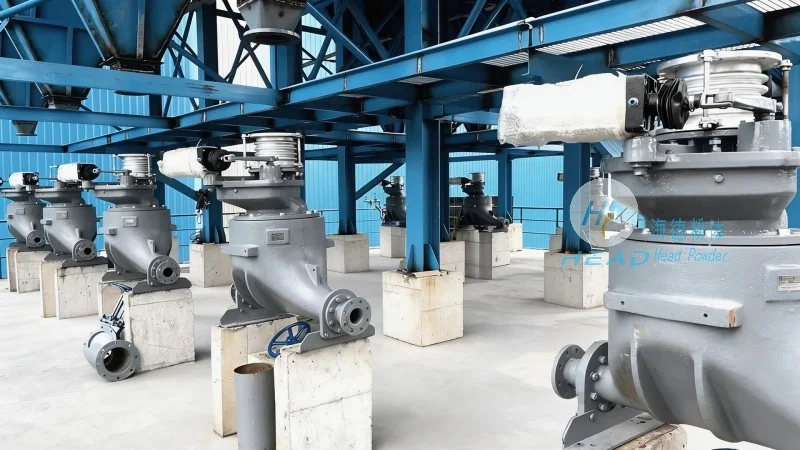
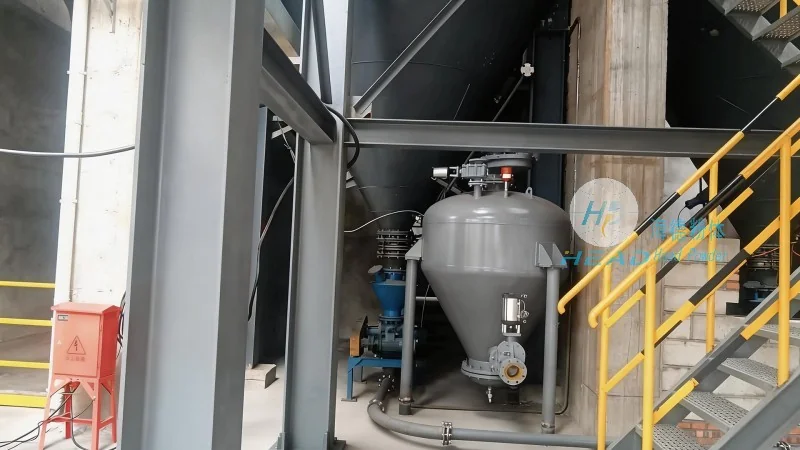
The conveying systems for chlorinated polyethylene powder are engineered to address the unique challenges posed by this material. Key components include feed hoppers, screw conveyors, pneumatic transport lines, and control valves. The feed hopper is designed to store and meter the powder into the conveying system, often equipped with level sensors to monitor material volume. Screw conveyors, which are commonly used for horizontal or slight incline transport, feature helical screws that move the powder along the trough. Pneumatic systems, on the other hand, utilize compressed air to transport the powder through flexible or rigid ducts, offering advantages in vertical or long-distance transport.
Working Principles of Conveying Equipment
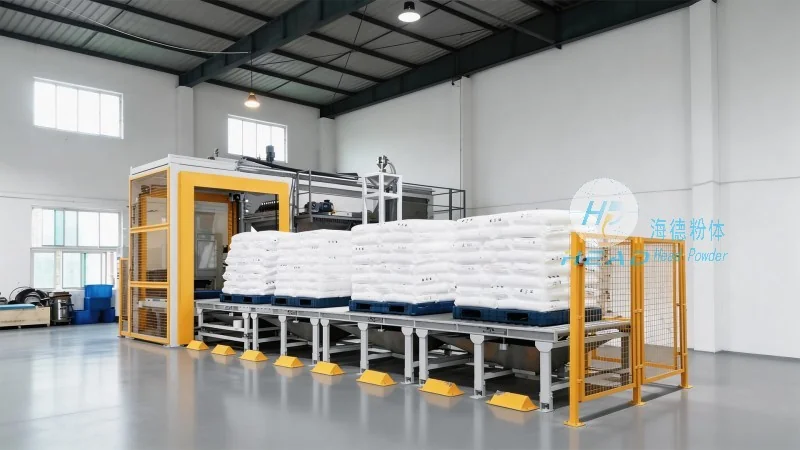
The operational principles of CPE powder conveying equipment are centered on the mechanics of material movement and control. For screw conveyors, the rotation of the helical screw creates a pushing action that propels the powder forward. The speed and pitch of the screw can be adjusted to optimize flow rates and prevent material degradation. Pneumatic systems rely on the pressure differential between the inlet and outlet of the transport line to move the powder. The air velocity and duct diameter are critical parameters that determine the conveying capacity and efficiency. Additionally, control valves and regulators are used to manage the flow rate and pressure, ensuring stable operation and preventing overloading or blockages.
Company Overview: Shandong HeadPowder Engineering Co., Ltd.
Shandong HeadPowder Engineering Co., Ltd., operating under the brand name headpowder, specializes in the design, manufacturing, and integration of powder handling systems tailored to the needs of the chemical and polymer industries. With a focus on innovation and customer satisfaction, the company has established itself as a trusted partner for businesses requiring reliable solutions for material transport and processing. HeadPowder's expertise lies in understanding the specific properties of materials like chlorinated polyethylene and developing customized conveying systems that meet stringent performance and safety standards.
Location and Operational Base
HeadPowder is headquartered in Shandong, China, a region known for its robust industrial infrastructure and manufacturing capabilities. The company's facilities are equipped with advanced technology and skilled personnel to support the development and production of high-quality powder handling equipment. By leveraging the local industrial ecosystem, HeadPowder ensures efficient supply chains and timely delivery of its products to clients worldwide.




