HeadPowder, a leading manufacturer based in Shandong, China, specializes in the design and production of advanced pneumatic conveying systems tailored for handling kaolin powder. This article provides a comprehensive overview of the equipment, focusing on its structural design and operational principles to help users understand its functionality and benefits.
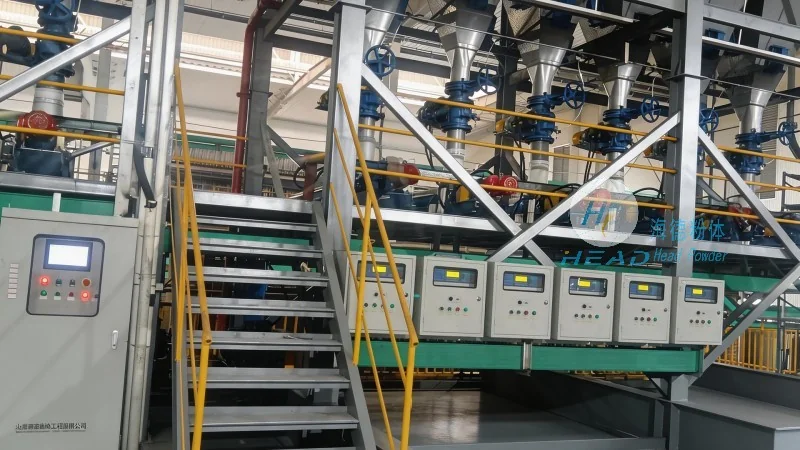
Overview of Kaolin Powder Pneumatic Conveying Equipment
The pneumatic conveying equipment for kaolin powder is engineered to efficiently transport fine powders like kaolin over short to medium distances. It operates by using compressed air or other gases to move the material through a pipeline system. This method offers advantages such as minimal product contamination, reduced maintenance requirements, and the ability to handle materials in a closed system, which is crucial for maintaining product quality and safety.
Key Structural Components of the Equipment
The system typically consists of several critical components that work in concert to ensure smooth operation. These include a hopper for material storage, a feeder to control the flow rate, a conveying line with appropriate pipe diameter and material, a pressure vessel or receiver to collect the material at the destination, and a control system to regulate the air flow and pressure. Each component is designed to withstand the specific demands of kaolin powder, which can be abrasive and prone to caking under certain conditions.
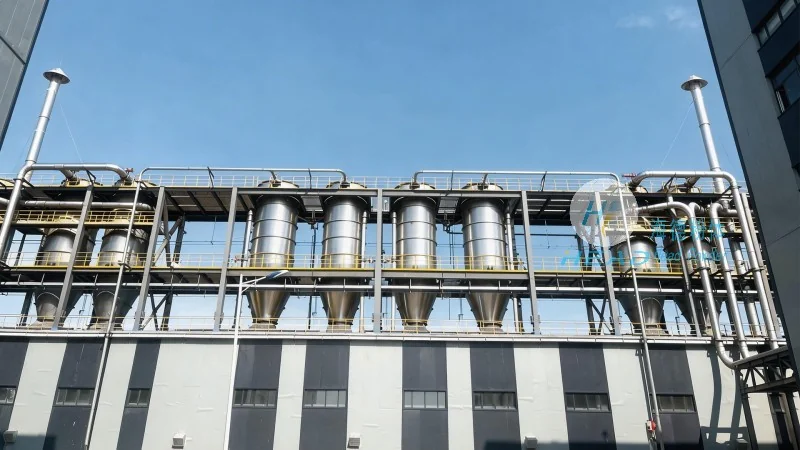
Working Principle of the Pneumatic Conveying Process
The operation begins with the material being fed from the hopper into the conveying line. A controlled amount of compressed air is introduced at the inlet, creating a high-velocity flow that entrains the kaolin powder particles. As the mixture travels through the pipeline, the air and powder are separated at the receiving end, where the powder is deposited into a container or storage area. The air, now clean, is either recycled back into the system or released to the atmosphere, depending on the system design. This process is continuous and can be adjusted to handle varying flow rates and material characteristics.
Advantages of Using Pneumatic Conveying for Kaolin Powder
Compared to traditional mechanical conveying methods, pneumatic systems offer several benefits for kaolin powder handling. The closed pipeline design prevents dust emissions, which is essential for maintaining a clean working environment and complying with environmental regulations. Additionally, the system can handle kaolin powder with high moisture content or that tends to agglomerate, as the air flow helps to break up clumps and keep the material in a free-flowing state. The flexibility of the system allows for easy integration into existing production lines, and the low maintenance requirements reduce operational costs over time.
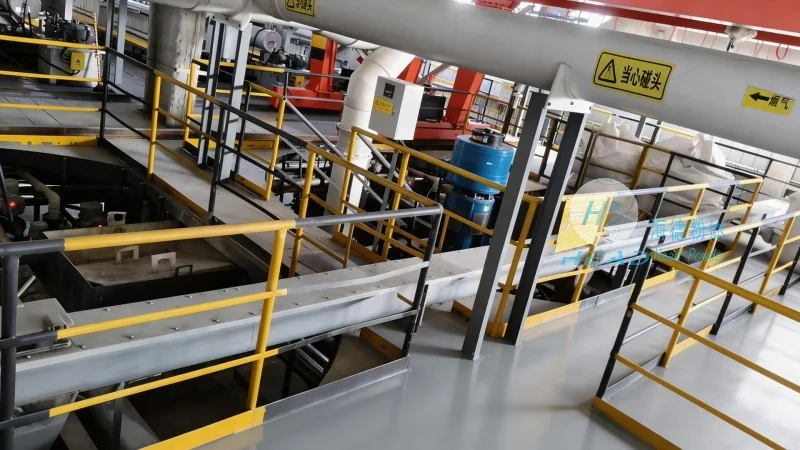
Application Scenarios and Customization Options
HeadPowder's pneumatic conveying equipment is suitable for a wide range of applications in the kaolin processing industry, including raw material transport from storage to processing units, intermediate product transfer between production stages, and final product delivery to packaging or storage facilities. The company offers customized solutions based on client-specific requirements, such as the required conveying distance, material flow rate, and environmental constraints. Engineers at HeadPowder work closely with clients to design systems that optimize performance and efficiency, ensuring that the equipment meets the unique needs of each operation.
Maintenance and Operational Considerations
To ensure the longevity and reliability of the pneumatic conveying equipment, regular maintenance is essential. This includes checking the condition of the conveying line for any signs of wear or damage, inspecting the air filtration system to prevent clogging, and verifying the performance of the control system. Proper maintenance not only extends the equipment's lifespan but also maintains consistent material quality and system efficiency. Additionally, operators should be trained on the proper operation of the system to avoid overloading the pipeline or causing pressure spikes that could damage components.




