For industries dealing with aluminum flake, efficient and reliable material handling is crucial. Pneumatic conveying systems offer a solution that minimizes contamination, reduces labor costs, and enhances overall operational safety. This article provides an overview of aluminum flake pneumatic conveying equipment, focusing on its structural design and operational principles.
Key Components of Aluminum Flake Pneumatic Conveying Systems
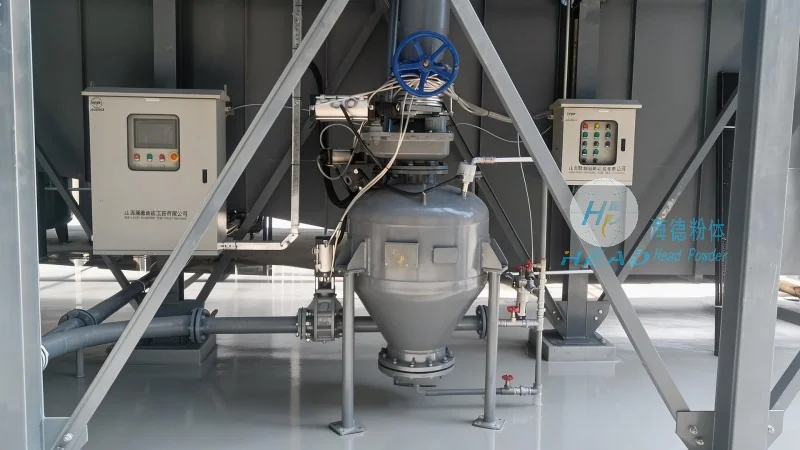
The core of any pneumatic conveying system consists of several essential components that collaborate to transport aluminum flake from one location to another. The primary components include the material feed hopper, the conveying line (typically a pipe), the air supply system (blower or compressor), and the discharge unit. Each component is critical to ensuring smooth and consistent material transport.
The material feed hopper is designed to hold the aluminum flake and provide a controlled feed rate into the conveying line. It often features a gate valve or a rotary valve to regulate the flow of material, preventing overloading and ensuring a steady stream. The hopper is typically constructed from corrosion-resistant materials, such as stainless steel, to withstand the chemical properties of aluminum and any potential contaminants.
The Conveying Line and Air Supply System
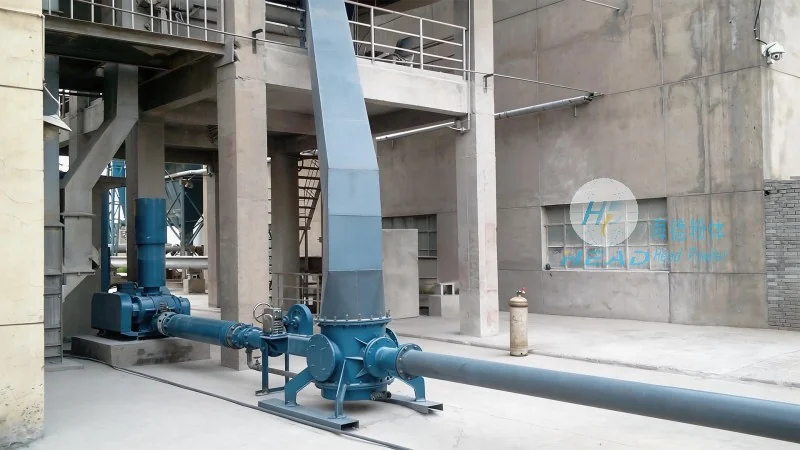
The conveying line, usually made of stainless steel or other non-corrosive materials, serves as the pathway for aluminum flake and air travel. The air supply system, which may include a positive displacement blower or a rotary lobe compressor, generates the necessary pressure and airflow to move the material. The choice of air supply depends on the system's capacity, the distance to be covered, and the specific characteristics of the aluminum flake, such as its density and particle size.
In many systems, the conveying line is equipped with in-line mixers or pulse valves to maintain the material's suspension and prevent blockages. These components ensure that the aluminum flake remains entrained in the air stream, reducing the risk of clogging and improving the overall efficiency of the system. The air supply system is also designed to handle the temperature and pressure requirements of the material, ensuring safe and effective operation.
Discharge and Collection Units
The discharge unit is responsible for releasing the aluminum flake from the conveying line at the destination point. This unit may include a rotary valve, a baghouse, or a dust collector, depending on the application. The design of the discharge unit is critical to prevent material loss and ensure a clean, controlled release. For aluminum flake, which can be fine and easily airborne, a dust collection system is often integrated to capture any particles that may escape during the discharge process.
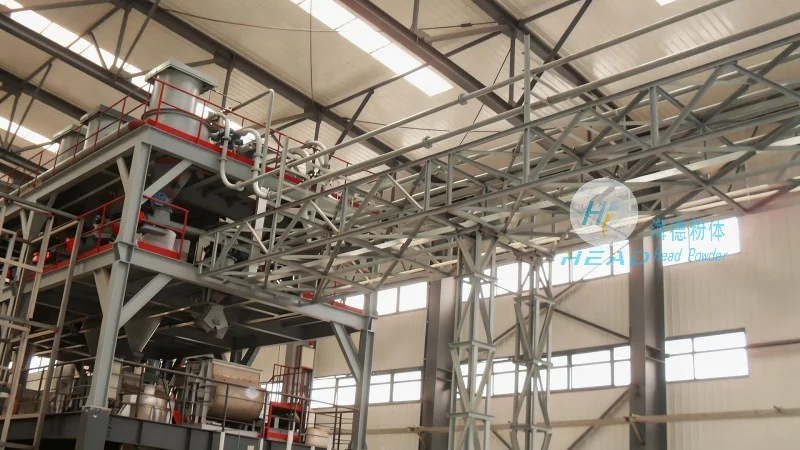
Some systems also include a surge tank or a storage bin at the discharge end to buffer the material flow and provide a steady supply to downstream processes. This helps to maintain consistent material levels and prevent interruptions in production. The discharge unit is typically equipped with filters or cyclones to separate the aluminum flake from the air, ensuring that the material is collected in a clean and usable form.
Operational Principles and Advantages
Pneumatic conveying systems operate on the principle of using air to transport material through a pipeline. The air flow creates a low-pressure zone in the conveying line, which draws the aluminum flake into the stream. The material is then carried along the line by the air, maintaining a suspension until it reaches the discharge point. This method is particularly effective for handling fine or dusty materials like aluminum flake, as it minimizes the risk of material degradation and contamination.
Compared to traditional mechanical conveying methods, such as belt conveyors or screw conveyors, pneumatic systems offer several advantages. They are more flexible in terms of layout, as the conveying line can be routed around obstacles and through multiple levels. Additionally, they are less prone to material buildup and wear, reducing maintenance costs and extending the lifespan of the equipment. The enclosed system also helps to maintain a clean environment, which is essential for industries where product purity is critical.
About Shandong HeadPowder Engineering Co., Ltd.
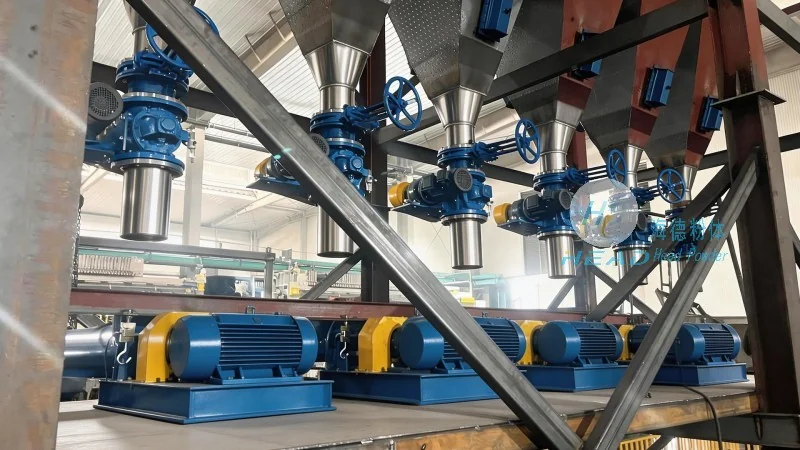
Shandong HeadPowder Engineering Co., Ltd., operating under the brand name headpowder, is a leading manufacturer of pneumatic conveying equipment and related solutions. With a focus on innovation and quality, the company specializes in designing and producing systems tailored to the specific needs of aluminum processing industries. HeadPowder's expertise lies in understanding the unique challenges of handling aluminum flake and developing solutions that enhance efficiency, safety, and product quality.
HeadPowder's facilities are located in Shandong, China, where the company leverages advanced manufacturing technologies and a team of experienced engineers to develop cutting-edge pneumatic conveying systems. The company adheres to strict quality control standards and provides comprehensive after-sales support to ensure customer satisfaction and long-term partnership. By combining technical expertise with customer-centric service, HeadPowder aims to be a trusted partner for industries seeking reliable material handling solutions.




