HeadPowder, a leading engineering company based in Shandong, China, specializes in the design and manufacturing of advanced pneumatic conveying systems tailored for agricultural applications. This article provides an overview of silage material pneumatic conveying systems, detailing their structural components and operational principles to help users understand the technology's capabilities and benefits.
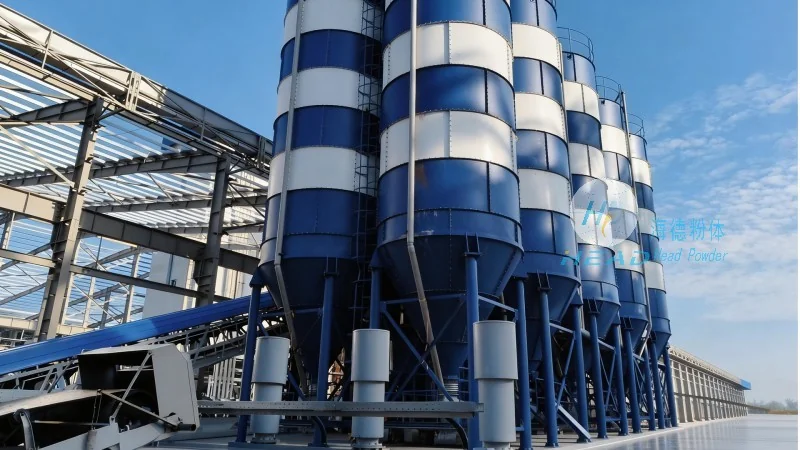
Company Profile and Background
HeadPowder Engineering Co., Ltd. is a professional enterprise dedicated to providing high-quality engineering solutions for material handling in the agricultural sector. With a focus on innovation and precision, the company has established itself as a trusted provider of pneumatic conveying systems for silage, a critical component in modern livestock farming. Headquartered in Shandong, China, HeadPowder leverages years of industry experience to develop systems that enhance efficiency, reduce labor costs, and ensure the quality of feed materials.
Understanding Silage Pneumatic Conveying Systems
Silage is a fermented forage used as animal feed, typically made from grasses, legumes, or other crops. Traditional methods of handling silage, such as manual loading or mechanical conveyors, often face challenges like dust generation, material degradation, and inefficient transport. Pneumatic conveying systems offer a more effective solution by using air pressure to move silage from storage to processing or feeding areas. These systems are particularly advantageous for large-scale operations where bulk material handling is required.
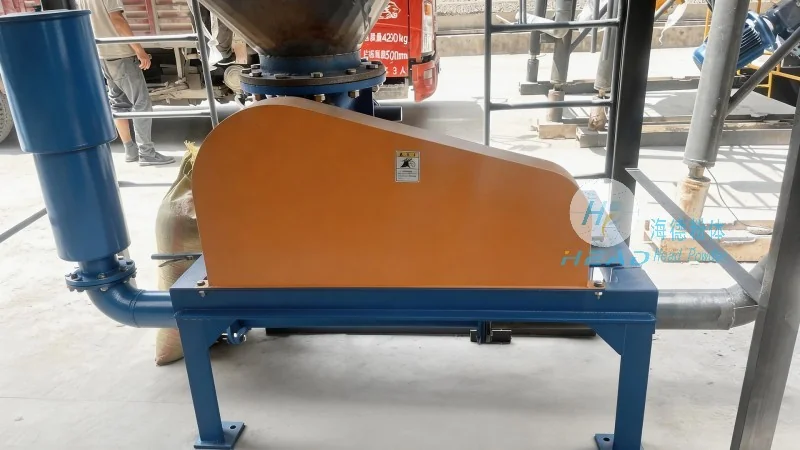
Key Structural Components of the System
The silage pneumatic conveying system consists of several interconnected components that work together to transport material efficiently. The primary components include:
- Feeder Unit: This component is responsible for feeding silage into the conveying line. It ensures a consistent flow of material, preventing blockages and maintaining system performance.
- Pneumatic Conveying Pipe: The main channel through which air and silage travel. The pipe is typically made of durable materials like stainless steel or PVC to withstand the corrosive nature of silage and the pressure of the conveying process.
- Blower or Air Compressor: Provides the necessary air pressure to move the silage through the pipe. The choice of blower depends on the system's capacity and the distance over which material needs to be transported.
- Control System: Manages the operation of the entire system, including the feeder, blower, and any additional components like filters or cyclones. It ensures smooth and safe operation by monitoring pressure, flow rate, and other critical parameters.
- Discharge Unit: Collects the silage at the end of the conveying line and directs it to the intended destination, such as a silo or feeding station.
Working Principles of the Pneumatic Conveying Process
The operation of a silage pneumatic conveying system follows a straightforward yet effective process. First, the feeder unit introduces silage into the conveying pipe. Simultaneously, the blower generates a high-pressure airflow that travels through the pipe. As the air moves, it carries the silage particles along with it, creating a mixture of air and material. The mixture is then transported to the discharge unit, where the air is separated from the silage, often using a cyclone or filter. The separated air is then vented, while the silage is collected for further use.
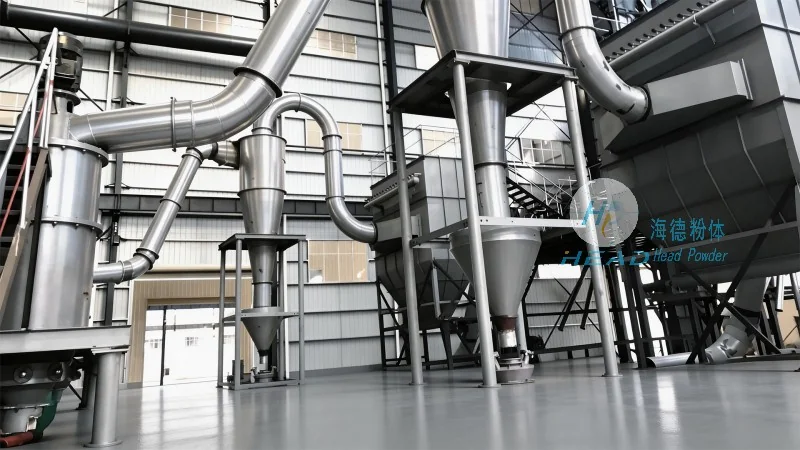
Advantages of Using Pneumatic Conveying for Silage
Implementing a pneumatic conveying system for silage offers several benefits that enhance operational efficiency and product quality. These advantages include:
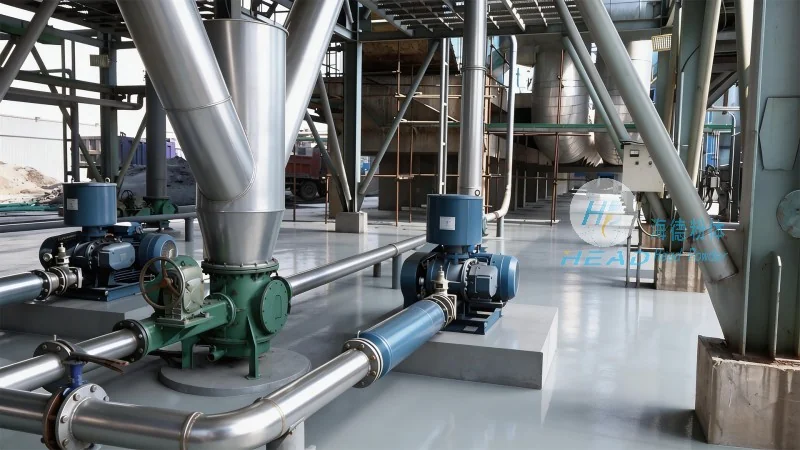
- Efficient Material Handling: The system can transport large volumes of silage over significant distances with minimal labor, reducing the need for manual handling and associated risks.
- Reduced Dust and Contamination: Unlike traditional conveyors, pneumatic systems minimize dust generation, which helps maintain a cleaner working environment and reduces the risk of respiratory issues for workers.
- Improved Material Integrity: The gentle handling of silage by the system preserves its nutritional value and structural integrity, ensuring that the feed remains high-quality for livestock.
- Space Efficiency: Pneumatic conveying systems are compact and can be installed in tight spaces, making them suitable for facilities with limited room for large equipment.
- Customizable Solutions: HeadPowder offers tailored systems that can be adjusted to meet specific operational requirements, including varying silage types, capacities, and transport distances.
Applications and Use Cases
Silage pneumatic conveying systems are widely used in various agricultural settings, including:
- Large-Scale Farming Operations: For farms with multiple silos and extensive livestock herds, these systems ensure consistent feed supply and reduce downtime.
- Feed Processing Plants: In facilities where silage is processed into other feed products, pneumatic conveying facilitates the smooth transfer of raw material to processing equipment.
- Animal Feed Distribution Centers: For companies that distribute silage to multiple farms, efficient conveying systems help maintain product quality during transport.
Conclusion
HeadPowder Engineering Co., Ltd. provides comprehensive solutions for silage pneumatic conveying systems, combining advanced engineering with practical application. By understanding the structural components and working principles of these systems, agricultural operations can enhance their material handling processes, improve efficiency, and ensure the quality of their feed. With a commitment to innovation and customer satisfaction, HeadPowder continues to lead in the development of reliable and effective pneumatic conveying technologies for the agricultural industry.




