Shandong HeadPowder Engineering Co., Ltd., commonly known as headpowder, specializes in the design and manufacturing of advanced pneumatic conveying systems tailored for handling calcium hydroxide powder. Located in Shandong, China, the company leverages years of industrial experience to deliver reliable and efficient equipment that meets the demands of various industrial applications. This article provides a detailed overview of the operation process and working principle of a typical calcium hydroxide powder pneumatic conveying system, highlighting key components, operational steps, and technical aspects that ensure optimal performance.
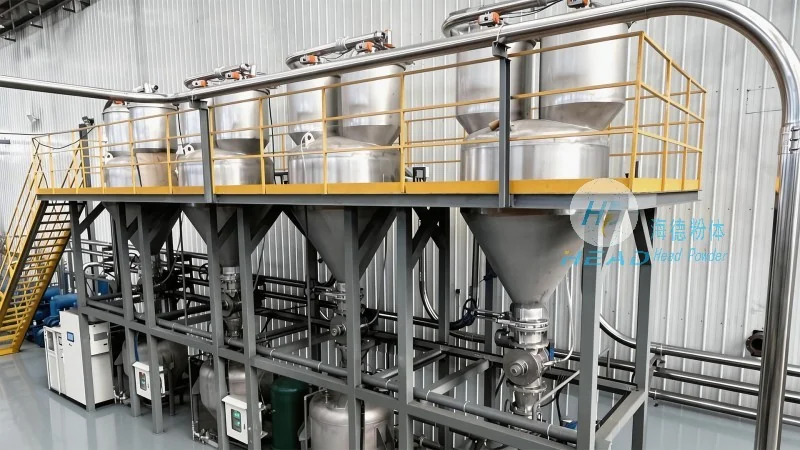
Working Principle of the Pneumatic Conveying System
The core of a pneumatic conveying system for calcium hydroxide powder is the transfer of material through a pressurized or vacuum environment using air or other gases. The system operates on the principle of creating a gas-solid flow where the powder is suspended and transported by the moving air stream. There are two primary types of pneumatic conveying: dilute-phase and dense-phase. For calcium hydroxide powder, which is typically light and free-flowing, a dilute-phase system is often preferred due to its efficiency and ability to handle long distances. The system consists of a hopper, a feeder, a conveying line, and a receiver. The hopper stores the calcium hydroxide powder, and the feeder regulates the flow rate into the conveying line. The conveying line, usually made of stainless steel or other corrosion-resistant materials, transports the powder through the air stream generated by a blower or compressor. The receiver collects the conveyed powder at the destination point. The working principle involves creating a pressure differential that pulls or pushes the powder along the pipeline, ensuring continuous and uniform transport without the need for mechanical components like belts or buckets.
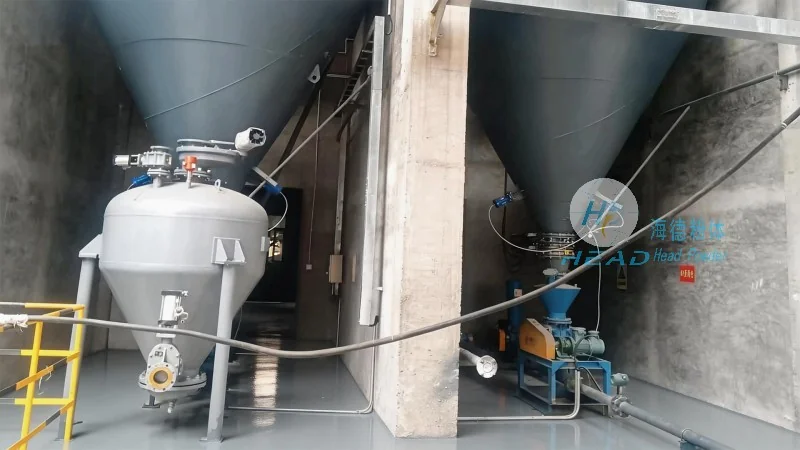
Operation Process of the Pneumatic Conveying Equipment
The operation process of a calcium hydroxide powder pneumatic conveying system follows a systematic sequence to ensure safe and efficient material transfer. The process begins with the preparation phase, where the hopper is filled with the required amount of calcium hydroxide powder. The system is then started by activating the blower or compressor, which generates the necessary air pressure. The feeder is adjusted to control the feed rate, ensuring that the powder is introduced into the conveying line at a consistent rate. As the air flows through the pipeline, it suspends the calcium hydroxide particles, creating a stable gas-solid mixture that travels from the hopper to the receiver. The receiver is positioned at the destination, such as a storage silo or processing unit, and is designed to collect the powder without spillage or loss. The system continues to operate until the hopper is emptied or the desired amount of powder has been transferred. The shutdown process involves first stopping the feeder to prevent additional material from entering the system, then reducing the air pressure gradually to allow the remaining powder to settle and be collected. Finally, the blower is turned off, and the system is allowed to return to a normal state. Throughout the operation, monitoring devices such as pressure gauges, flow meters, and level indicators are used to ensure that the system operates within safe and efficient parameters. These devices provide real-time data on the pressure, flow rate, and material level, allowing operators to make adjustments as needed to maintain optimal performance.
Key Components and Technical Features
Several key components contribute to the effective operation of a calcium hydroxide powder pneumatic conveying system. The hopper is a critical component that stores the material and provides a consistent feed to the feeder. It is typically designed with a conical bottom to facilitate uniform material flow and prevent clogging. The feeder, often a rotary valve or a screw feeder, regulates the flow rate of the calcium hydroxide powder into the conveying line. This component ensures that the powder is introduced at a controlled rate, preventing overloading or underloading of the system. The conveying line is the main pipeline that transports the material, and it is constructed from materials that are resistant to corrosion and abrasion, such as stainless steel or polyethylene. The blower or compressor generates the air pressure required to move the powder, and its capacity is matched to the system's requirements to ensure efficient operation. The receiver is designed to collect the conveyed powder and is equipped with a dust collection system to prevent air leakage and maintain a clean environment. The system may also include additional components such as filters, cyclones, or silencers to improve performance and safety. For example, a cyclone separator can be used to separate the powder from the air stream, reducing the load on the blower and improving the overall efficiency of the system. The technical features of the equipment, such as the ability to handle long distances, high flow rates, and varying particle sizes, make it suitable for a wide range of industrial applications. The system's design also emphasizes safety, with features such as pressure relief valves and emergency shut-off mechanisms to prevent accidents and ensure the well-being of operators.
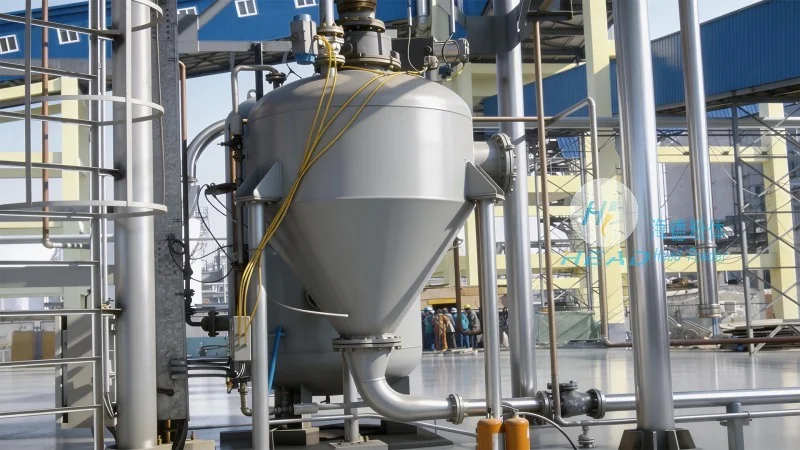
Benefits and Applications
The use of a pneumatic conveying system for calcium hydroxide powder offers several benefits over traditional mechanical conveying methods. One of the primary advantages is the ability to handle the material in a dust-free environment, which improves workplace safety and reduces the risk of respiratory issues for operators. The system also eliminates the need for manual handling, reducing labor costs and improving operational efficiency. Additionally, pneumatic conveying systems can transport calcium hydroxide powder over long distances without the need for intermediate storage or transfer points, which simplifies the overall process and reduces the risk of material degradation. The equipment is also highly versatile, capable of handling various particle sizes and flow rates, making it suitable for a wide range of industrial applications. For example, the system can be used in the production of calcium hydroxide-based products, such as lime, or in the chemical industry for material transfer. The benefits of the system extend to environmental considerations, as it reduces the amount of dust released into the environment compared to traditional methods. Overall, the pneumatic conveying system for calcium hydroxide powder is an efficient and reliable solution for material handling, offering improved safety, efficiency, and environmental performance.




