

Operation Process and Working Principle of Pneumatic Conveying Equipment for Alumina Particle Materi
Shandong HeadPowder Engineering Co., Ltd., a leading manufacturer based in Shandong, China, specializes in the design, development, and supply of advanced pneumatic conveying systems tailored for the handling of alumina particle materials. The company's expertise lies in creating efficient, reliable, and cost-effective solutions that meet the stringent requirements of the alumina industry. This article delves into the operational process and working principles of such equipment, providing a comprehensive understanding of how these systems function to ensure optimal material transport.
Overview of Pneumatic Conveying Systems for Alumina Particles
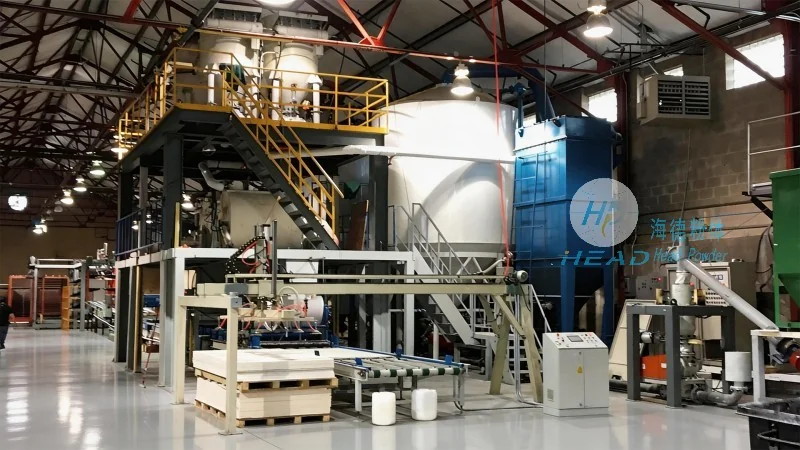
Pneumatic conveying equipment for alumina particles is a critical component in industrial processes where the safe and efficient movement of bulk materials is essential. These systems utilize air or other gases to transport solid particles through a pipeline network. The primary goal is to achieve seamless material transfer from a source point to a destination point, minimizing downtime and operational costs. The design of these systems is tailored to the specific characteristics of alumina, such as particle size, density, and flowability, ensuring that the conveying process is both effective and sustainable.
Key Components of the Pneumatic Conveying Equipment
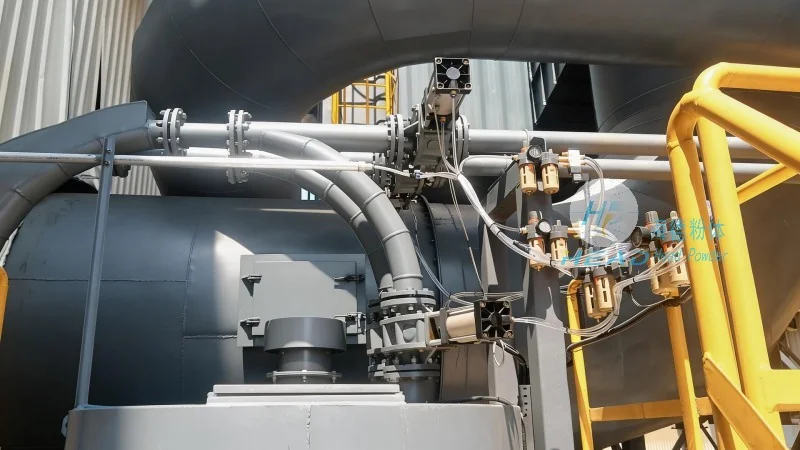
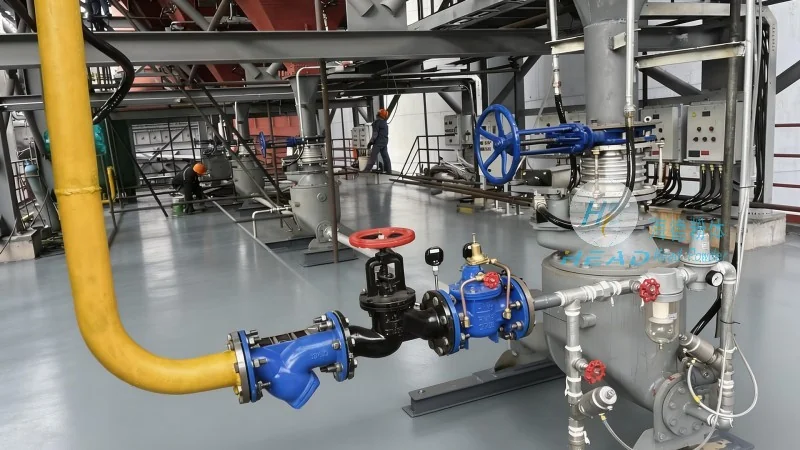
The pneumatic conveying system for alumina particles typically consists of several key components that work in tandem to facilitate material transport. These include the material hopper, which stores the alumina particles; the air compressor or blower, which generates the necessary airflow; the conveying pipeline, which forms the transport path; the control valves and regulators, which manage the air pressure and flow rate; and the discharge unit, which delivers the material to the target location. Each component plays a crucial role in maintaining the efficiency and reliability of the system.
The Operational Process of the Pneumatic Conveying Equipment
The operation of the pneumatic conveying equipment for alumina particles begins with the loading of the material into the hopper. The material is then fed into the conveying pipeline through the use of a feeder or a rotary valve. Simultaneously, the air compressor or blower starts to generate a flow of air, which is introduced into the pipeline at a controlled pressure and velocity. The air flow creates a negative pressure or positive pressure environment, depending on the system design, which pulls or pushes the alumina particles along the pipeline. As the particles travel through the pipeline, they are suspended in the air stream and transported to the discharge point. The control valves and regulators continuously monitor and adjust the air flow to maintain optimal conveying conditions, ensuring that the material is transported at the desired rate without any blockages or inefficiencies.
Working Principle of the Pneumatic Conveying Equipment
The working principle of the pneumatic conveying equipment for alumina particles is based on the principles of fluid dynamics and particle transport. The system operates by creating a flow of air that is sufficient to overcome the gravitational and frictional forces acting on the alumina particles. The air flow is designed to maintain the particles in a suspended state, preventing them from settling or clogging the pipeline. The velocity of the air stream is carefully controlled to ensure that the particles are conveyed at a consistent speed, avoiding excessive wear on the equipment and minimizing the risk of material degradation. The system also incorporates features such as pulse-jet or rotary valve mechanisms to prevent material buildup and ensure smooth operation.
Advantages of Using Pneumatic Conveying Equipment for Alumina Particles
There are several advantages to using pneumatic conveying equipment for alumina particles. Firstly, these systems offer a high degree of flexibility in terms of material handling, as they can transport materials over long distances and through complex layouts. Secondly, they provide a clean and dust-free environment, which is essential for maintaining the quality of the alumina product and ensuring compliance with environmental regulations. Thirdly, the equipment is relatively compact and can be easily integrated into existing industrial processes, reducing the need for extensive modifications. Finally, the operational costs of pneumatic conveying systems are lower compared to other material handling methods, as they require less maintenance and have lower energy consumption.
Applications and Industries Served by the Equipment
The pneumatic conveying equipment for alumina particles is widely used in various industries, including the aluminum production industry, where alumina is a key raw material. The equipment is also used in the chemical and pharmaceutical industries, where the handling of fine powders is required. Additionally, the equipment is used in the food and beverage industry, where the transport of food-grade powders is necessary. The versatility of the system makes it suitable for a wide range of applications, from small-scale operations to large-scale industrial plants.
Conclusion
In conclusion, the pneumatic conveying equipment for alumina particles is a highly efficient and reliable solution for the transport of bulk materials. The operational process and working principles of these systems are designed to ensure optimal performance, minimizing downtime and operational costs. The equipment is a critical component in the alumina industry, and its use is essential for maintaining the quality and efficiency of industrial processes. Shandong HeadPowder Engineering Co., Ltd. continues to innovate and develop advanced pneumatic conveying systems that meet the evolving needs of the industry, providing customers with high-quality, cost-effective solutions for their material handling requirements.