

Operation Process and Working Principle of Cement Dry Ash Powder Pneumatic Conveying Machine
HeadPowder, a leading provider in the field of material handling solutions, specializes in advanced pneumatic conveying systems designed for efficient transport of bulk materials such as cement dry ash powders. This article delves into the operation process and working principle of the cement dry ash powder pneumatic conveying machine, highlighting its technical features and practical applications in industrial settings.
Company Overview and Expertise
Shandong HeadPowder Engineering Co., Ltd., headquartered in Shandong, China, is dedicated to developing innovative engineering solutions for material transport and processing. With years of experience in the industry, HeadPowder has established itself as a trusted partner for businesses seeking reliable and efficient pneumatic conveying equipment. The company's commitment to quality and customer satisfaction is reflected in its state-of-the-art products and comprehensive technical support.
Introduction to Cement Dry Ash Powder Pneumatic Conveying Machine
The cement dry ash powder pneumatic conveying machine is a specialized system engineered to handle the transportation of fine powders like cement dry ash through an air-driven mechanism. This technology offers a dust-free, flexible, and efficient alternative to traditional bulk material handling methods, making it ideal for applications in cement plants, power stations, and other industrial facilities where large volumes of dry powders need to be moved over short to medium distances.
Working Principle of the Pneumatic Conveying System
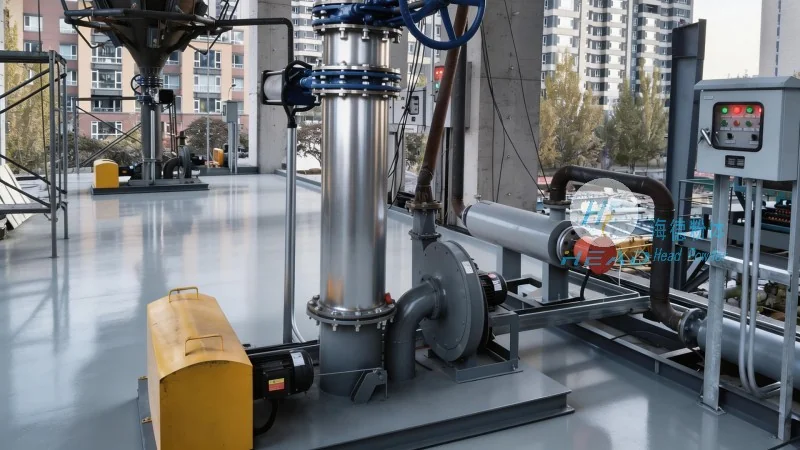
The core of the cement dry ash powder pneumatic conveying machine lies in its air-driven operation, which utilizes compressed air to create a flow that propels the dry ash powder through a pipeline network. The system typically consists of several key components, including a material hopper, a rotary airlock feeder, a conveying line, and a dust collector or receiver. The process begins with the dry ash powder being fed from the hopper into the feeder, where it is metered and introduced into the conveying line under controlled conditions.
Compressed air, supplied by an air compressor, is introduced into the conveying line at a specific pressure and flow rate. The air pressure is maintained at a level sufficient to overcome the resistance in the pipeline and lift the powder particles. As the air and powder mixture travels through the pipeline, with the air providing the necessary force to move the powder particles. The conveying line may include bends, expansions, or other components to guide the material to its destination, such as a storage silo or processing unit. At the receiving end, a rotary airlock or other separation device ensures that the powder is discharged cleanly while preventing air leakage and maintaining system efficiency.
Operation Process: Step-by-Step Breakdown
The operation of the cement dry ash powder pneumatic conveying machine follows a systematic sequence to ensure smooth and continuous material transport. The process starts with the loading of dry ash powder into the hopper, which is equipped with a level indicator to monitor the material volume. Once the hopper is filled, the rotary airlock feeder begins to discharge the powder at a controlled rate, regulated by the system's control panel.
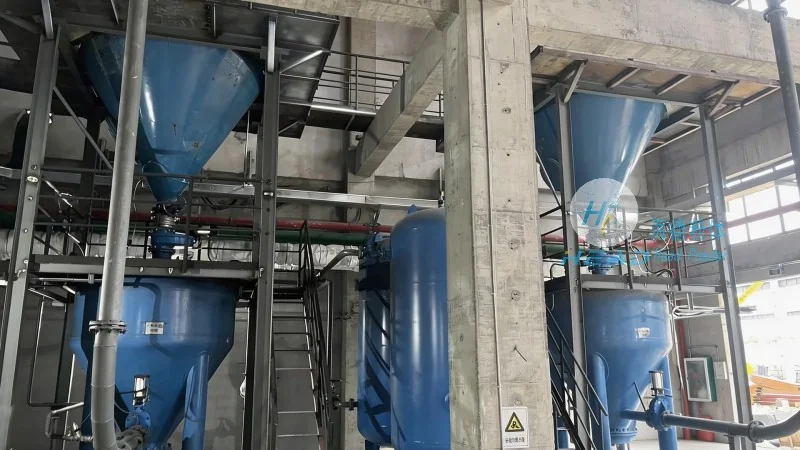
Simultaneously, the air compressor starts to deliver compressed air to the conveying line. The air pressure is maintained at a level sufficient to overcome the resistance in the pipeline and lift the powder particles. As the air and powder mixture moves through the system, the velocity of the air ensures that the powder remains suspended and travels efficiently. The conveying line may include intermediate points where the flow can be monitored or adjusted, such as pressure sensors or flow meters.
Upon reaching the receiving end, the mixture enters a separator or receiver where the air is filtered and discharged, while the dry ash powder is collected in a storage container. The system's control system continuously monitors parameters like pressure, flow rate, and material level to maintain optimal operation. Any deviations are automatically adjusted to prevent system failures or inefficiencies.
Key Technical Features and Advantages
The cement dry ash powder pneumatic conveying machine offers several advantages over traditional handling methods, including dust-free operation, reduced labor costs, and improved safety. Unlike mechanical conveyors, which may generate dust and require frequent maintenance, pneumatic systems operate enclosed, minimizing environmental impact and health risks. Additionally, the flexibility of the system allows for easy reconfiguration of the pipeline layout to accommodate changes in production needs or facility expansions.
Another key feature is the ability to handle a wide range of particle sizes and densities, making it suitable for various applications in the cement and power industries. The system's efficiency is enhanced by the use of high-quality components, such as corrosion-resistant materials for the conveying line and advanced control systems for precise operation. These features contribute to lower energy consumption and longer equipment lifespan, providing long-term cost savings for industrial users.
Applications and Industrial Use Cases
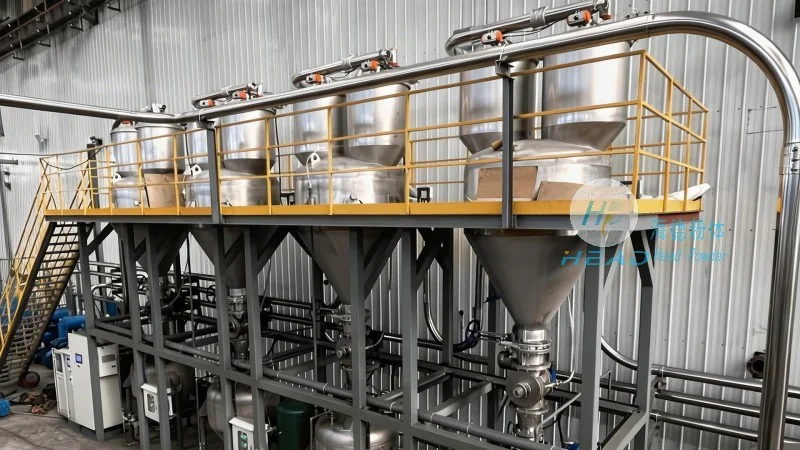
The cement dry ash powder pneumatic conveying machine is widely used in industrial settings where the transport of dry powders is critical. In cement plants, it is employed to move dry ash from storage silos to mixing or processing areas, ensuring consistent material supply for cement production. Similarly, in power stations, the system is used to convey fly ash from boilers to disposal or recycling facilities, optimizing the handling of byproducts.
Other applications include the transport of dry ash in construction material processing plants, where the system helps in moving raw materials to production lines or storage areas. The flexibility and reliability of the pneumatic conveying machine make it a preferred choice for industries requiring consistent and efficient material handling, even in challenging environments such as high temperatures or corrosive conditions.
Maintenance and Operational Considerations
To ensure the longevity and optimal performance of the cement dry ash powder pneumatic conveying machine, regular maintenance is essential. HeadPowder recommends routine checks of key components, including the air compressor, rotary airlock feeder, and conveying line. Filters and air compressors should be inspected and replaced as needed to maintain air quality and prevent dust accumulation.
Additionally, the system's control panel should be monitored regularly to detect any abnormalities in pressure or flow rates. Proper cleaning of the hopper and receiver is crucial to prevent material buildup and ensure smooth operation. By following a preventive maintenance schedule, industrial users can minimize downtime and maximize the efficiency of their pneumatic conveying system.
Conclusion
The cement dry ash powder pneumatic conveying machine represents a sophisticated solution for the efficient and safe transport of bulk dry materials. With its air-driven operation and advanced control systems, the machine offers significant advantages over traditional handling methods, including reduced dust, improved safety, and enhanced operational flexibility. As a leading provider in the industry, Shandong HeadPowder Engineering Co., Ltd. continues to innovate and refine its pneumatic conveying systems to meet the evolving needs of industrial applications, ensuring reliable and efficient material transport for its clients.