

Operation Process and Working Principle of Potassium Carbonate Powder Pneumatic Conveying
Understanding the operation process and working principle of potassium carbonate powder pneumatic conveying is crucial for optimizing material handling in industrial applications. This article provides a detailed overview of the key aspects involved in the efficient transport of potassium carbonate powder using pneumatic conveying technology, highlighting the technical considerations and practical implementation strategies.
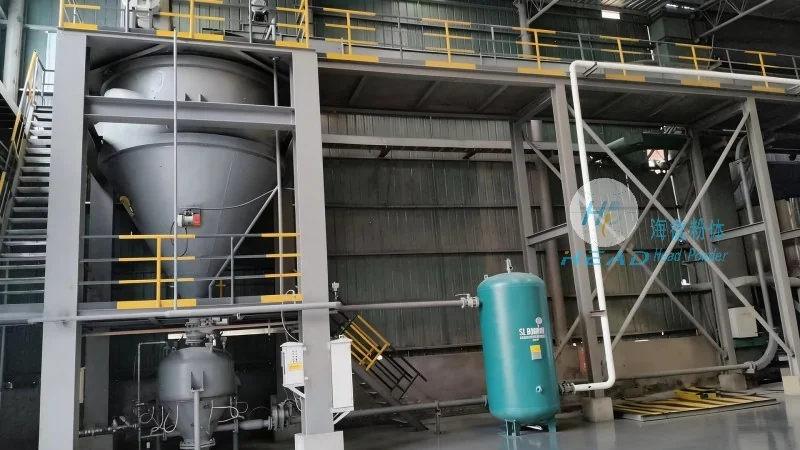
Company Overview: Shandong HeadPowder Engineering Co., Ltd.
HeadPowder, a leading provider in the field of powder handling solutions, specializes in designing and manufacturing advanced pneumatic conveying systems tailored to meet the specific needs of industries dealing with bulk powders. With a strong commitment to innovation and quality, the company has established itself as a trusted partner for clients seeking reliable and efficient material transport solutions. HeadPowder's expertise lies in understanding the unique challenges associated with handling potassium carbonate and other similar powders, enabling the development of customized systems that ensure optimal performance and minimal downtime.
Key Components of Pneumatic Conveying Systems for Potassium Carbonate
The pneumatic conveying system for potassium carbonate powder typically consists of several critical components that work in harmony to achieve efficient material transport. These components include the hopper or feed device, the conveying line (either positive or negative pressure), the air compressor or vacuum pump, and the receiver or discharge equipment. Each component plays a vital role in the overall operation, and proper selection and integration are essential for maintaining system efficiency and preventing material degradation.
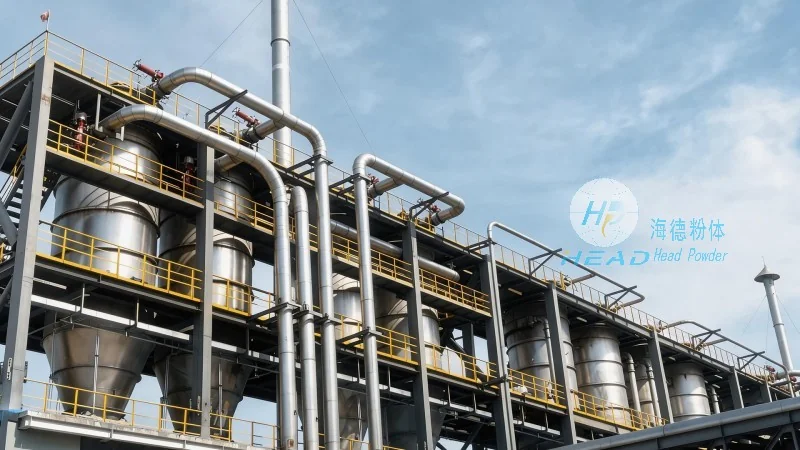
Operation Process of Potassium Carbonate Powder Pneumatic Conveying
The operation process of a potassium carbonate powder pneumatic conveying system involves several sequential steps. Initially, the powder is fed from the storage hopper into the conveying line under controlled conditions. The feed mechanism, such as a rotary valve or screw feeder, ensures a consistent flow rate, preventing blockages and maintaining system stability. Once the powder is introduced into the conveying line, it is propelled by the air flow generated by the compressor or vacuum pump. The air velocity and pressure are carefully regulated to ensure that the powder particles are entrained and transported to the destination point without excessive wear or degradation. The receiving hopper or silo then captures the conveyed powder, completing the transport cycle. Throughout the process, monitoring systems are employed to track pressure, flow rate, and other parameters, allowing for real-time adjustments to optimize performance and ensure consistent material handling.
Working Principle of Pneumatic Conveying for Potassium Carbonate
The working principle of pneumatic conveying for potassium carbonate powder is based on the fundamental concept of using air as a medium to transport solid particles. In positive pressure systems, a blower or compressor generates high-pressure air that forces the powder particles through the conveying line. The air velocity must be sufficient to overcome the gravitational force and the frictional resistance of the powder particles, ensuring that they remain suspended and transported efficiently. In negative pressure systems, a vacuum pump creates a low-pressure environment that draws the powder particles into the conveying line, where they are then carried to the receiver. The choice between positive and negative pressure systems depends on factors such as the distance of transport, the nature of the powder, and the available infrastructure. For potassium carbonate, which is a fine powder with relatively low density, positive pressure systems are often preferred due to their ability to handle longer distances and maintain consistent flow rates.
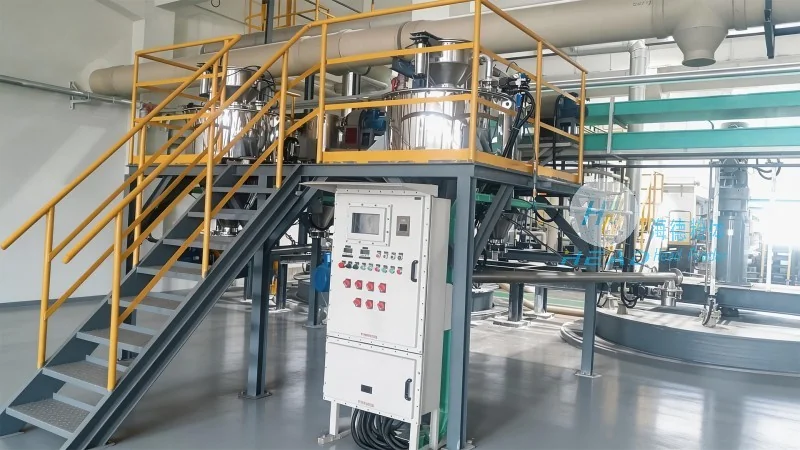
Benefits of Using Pneumatic Conveying for Potassium Carbonate Handling
Implementing pneumatic conveying systems for potassium carbonate powder offers numerous benefits that enhance operational efficiency and product quality. One of the primary advantages is the ability to transport the powder in a closed system, which minimizes dust emissions and protects the material from contamination and moisture. This is particularly important for potassium carbonate, as exposure to air can lead to caking or degradation, affecting its performance in downstream processes. Additionally, pneumatic conveying systems allow for flexible and scalable solutions, enabling companies to adapt to changing production demands without significant capital investment. The automated nature of these systems reduces labor costs and improves safety by minimizing manual handling of powders, which can pose health risks. Furthermore, the consistent flow rates and controlled environment of pneumatic conveying systems contribute to improved product quality and reduced waste, leading to cost savings over time.
Customization and Integration with HeadPowder Solutions
HeadPowder offers customized pneumatic conveying solutions tailored to the specific requirements of potassium carbonate handling applications. The company's engineering team works closely with clients to assess their operational needs, including the volume of material to be transported, the distance of transport, and the desired system performance. Based on this assessment, HeadPowder designs and manufactures systems that incorporate the most appropriate components, such as high-efficiency air compressors, durable conveying lines, and advanced control systems. The company also provides installation and commissioning services, ensuring that the system is properly integrated into the client's existing infrastructure and operates at peak efficiency from day one. HeadPowder's commitment to quality and customer satisfaction is reflected in the reliability and longevity of their systems, which are built to withstand the demands of continuous operation in industrial settings.