

Operation Process and Working Principle of Magnesium Oxide Material Conveying Line
For industrial applications involving magnesium oxide, the efficient and reliable transportation of this material is crucial. The magnesium oxide material conveying line, designed and manufactured by Shandong HeadPowder Engineering Co., Ltd., represents a sophisticated solution tailored to meet the demands of modern processing facilities. This article provides an in-depth look at the operation process and working principle of such a system, highlighting the key components, operational procedures, and the engineering excellence behind its design.
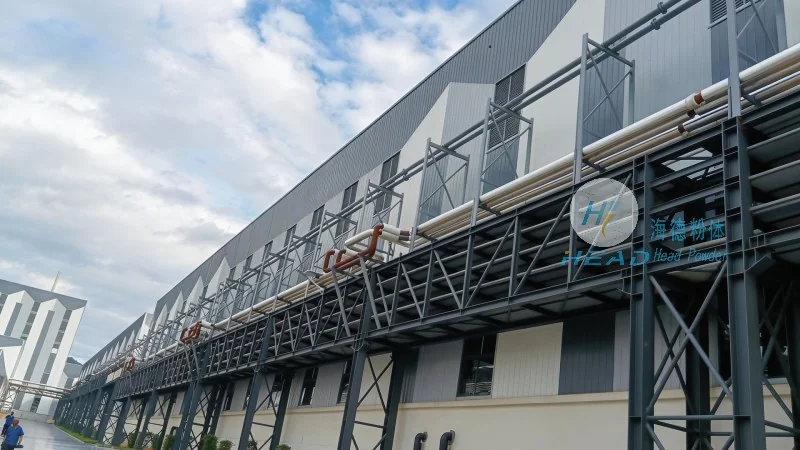
Company Overview: Shandong HeadPowder Engineering Co., Ltd.
HeadPowder, as the company is commonly known, is a leading engineering firm based in Shandong, China. With a strong focus on material handling solutions, the company specializes in the design, manufacturing, and installation of conveyor systems for various industrial sectors. The company's expertise in handling abrasive and high-density materials like magnesium oxide has positioned it as a trusted partner for businesses seeking efficient and durable conveying solutions. HeadPowder's commitment to quality and innovation ensures that their conveying lines are built to withstand the rigorous demands of industrial environments, providing long-term reliability and performance.
Understanding the Magnesium Oxide Material Conveying Line
The magnesium oxide material conveying line is a comprehensive system engineered to transport magnesium oxide from its source to the processing or storage area. This system typically integrates multiple components, each playing a critical role in the overall operation. The design of the conveying line is tailored to the specific characteristics of magnesium oxide, such as its density, particle size, and potential for dust generation, ensuring optimal performance and safety.
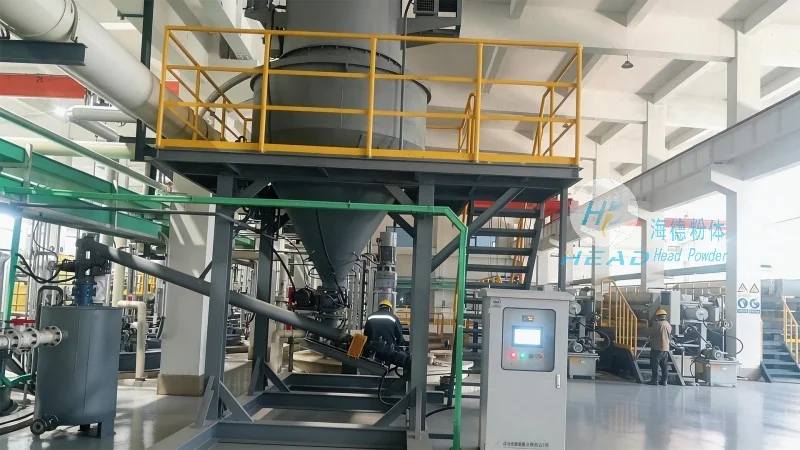
Key Components of the Conveying Line
The conveying line consists of several essential components that work in tandem to facilitate the smooth movement of magnesium oxide. These components include feeders, conveyors (such as belt conveyors or screw conveyors), transfer points, and control systems. Each component is selected based on the material's properties and the operational requirements of the facility. For instance, a belt conveyor may be used for horizontal or slight incline transport, while a screw conveyor is suitable for vertical or compacted material handling. Transfer points are strategically placed to ensure seamless material flow between different sections of the line, minimizing downtime and material loss.
The Working Principle: From Inlet to Outlet
The operation of the magnesium oxide material conveying line follows a systematic process, starting from the material's intake and ending with its discharge. The process begins when magnesium oxide is fed into the system, typically through a hopper or a feeder. The feeder ensures a consistent and controlled flow of material into the conveyor, preventing overloading and ensuring uniform transport. As the material moves along the conveyor, it is propelled by the mechanical action of the conveyor system, which may involve rotating belts, screws, or other moving parts. The conveyor's speed and inclination are carefully calibrated to maintain the material's stability and prevent spillage or blockages.
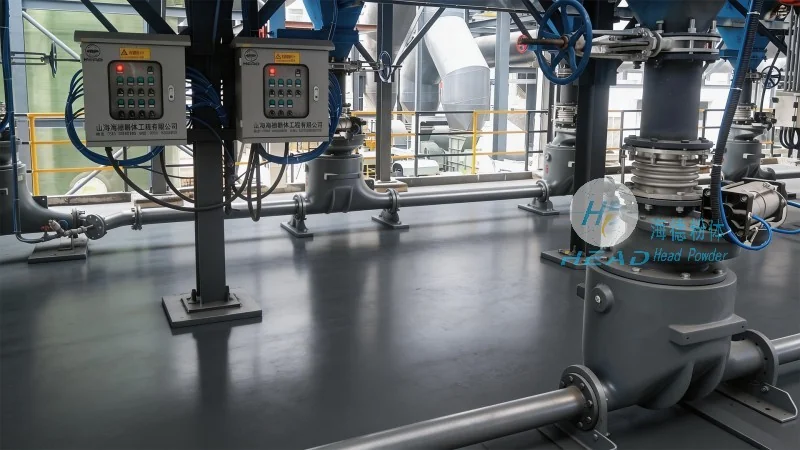
Control and Monitoring Systems
Modern magnesium oxide material conveying lines are equipped with advanced control and monitoring systems that enhance operational efficiency and safety. These systems include sensors, control panels, and automation software that allow operators to monitor the system's performance in real-time. Sensors are used to detect material levels, detect blockages, and monitor the conveyor's speed and load. The control panel provides operators with the ability to adjust the system's parameters, such as conveyor speed or feeder rate, to optimize material flow. Automation software can also be integrated to perform routine tasks, such as starting and stopping the system based on material levels or production schedules, reducing the need for manual intervention and minimizing the risk of human error.
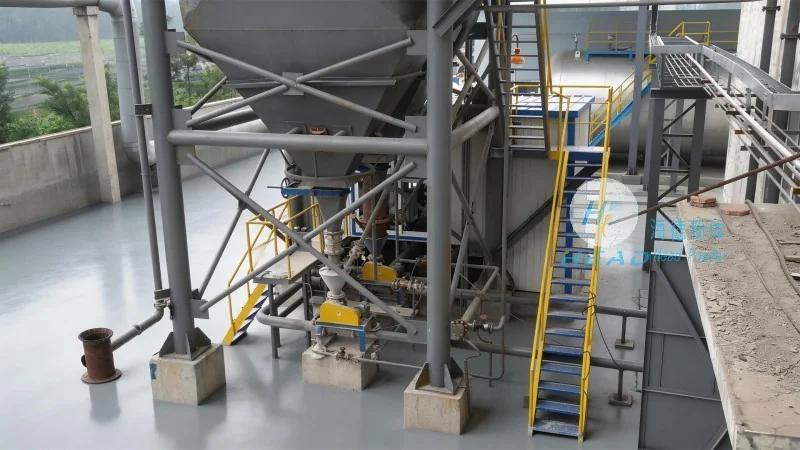
Maintenance and Safety Considerations
Proper maintenance and adherence to safety protocols are essential for the long-term performance and safety of the magnesium oxide material conveying line. Regular maintenance, including cleaning, lubrication, and inspection of components, is crucial to prevent wear and tear and ensure the system operates efficiently. Safety considerations include the use of dust suppression systems to control dust emissions, proper guarding of moving parts to prevent accidents, and regular safety training for operators. By implementing these measures, the conveying line can operate safely and reliably, minimizing the risk of accidents and ensuring the well-being of personnel.
Conclusion
The magnesium oxide material conveying line, developed by Shandong HeadPowder Engineering Co., Ltd., is a sophisticated and reliable system designed to meet the demanding requirements of industrial processing. Through its integrated components, advanced control systems, and adherence to safety standards, the conveying line ensures efficient and safe transportation of magnesium oxide. The company's expertise in material handling solutions, combined with its commitment to quality and innovation, makes it a trusted partner for businesses seeking to enhance their material transport capabilities. As industries continue to rely on efficient processing of magnesium oxide, the conveying line remains a critical component in optimizing production and ensuring operational excellence.