HeadPowder, a leading provider of material handling solutions, specializes in the design and manufacturing of efficient dry stone powder material conveying lines. This article delves into the operation process and working principle of such systems, highlighting their critical role in industries that rely on the reliable transport of fine powders. The following sections provide a detailed overview of how these conveying lines function, from initial setup to continuous operation, ensuring optimal performance and safety.
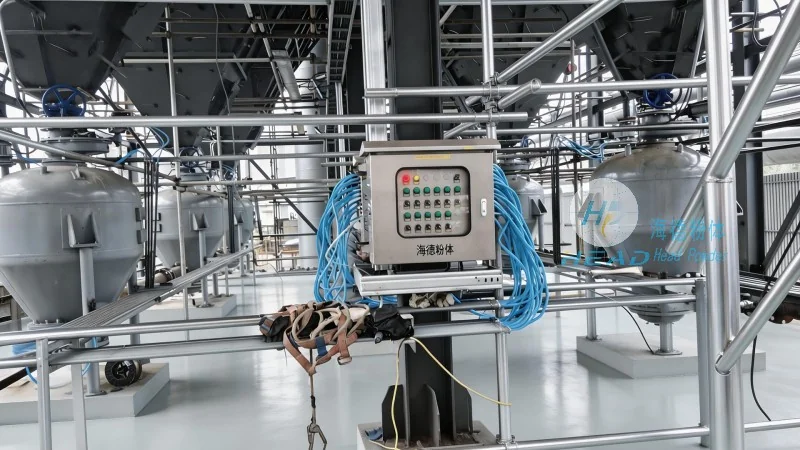
Overview of the Dry Stone Powder Material Conveying Line
A dry stone powder material conveying line is a specialized system engineered to transport dry, fine powders like stone powder, cement, or similar granular materials over short to medium distances. These systems are essential in various industrial applications, including construction, mining, and chemical processing, where consistent and efficient material movement is crucial for productivity. The design of these lines typically incorporates components that handle the unique characteristics of dry powders—such as low bulk density, potential for dust generation, and susceptibility to caking or bridging—ensuring reliable and safe operation.
Working Principle of the Conveying Line
The core working principle of a dry stone powder material conveying line revolves around the transfer of material from a source to a destination through a combination of mechanical and sometimes pneumatic forces. The primary mechanism often involves a rotating screw or auger within a closed or semi-closed tube, which acts as the driving force to move the powder. As the screw rotates, it pushes the material forward, creating a continuous flow. In some advanced systems, pneumatic conveying is used, where compressed air propels the powder through a pipeline, allowing for longer distances and more flexible routing. The choice of mechanism depends on factors like material properties, distance, and environmental considerations.
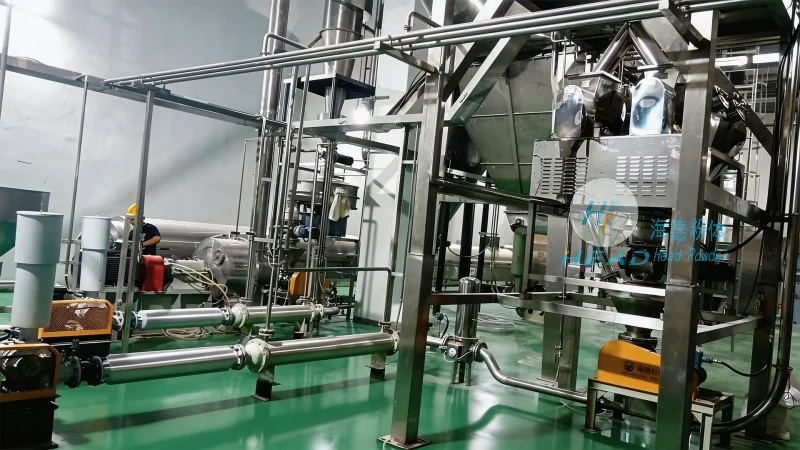
Operation Process of the Conveying Line
The operation process of a dry stone powder material conveying line is systematic and requires adherence to specific steps to ensure safety and efficiency. The process typically begins with the preparation phase, where the system is checked for proper alignment, lubrication, and the absence of obstructions. This includes verifying that the inlet and outlet are clear and that all control valves are in the correct position. Once the system is ready, the start-up procedure is initiated. This involves activating the drive motor, which then powers the screw or air compressor, depending on the system type. The material is then fed into the inlet hopper, and the conveying process begins as the rotating screw or air flow moves the powder through the line.
During continuous operation, the system is monitored for performance indicators such as flow rate, pressure, and temperature. Operators may adjust the feed rate or motor speed to maintain optimal material flow, preventing issues like blockages or uneven distribution. Regular checks are performed to ensure that the conveying line is operating within its designed parameters. The process concludes with a controlled shutdown, where the motor is turned off, and the system is allowed to empty before any maintenance or cleaning is performed.
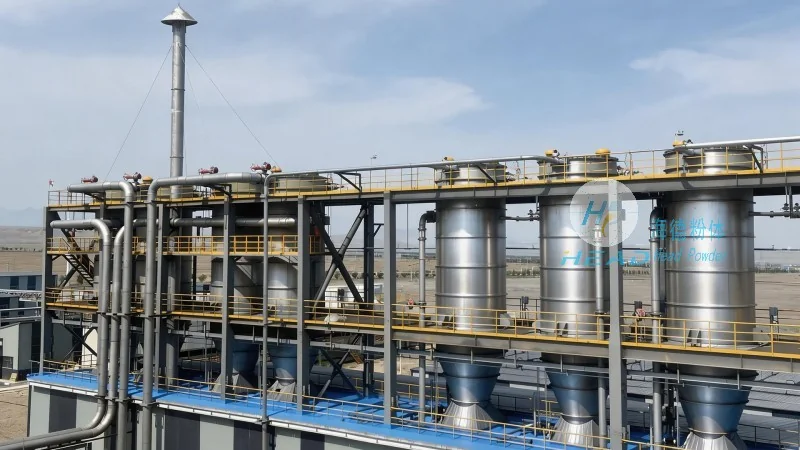
Key Components and Their Functions
The dry stone powder material conveying line consists of several critical components, each playing a vital role in the overall operation. The inlet hopper is the entry point for the material, designed to feed the powder into the conveying mechanism. It often includes a feeder, such as a rotary valve or a screw feeder, to regulate the flow rate and prevent overloading. The conveying mechanism, whether a screw or pneumatic system, is the heart of the line, responsible for moving the material. The drive unit, typically an electric motor, provides the necessary power to rotate the screw or operate the air compressor. The control system, which may include sensors and a control panel, monitors and regulates the operation, ensuring that the system runs smoothly and safely. The outlet hopper or discharge point is where the material is released, often equipped with a valve to control the discharge rate.
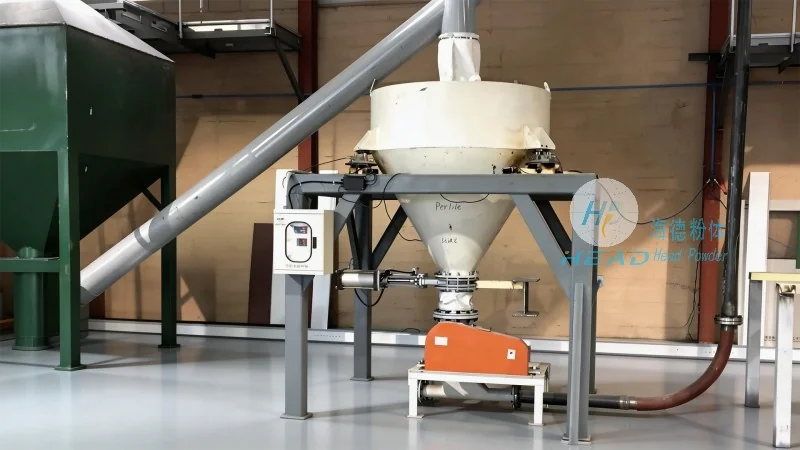
Safety and Maintenance Considerations
Ensuring the safe and reliable operation of a dry stone powder material conveying line requires regular maintenance and adherence to safety protocols. Regular inspections are conducted to check for wear and tear on components such as bearings, seals, and the screw. Lubrication of moving parts is essential to prevent friction and overheating. Cleaning the system, especially the hopper and conveyor tube, is necessary to remove accumulated powder and prevent caking or blockages. Additionally, safety measures like dust suppression systems and proper ventilation are implemented to minimize the risk of dust explosions and ensure a safe working environment. Proper training for operators on the system's operation and emergency procedures is also a critical aspect of maintaining safety.
Application Scenarios
Dry stone powder material conveying lines are widely used in various industrial sectors due to their ability to handle fine powders efficiently. In the construction industry, these systems are used to transport cement, sand, and other dry materials to different parts of a construction site, improving workflow and reducing manual labor. In mining operations, they help transport ore dust or fine particles from processing plants to storage or processing facilities. The chemical industry also benefits from these lines, as they can handle powders like chemicals or fertilizers, ensuring consistent and safe material handling. The flexibility and reliability of these conveying lines make them a preferred choice for industries that require consistent and efficient material transport, contributing to increased productivity and reduced operational costs.




