

Operation Process and Working Principle of Waste Powder Conveying Systems
Waste powder conveying systems are critical infrastructure in industries that handle bulk materials, such as waste management, food processing, and chemical manufacturing. These systems are designed to transport powders, including waste materials, from one location to another with precision and efficiency. The operation of these systems involves a series of steps and components that work together to ensure smooth and reliable material transport. Understanding the operation process and working principles is essential for optimizing performance and maintaining safety in industrial settings.
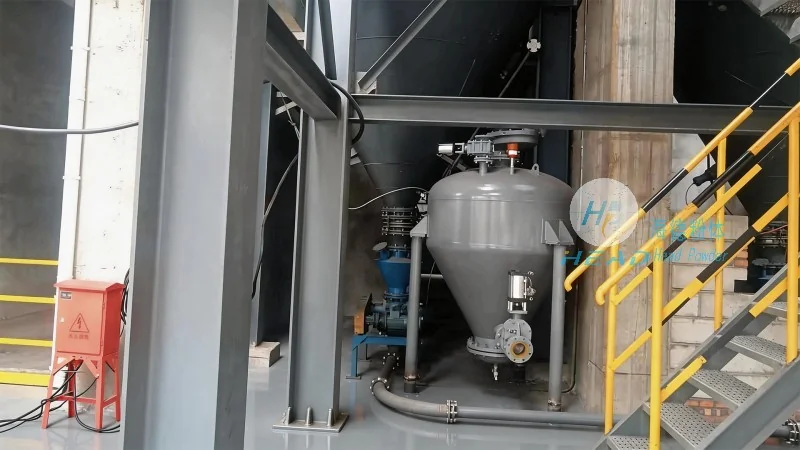
Key Components and Their Functions
The waste powder conveying system comprises several key components, each with a specific role in the overall operation. The primary components include the hopper, conveyor mechanism, control panel, and safety devices. The hopper serves as the storage container for the material, allowing for a steady supply to the conveyor. The conveyor mechanism, which can be a screw conveyor, pneumatic system, or belt conveyor, is responsible for moving the material through the system. The control panel manages the operation of the system, monitoring parameters like flow rate, pressure, and material level. Safety features, such as emergency stop buttons and overload protection, are integrated to prevent accidents and ensure operator safety.
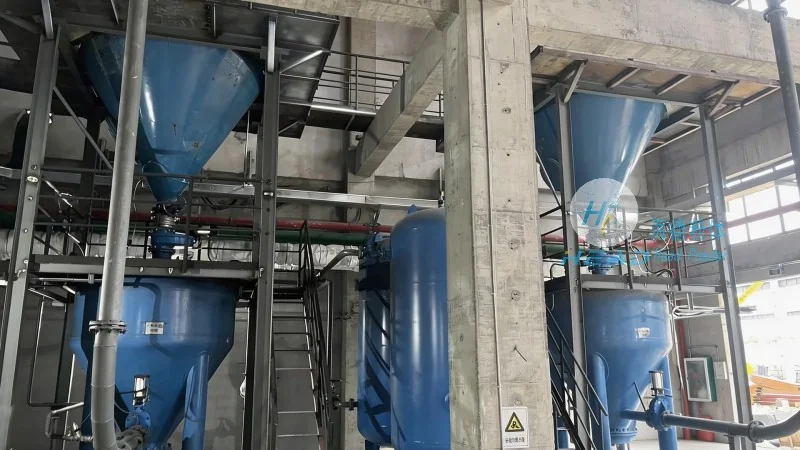
Working Principle: How the System Transports Materials
The working principle of a waste powder conveying system is based on the physical properties of the material and the design of the conveyor. For instance, in a screw conveyor system, the material is fed into the hopper and then enters the rotating screw. The screw's rotation creates a pushing force that moves the powder forward along the conveyor. The speed of the screw determines the flow rate of the material. In pneumatic conveying systems, compressed air is used to create a flow of air that carries the powder particles through a pipeline. The air pressure and velocity are carefully controlled to ensure the material is transported without clogging or loss. The system operates continuously, with the control panel adjusting the parameters to maintain a consistent flow.
Operation Process: Step-by-Step Guide
The operation process of the waste powder conveying system begins with the loading of material into the hopper. The material is typically fed by gravity or a feeder mechanism into the hopper. Once the hopper is filled, the conveyor mechanism starts operating, transporting the material to the discharge point. The control panel monitors the system's performance, adjusting the conveyor speed as needed to match the production requirements. The material is then discharged into a collection container or further processing equipment. Regular maintenance is performed to ensure the system operates efficiently, including cleaning the conveyor, checking for wear and tear, and verifying the functionality of safety features.
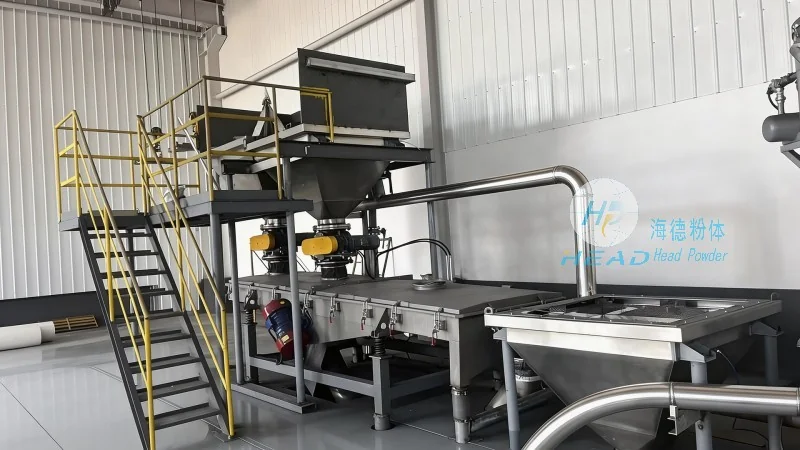
Company Profile: Shandong HeadPowder Engineering Co., Ltd.
HeadPowder, a prominent engineering company based in Shandong, China, specializes in the design, manufacturing, and installation of waste powder conveying systems. The company has a strong reputation for delivering high-quality, reliable solutions tailored to the needs of various industries. HeadPowder's team of experienced engineers and technicians utilizes advanced technology and rigorous quality control processes to ensure that each system meets the highest standards. The company's commitment to innovation and customer satisfaction has made it a trusted partner for businesses seeking efficient material handling solutions. HeadPowder's headquarters in Shandong provides a strategic location for serving clients across the region and beyond, with a focus on providing comprehensive support and after-sales service.