

Operation Process and Working Principle of Grain Powder Conveying Systems
Grain powder conveying systems are critical components in the agricultural and food processing industries, designed to efficiently transport bulk materials such as grains, powders, and other granular substances. These systems ensure smooth and reliable material handling, supporting various applications from storage and processing to distribution. Understanding the operation process and working principle of such systems is essential for optimizing performance, maintaining efficiency, and ensuring safety in industrial operations. As a leading provider of engineering solutions, Shandong HeadPowder Engineering Co., Ltd. specializes in designing and manufacturing high-quality grain powder conveying systems tailored to meet the diverse needs of industries worldwide.
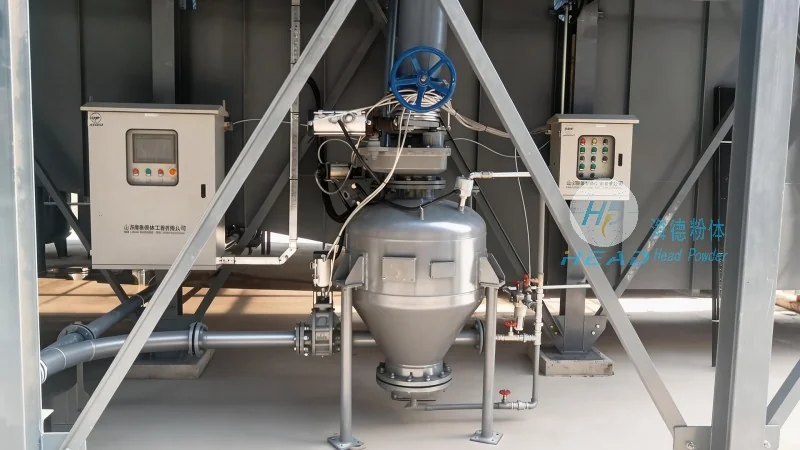
Key Components of Grain Powder Conveying Systems
Grain powder conveying systems typically consist of several key components that work in tandem to facilitate material transport. The primary components include feeders, conveyors, control systems, and auxiliary equipment. Feeders are responsible for uniformly feeding the material into the system, ensuring consistent flow rates. Conveyors, such as screw conveyors, pneumatic conveyors, or bucket elevators, are the core transport mechanisms that move the material through the system. Control systems monitor and regulate the operation, adjusting parameters like speed and pressure to maintain optimal performance. Auxiliary equipment, including filters, separators, and dust collection systems, ensures the system operates cleanly and safely.
The Operation Process of Grain Powder Conveying Systems
The operation process of grain powder conveying systems involves several sequential steps that ensure efficient material handling. First, the material is fed into the system via a feeder, which may be a screw feeder, belt feeder, or other type of feeder designed to handle the specific characteristics of the grain or powder. The feeder ensures a uniform and controlled flow of material into the conveyor. Next, the conveyor transports the material through the system, using mechanical or pneumatic forces to move it from the inlet to the outlet. For example, a screw conveyor uses rotating screws to push the material forward, while a pneumatic conveyor uses air pressure to carry the material in a stream. The material may pass through multiple sections of the conveyor, including vertical lifts, horizontal runs, or inclined sections, depending on the system design. At each stage, the system may include components like hoppers, chutes, or transition sections to guide the material smoothly. The control system continuously monitors the process, adjusting the conveyor speed or pressure to maintain the desired flow rate and prevent blockages or overloading. Finally, the material is discharged from the system at the outlet, ready for further processing or storage.
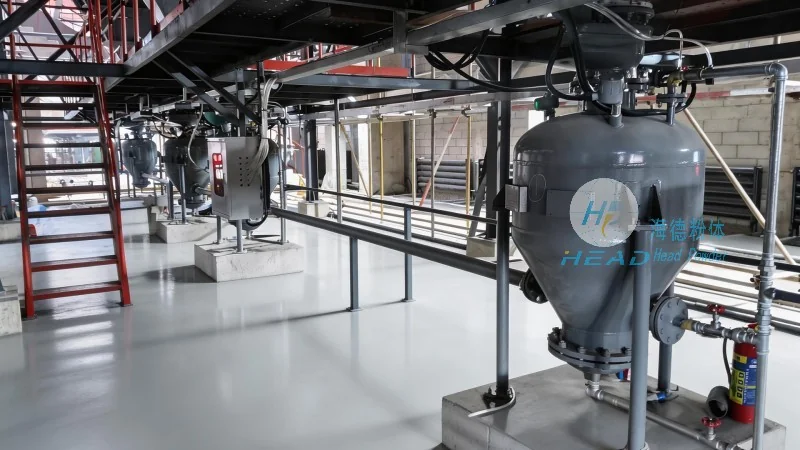
Working Principle of Grain Powder Conveying Systems
The working principle of grain powder conveying systems is based on the application of mechanical or pneumatic forces to move bulk materials. Mechanical conveyors, such as screw conveyors and belt conveyors, rely on mechanical energy to transport the material. In a screw conveyor, a rotating screw (or auger) pushes the material forward, using friction between the screw and the material to move it. The speed of the screw and the pitch of the threads determine the capacity and efficiency of the conveyor. Belt conveyors use a continuous belt that moves the material by friction, with the belt supported by rollers or idlers. The tension and speed of the belt are controlled to maintain consistent material flow. Pneumatic conveyors, on the other hand, use compressed air to transport the material. The material is carried in a stream of air, which is directed through pipes or ducts. The pressure and velocity of the air determine the capacity and distance the material can be transported. The system may include components like airlocks, cyclones, or filters to separate the material from the air and ensure clean operation. The control system regulates the air pressure and flow rate, ensuring the system operates efficiently and safely.
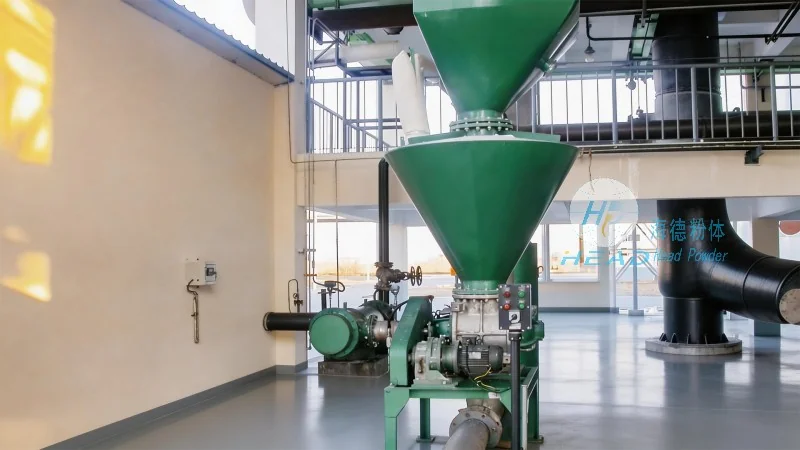
Optimization and Maintenance of Grain Powder Conveying Systems
Optimizing the performance of grain powder conveying systems is crucial for maximizing efficiency and minimizing downtime. Regular maintenance is essential to ensure the system operates smoothly and reliably. Key maintenance tasks include cleaning the conveyor components, checking for wear and tear, and replacing worn parts. The control system should be calibrated regularly to maintain optimal operation. Additionally, monitoring the system's performance parameters, such as flow rate, pressure, and temperature, helps identify potential issues before they become major problems. By implementing proper maintenance and optimization strategies, the system can achieve higher throughput, lower energy consumption, and longer service life.
Applications and Benefits of Grain Powder Conveying Systems
Grain powder conveying systems are widely used in various industries, including agriculture, food processing, pharmaceuticals, and chemical manufacturing. In agriculture, these systems are used for transporting grains from storage facilities to processing plants or for distributing grains to farmers. In food processing, they are used for conveying flour, sugar, and other powders in bakeries and mills. In pharmaceuticals, they are used for transporting raw materials and finished products in manufacturing facilities. The benefits of using grain powder conveying systems include improved efficiency, reduced labor costs, and enhanced safety. These systems can handle large volumes of material with minimal human intervention, reducing the risk of accidents and improving product quality. Additionally, the systems can be customized to meet specific application requirements, ensuring optimal performance for each use case.