

Principles and Working Scene Characteristics of Milk Powder Material Handling Systems
At Shandong HeadPowder Engineering Co., Ltd., we specialize in designing and manufacturing efficient material handling solutions tailored for the dairy industry. This article explores the fundamental principles behind milk powder material handling systems and highlights key working scene characteristics that define their operational effectiveness.
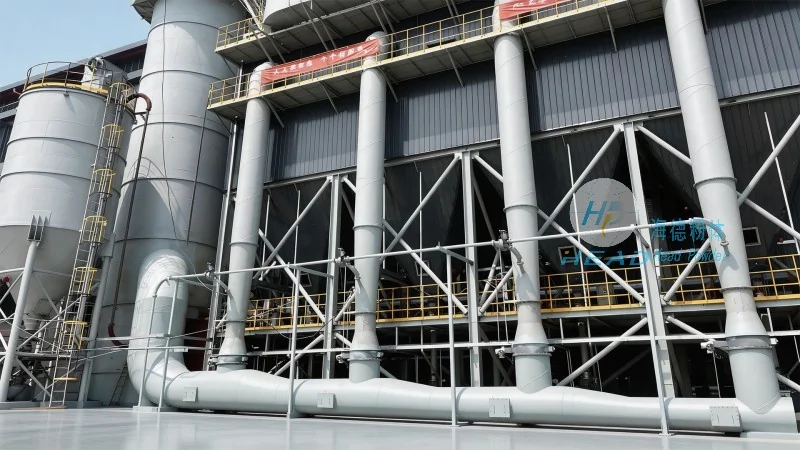
Core Principles of Milk Powder Material Handling Systems
The primary principle of milk powder material handling systems is to ensure safe, hygienic, and efficient transfer of powdered milk products from one stage of production to another. These systems are engineered to maintain product integrity, minimize contamination risks, and optimize workflow in dairy processing facilities. Key components typically include conveyor belts, pneumatic conveying equipment, and automated storage solutions, all working in tandem to streamline material movement.
Working Scene Characteristics: Industrial Applications
In industrial settings, milk powder material handling systems are deployed across various stages of the dairy production process. For instance, in large-scale milk powder manufacturing plants, these systems facilitate the transfer of raw milk powder from storage silos to mixing and packaging lines. The working scene often involves high-volume throughput, requiring robust and reliable equipment capable of handling large quantities of material without compromising quality. Additionally, the systems are designed to integrate seamlessly with existing production lines, ensuring minimal downtime and maximum operational efficiency.
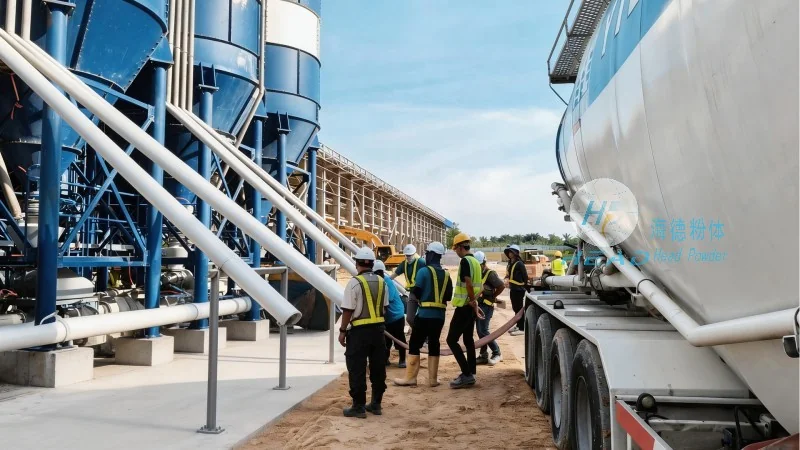
Key Features and Advantages in Operational Scenarios
One of the critical working scene characteristics is the emphasis on hygiene and compliance with food safety standards. Milk powder handling equipment is constructed from materials that are easy to clean and sanitize, such as stainless steel, to prevent bacterial growth and contamination. Another important aspect is the system's adaptability to different production scales, from small-scale dairy farms to large industrial plants. This flexibility allows businesses to scale their operations without replacing the entire material handling infrastructure.
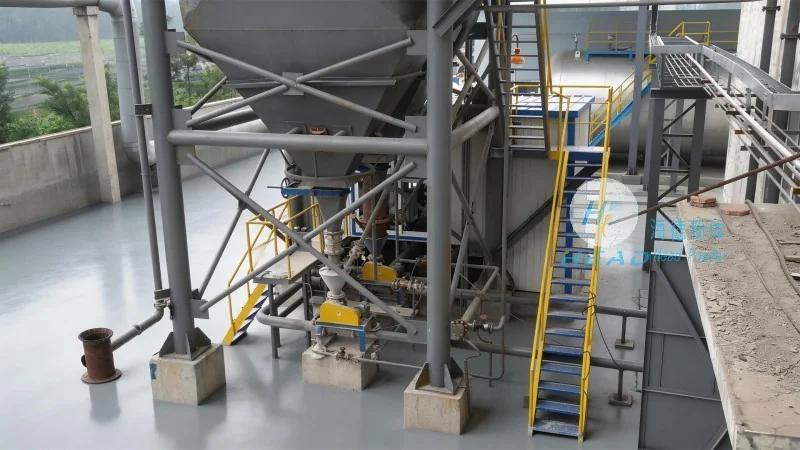
Technical Considerations for Optimal Performance
When designing a milk powder material handling system, several technical factors must be considered to ensure optimal performance. These include the material's bulk density, flowability, and moisture content, as these properties directly impact the system's efficiency. Pneumatic conveying systems, for example, are often preferred for their ability to handle fine powders and maintain a closed environment, reducing dust emissions and improving workplace safety. Furthermore, the system's energy consumption and maintenance requirements are critical factors that influence long-term operational costs.
Conclusion: Enhancing Efficiency in Dairy Production
Shandong HeadPowder Engineering Co., Ltd. understands that effective milk powder material handling systems are essential for maintaining productivity and product quality in the dairy industry. By adhering to the core principles of safety, efficiency, and hygiene, these systems play a vital role in the overall success of dairy processing operations. Whether for small or large-scale applications, our solutions are tailored to meet the specific needs of each client, ensuring reliable and sustainable material handling in every working scene.