

Principle and Working Scene Characteristics of Wine Lees Powder Conveying Lines
Wine lees, a byproduct of winemaking, pose unique handling challenges due to their high moisture content, variable particle size, and tendency to agglomerate. The development of specialized powder conveying lines has addressed these issues, enabling efficient and hygienic transfer of lees from production areas to processing or disposal facilities. This article examines the fundamental principles of such systems and highlights key operational characteristics that define their effectiveness in industrial winemaking settings.
Company Profile and Industry Expertise
HeadPowder, a leading provider in powder handling solutions, is represented by Shandong HeadPowder Engineering Co., Ltd., based in Shandong, China. With a focus on customized systems for the food and beverage sector, the company leverages extensive experience to design, manufacture, and implement conveying lines that meet the rigorous standards of winemaking operations. The company’s expertise lies in tailoring equipment to specific lees characteristics and facility requirements, ensuring optimal performance and compliance with industry regulations.
Core Principles of Wine Lees Powder Conveying Systems
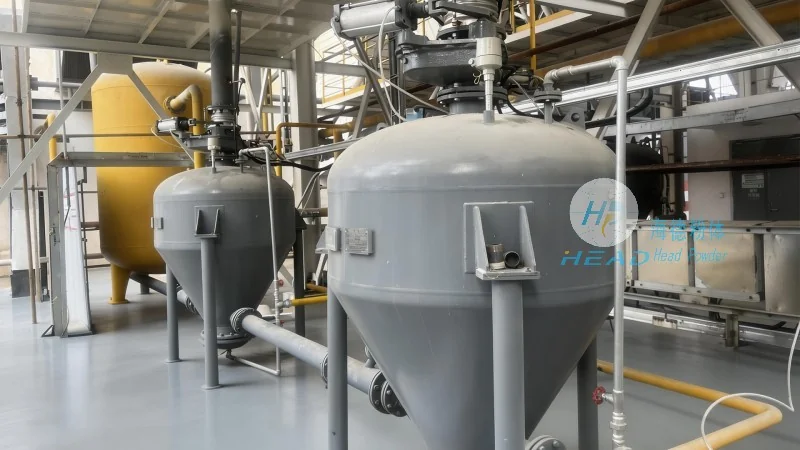
The fundamental principle of wine lees powder conveying lines centers on the use of pneumatic or mechanical transport mechanisms. Pneumatic systems utilize compressed air to move particles through a pipeline, while mechanical systems like screw conveyors or belt conveyors rely on mechanical force. The selection of a system depends on factors such as lees moisture level, particle size distribution, and required conveying distance. Pneumatic conveying often requires pre-drying to enhance flowability and prevent blockages, whereas mechanical systems are favored for short distances or high-volume applications where energy efficiency and low maintenance are priorities.
Key Working Scene Characteristics
The operational characteristics of wine lees powder conveying lines are shaped by the specific demands of wineries and the nature of the lees material. Critical aspects include:
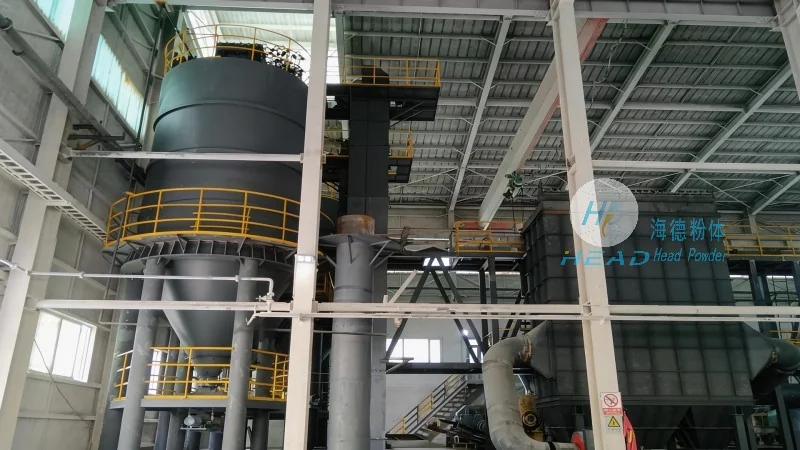
Hygiene and Sanitation Compliance: Given the food processing context, conveying systems must adhere to strict hygiene standards. Materials like stainless steel, food-grade plastics, and smooth surfaces are employed to prevent contamination and simplify cleaning. The design incorporates sealed pipelines and easy-to-access components, ensuring compliance with regulatory frameworks such as FDA and EU food safety guidelines.
Efficiency and Throughput Optimization: Wineries operate at scale, requiring conveying systems with high capacity. Efficiency is determined by factors including conveying speed, pipeline diameter, and transfer point configuration. Advanced control systems enable real-time monitoring of flow rates and pressure, allowing operators to optimize performance and minimize downtime.
Space Flexibility and Modular Design: Modern wineries often have limited space or need adaptable layouts. Conveying lines are designed as modular units, facilitating easy reconfiguration to accommodate production changes or facility expansions. This flexibility is particularly valuable in winemaking, where seasonal variations or market demand fluctuations may require adjustments to processing workflows.
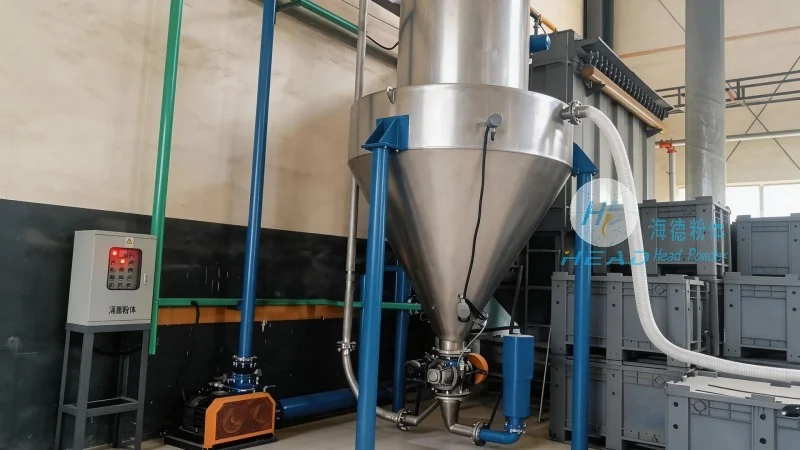
Environmental and Waste Management: Handling wine lees involves environmental considerations, such as odor control and sustainable disposal. Conveying systems are equipped with filtration and odor mitigation mechanisms to minimize environmental impact. Additionally, designs may incorporate recycling or reuse options, aligning with the industry’s shift toward sustainable practices.
Typical Application Scenarios
Wine lees powder conveying lines are utilized across various stages of winemaking and post-processing. Common applications include:
Transfer from Fermentation Tanks to Drying Equipment: After fermentation, lees are moved from tanks to drying units. The conveying line ensures a continuous flow, maintaining drying efficiency and preventing moisture accumulation that could lead to spoilage.
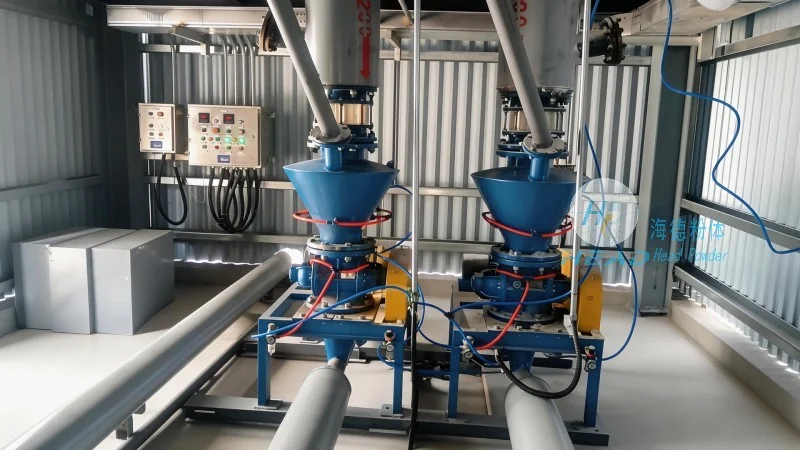
Inter-unit Processing Integration: In large wineries, lees may need to be transferred between processing units, such as from a drying area to a compaction or packaging facility. The system integrates these processes seamlessly, reducing manual labor and enhancing overall operational efficiency.
Transport to Disposal or Recycling: Finally, the line transports lees to disposal or recycling facilities. This stage is vital for environmental compliance and resource management, as lees can be repurposed as organic fertilizer or biofuel feedstock. The system ensures safe, efficient handling, minimizing spill risks and contamination.
Conclusion
Wine lees powder conveying lines represent a sophisticated solution to the challenges of managing a key byproduct in the winemaking industry. By integrating pneumatic or mechanical transport with stringent hygiene and efficiency standards, these systems enable wineries to operate effectively while adhering to regulatory and environmental requirements. HeadPowder, with its expertise in tailored solutions, plays a critical role in providing such systems, supporting the sustainable and efficient operation of winemaking facilities globally.