

Principle and Working Scene Characteristics of Sub-Zinc Oxide Powder Conveying Equipment
Sub-Zinc oxide powder conveying equipment is a specialized system designed to handle the transportation of sub-zinc oxide powder, a critical material in various industrial applications. This equipment plays a vital role in ensuring efficient and safe material transfer, especially in environments where precision and control are paramount. The following sections will delve into the fundamental principles behind this equipment and explore the specific working scene characteristics that define its operational effectiveness.
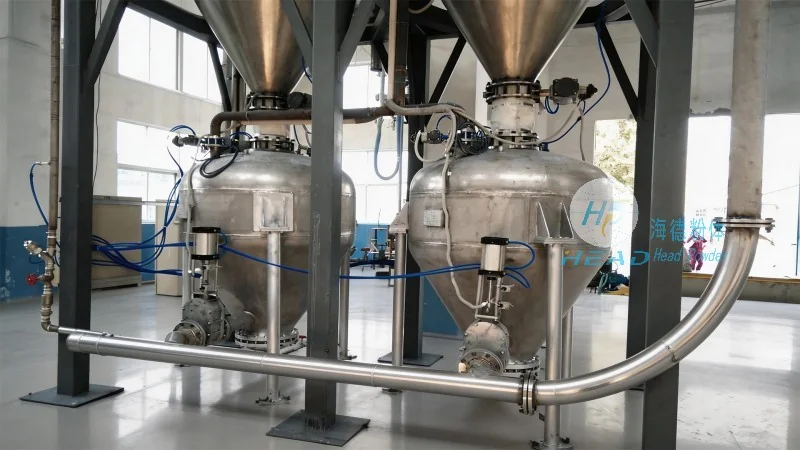
Overview of Sub-Zinc Oxide Powder Conveying Equipment
Sub-zinc oxide powder, often used in industries such as pharmaceuticals, chemicals, and electronics, requires specialized handling due to its fine particle size and potential for dust generation. Conveying equipment for this material must address challenges like dust control, material flow consistency, and equipment durability. The system typically integrates components like feeders, conveyors, and control mechanisms to achieve seamless material movement from source to destination.
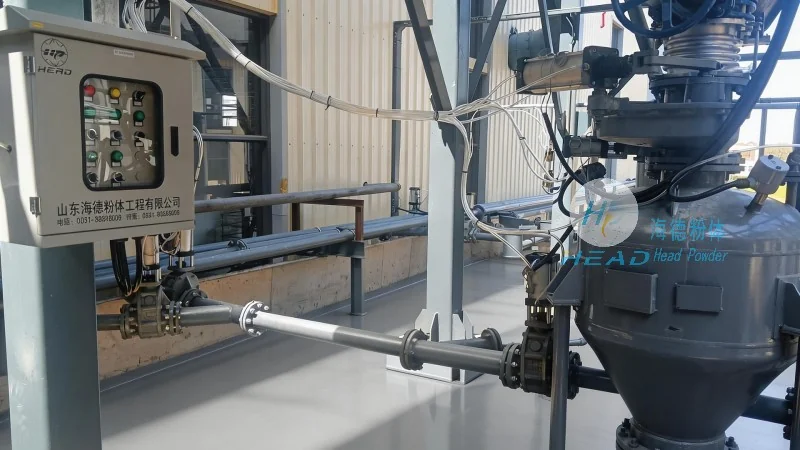
The Working Principle of the Conveying System
The core principle of sub-zinc oxide powder conveying equipment revolves around creating a controlled environment for material transport. The system operates by utilizing either pneumatic or mechanical methods to move the powder. In pneumatic systems, compressed air is used to generate a flow that carries the powder particles through pipelines. This method is particularly effective for fine powders, as it minimizes particle degradation and ensures uniform flow. Specifically, the system may employ either suction or pressure-based pneumatic conveying. Suction systems draw the powder from a hopper or storage tank using a vacuum, while pressure systems push the powder through the pipeline using compressed air. Both methods are designed to maintain a consistent flow rate, which is critical for preventing material buildup or blockages. Mechanical systems, on the other hand, employ screw conveyors, belt conveyors, or bucket elevators to physically move the material. Screw conveyors use a rotating screw to push the powder forward, while belt conveyors utilize a moving belt to transport the material. These systems are often preferred in applications where air quality or material purity is a concern, as they do not introduce external air into the process, thus reducing the risk of contamination.
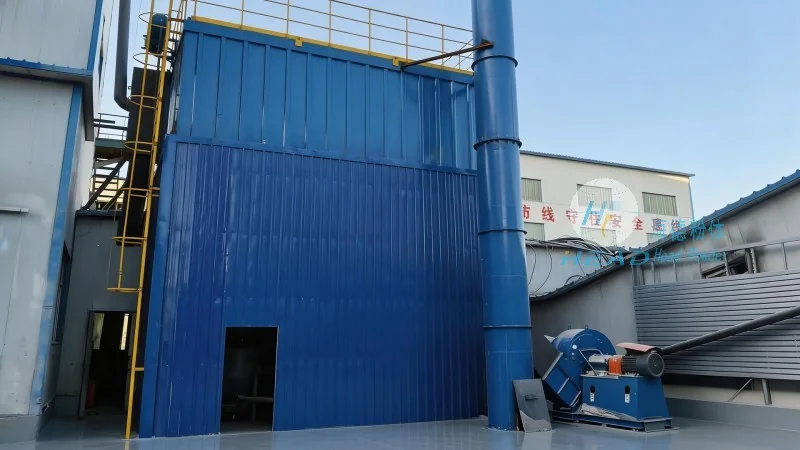
Key Working Scene Characteristics
The operational characteristics of sub-zinc oxide powder conveying equipment are tailored to meet the demands of specific industrial settings. These characteristics include high precision in material flow control, minimal dust emission, and adaptability to varying production rates. In pharmaceutical manufacturing, for instance, the equipment must maintain strict contamination control, ensuring that the powder remains free from external particles or contaminants. The system often incorporates features like enclosed pipelines, filtration systems, and airlocks to prevent cross-contamination. In chemical processing plants, the equipment may need to handle abrasive or corrosive powders, requiring robust construction materials like stainless steel or special coatings to prevent wear and degradation. Additionally, the equipment may be equipped with temperature and humidity control systems to maintain optimal processing conditions. In the electronics industry, where sub-zinc oxide is used as a flame retardant, the conveying system must incorporate anti-static measures to prevent powder accumulation and potential fire hazards. These measures may include grounding components, ionizers, or conductive materials in the conveyor design.
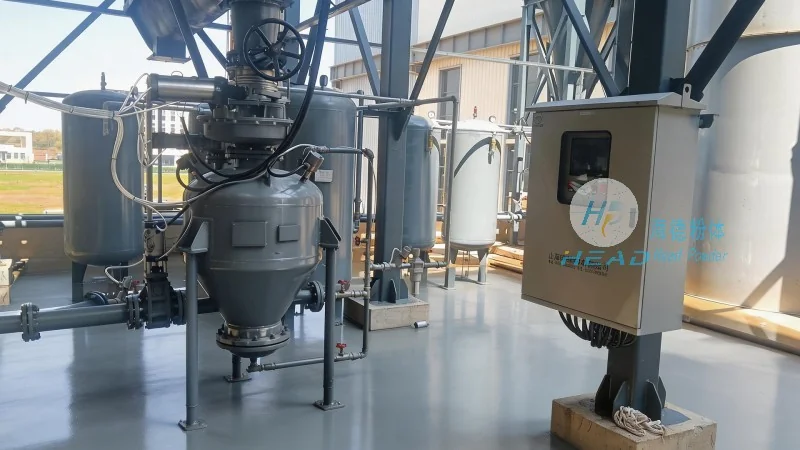
Application Scenarios and Operational Efficiency
The working scene characteristics of sub-zinc oxide powder conveying equipment are directly linked to its application scenarios. In pharmaceutical production lines, the equipment is often integrated into automated processes, where it works in tandem with other machinery to ensure consistent batch production. The system’s ability to maintain a stable flow rate is crucial for maintaining product quality and reducing waste. For example, in the production of zinc oxide-based drugs, the conveying system must deliver the powder at a precise rate to match the mixing and processing requirements of the production line. This precision is achieved through variable speed drives and flow meters that allow for real-time adjustment of the material flow. In chemical manufacturing, the equipment may be used in batch or continuous production modes, depending on the process requirements. The adaptability of the system allows it to handle both small-scale laboratory applications and large-scale industrial operations, making it versatile for various production scales. In large-scale chemical plants, the conveying system may be part of a larger material handling network, integrating with other equipment like storage silos, mixers, and packaging units. The system’s efficiency is measured by factors such as throughput, energy consumption, and maintenance requirements. High-efficiency designs aim to minimize energy use while maximizing material transport capacity, contributing to overall operational cost reduction.